


California Sets AI Rules📷 Published: Apr 12, 2026 at 12:32 UTC
- ★California AI safeguards
- ★State contractors affected
- ★Federal policy pushback
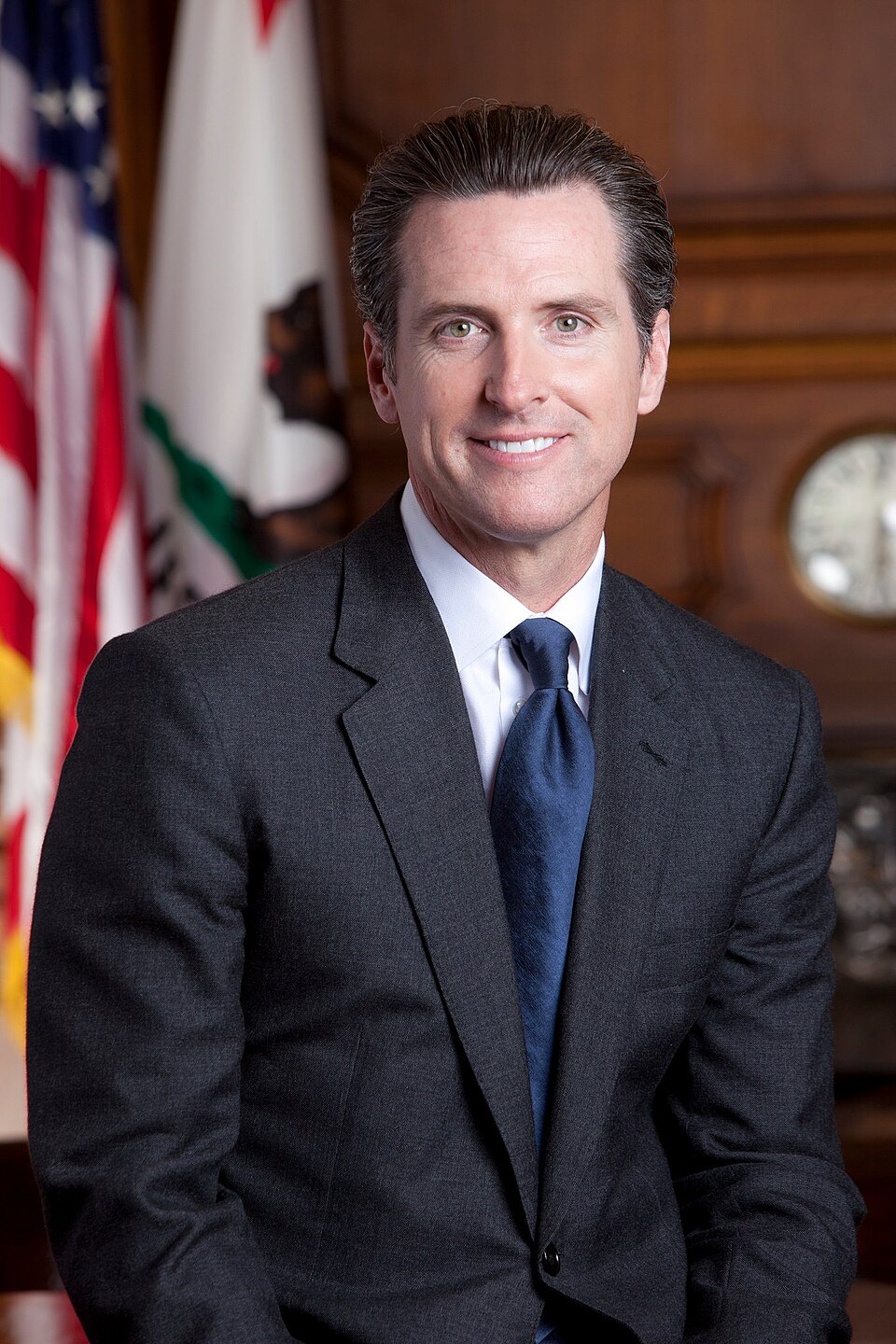
California Governor Gavin Newsom signed an executive order requiring companies with state contracts to implement safeguards against AI misuse. This move pushes back against federal AI policy, establishing California-specific AI rules. The order likely includes specific safeguards, such as bias mitigation and transparency, though exact details are not provided.
The community is responding with mixed views, some supporting stricter oversight and others criticizing regulatory fragmentation. The real signal here is that California is taking a proactive stance on AI regulation, potentially preempting federal regulations.
According to available information, the order may reflect California's broader stance on regulatory autonomy in tech policy, similar to past actions on data privacy. For instance, the California Consumer Privacy Act (CCPA) has set a precedent for state-level regulation. The AI Now Institute has also emphasized the need for more stringent AI regulations.
It appears that the tech industry is watching these developments closely, with some companies already investing in AI safety and ethics research. For example, Google's AI ethics team has published research on AI bias and fairness. However, the scope of contractors affected and the enforcement mechanism for non-compliance remain uncertain.
The Electronic Frontier Foundation (EFF) has expressed concerns about the potential impact of AI regulations on free speech and innovation. In contrast, the AI for Social Good initiative has highlighted the potential benefits of AI regulation in promoting more responsible AI development.
Demo vs. deployment reality📷 Published: Apr 12, 2026 at 12:32 UTC
Demo vs. deployment reality
The real bottleneck may not be where the marketing points, but rather in the deployment and implementation of these AI safeguards. The industry map is shifting, with some companies gaining a competitive advantage by investing in AI safety and ethics research. Others, however, may be under pressure to comply with the new regulations, potentially affecting their bottom line.
In other words, the actual story is not just about California setting its own AI rules, but about the broader implications for the tech industry and society as a whole. The National Conference of State Legislatures has noted that other states may follow California's lead, potentially leading to a patchwork of AI regulations across the country.
The developer community is reacting with interest, with some developers highlighting the need for more transparent and explainable AI systems. For instance, the Explainable AI (XAI) initiative has focused on developing more transparent AI systems. Others, however, have expressed concerns about the potential impact of AI regulations on innovation and free speech.
That's just another way of saying that the real challenge lies not in creating AI regulations, but in ensuring that they are effective and balanced. The AI Alignment Forum has emphasized the need for more research on AI alignment and safety. As the industry continues to evolve, it will be crucial to monitor the impact of these regulations and adjust course accordingly.