
Medicine News
129 articles

Antibiotics disrupt gut microbiomes long-term in large study
A Swedish study of 14,979 people tracked antibiotic prescriptions against gut metagenomes from 2018 to 2026.
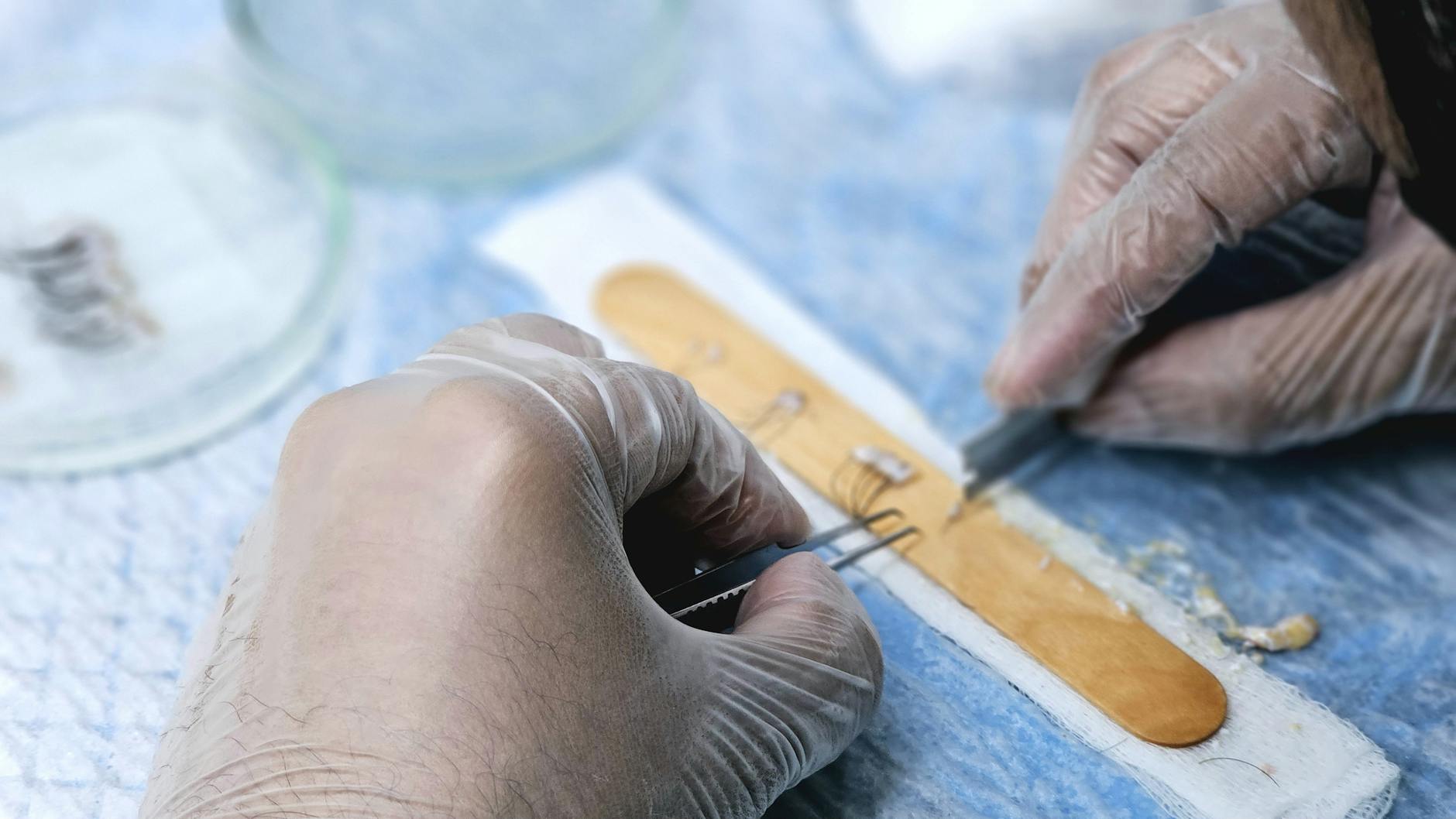
Fecal transplant cuts deadly C. difficile inflammation in hours
A University of Minnesota study shows fecal microbiota transplantation can reverse life-threatening inflammation in fulminant *C. difficile* within hours, slashing mortality risks.

MK7602: A dual-action antimalarial shows early promise in human trials
A first-in-class antimalarial drug candidate, MK7602, has demonstrated human tolerance in early clinical studies, though its efficacy remains unproven.
T Cells Target Cancer
Researchers engineered T cells to enhance their efficiency and precision in targeting and killing prostate cancer cells, with a specific focus on modifying T cell receptors to improve durability.
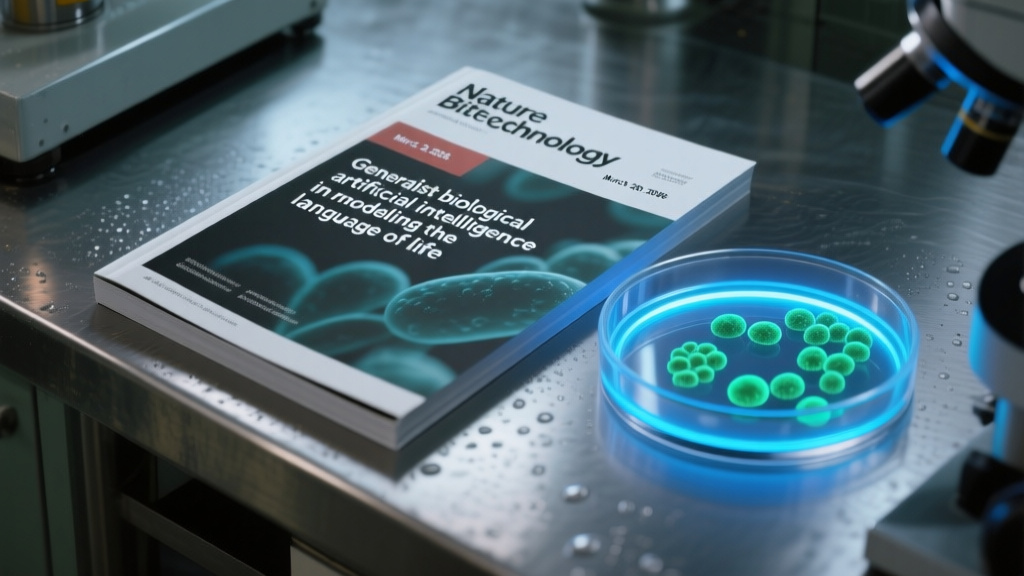
Biological AI’s promise: One model to rule all life sciences
A *Nature Biotechnology* review published this March outlines the first coherent vision for AI that could unify genomics, protein folding, and synthetic biology under one model.
Rare HIV Controllers Offer a Clue, Not a New Standard of Care
Rare patients who continue to suppress HIV after treatment offer an important clue, but they do not yet offer a new care standard.
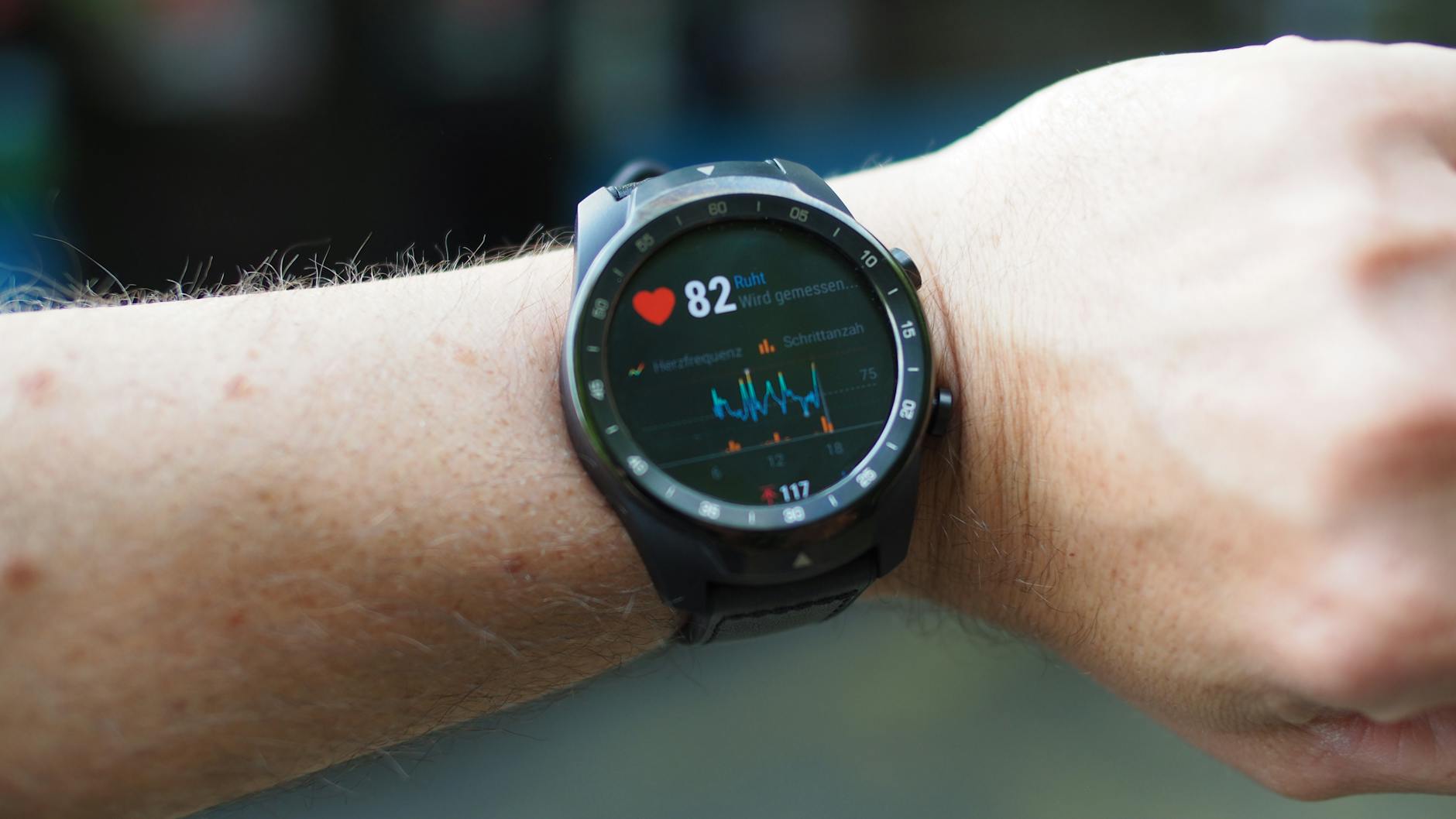
Smartwatch Predicts Heart Failure
A recent study published in Nature Medicine has found that a deep learning model using smartwatch data can predict peak oxygen uptake and unplanned healthcare events in patients with heart failure.
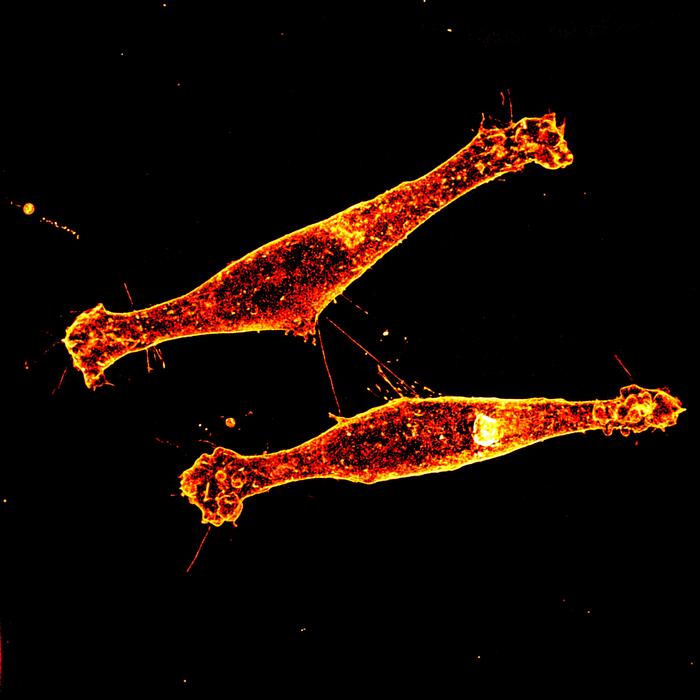
Nanotube Blockade May Slow Huntington’s Spread
A study in *GEN News* identifies tunneling nanotubes as a key pathway for mutant huntingtin protein transfer in brain cells.
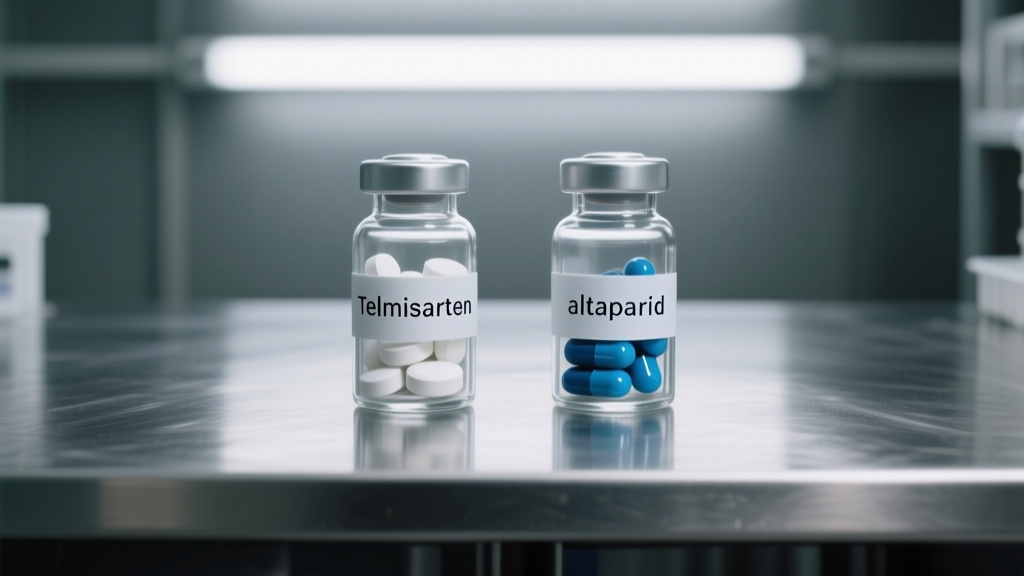
Telmisartan Boosts Cancer Treatment
Telmisartan, an FDA-approved blood pressure drug, has been found to enhance the cancer-killing activity of olaparib, according to a study led by Tyler J. Curiel, MD, MPH, FACP.
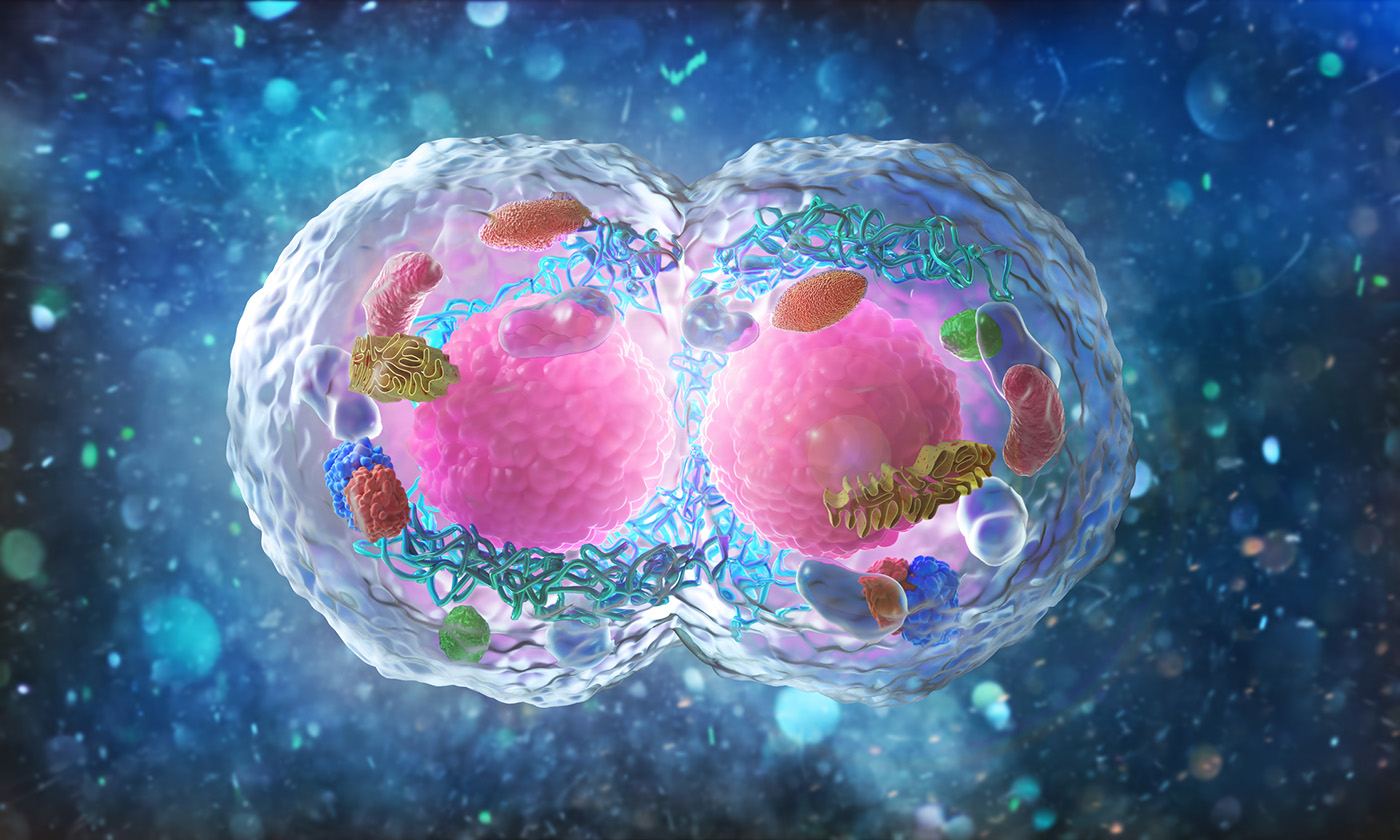
Xaira Unveils X-Cell
Xaira's X-Cell model is the largest virtual cell model to-date, with 1 million parameters, according to the company's press release.
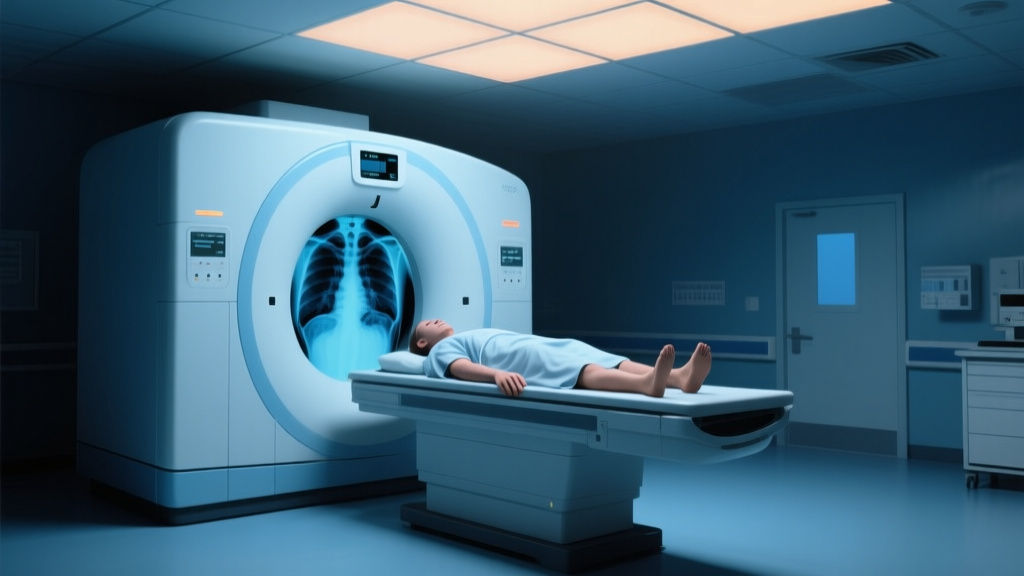
AI Fails to Speed Lung Cancer Diagnosis
The LungIMPACT trial involved over 15,000 participants and found no significant reduction in time to diagnosis with AI-based prioritization.
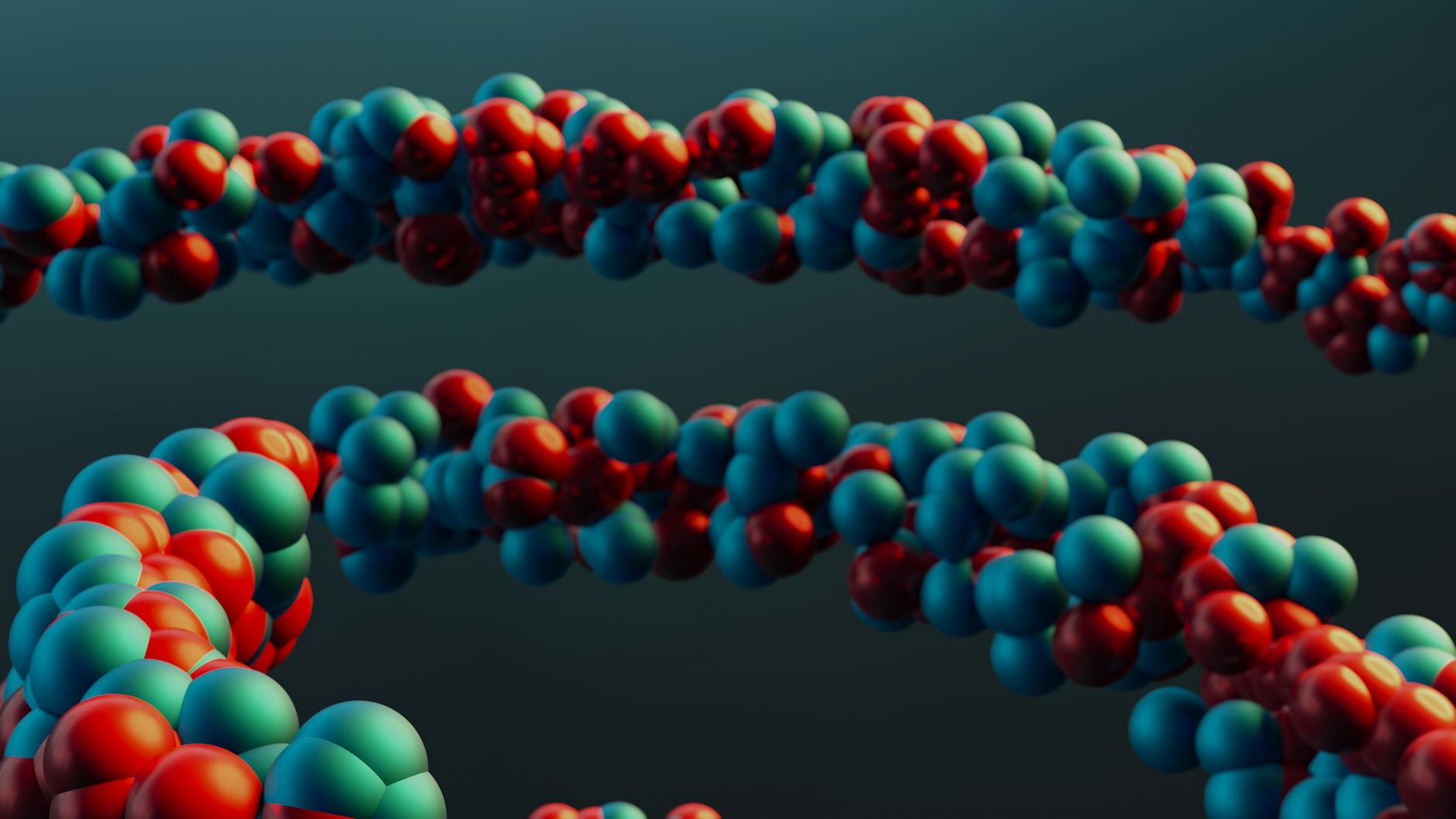
A Faster Path to Covalent Protein Therapies—With Limits
IB101’s defined binding pocket marks a structural advance, but the compound has yet to enter preclinical testing.
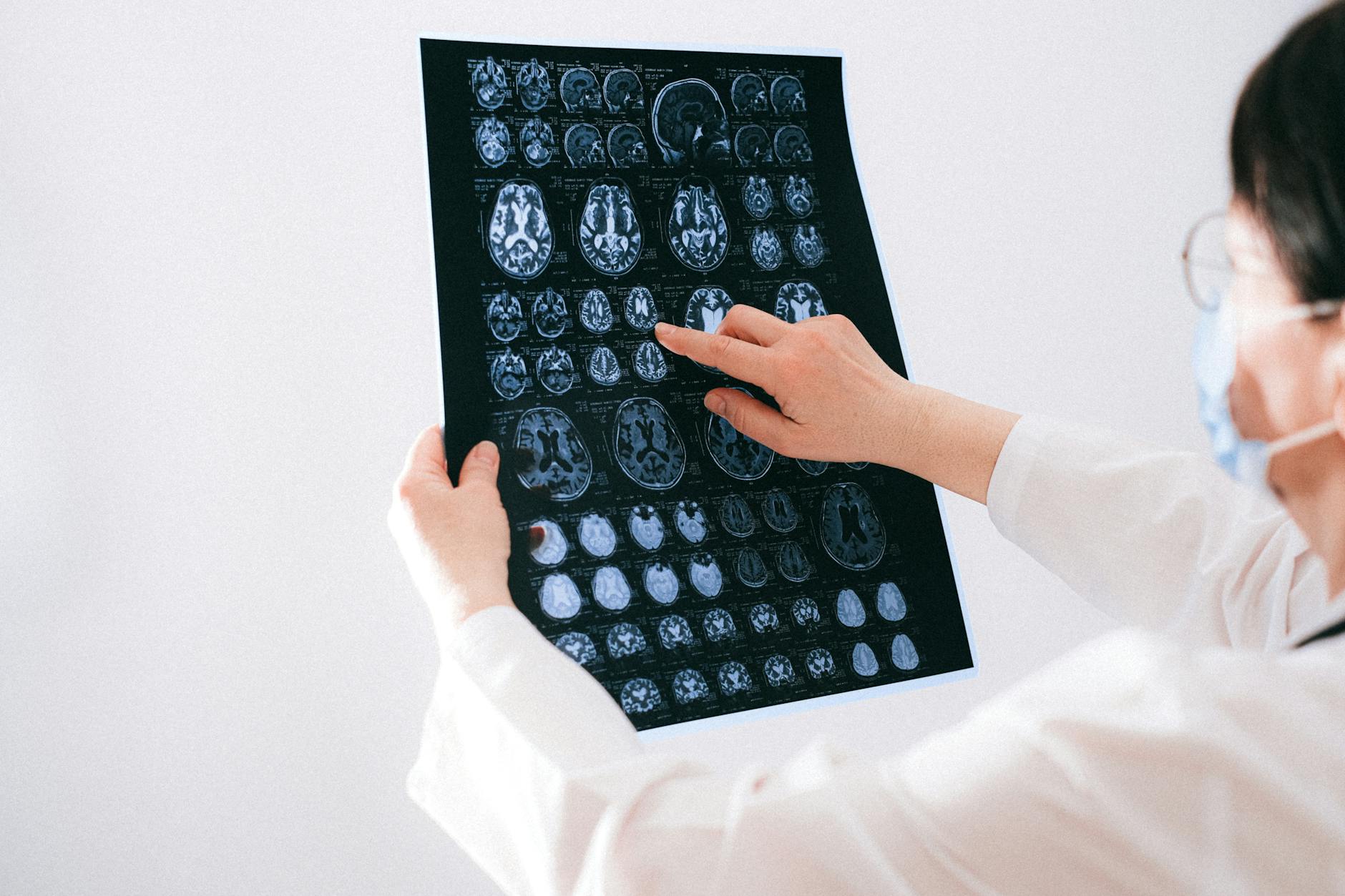
Parkinson’s trial shows promise—but not a cure
BIIB094’s phase 1 trial marks the first time an antisense oligonucleotide has successfully targeted LRRK2 in Parkinson’s patients.
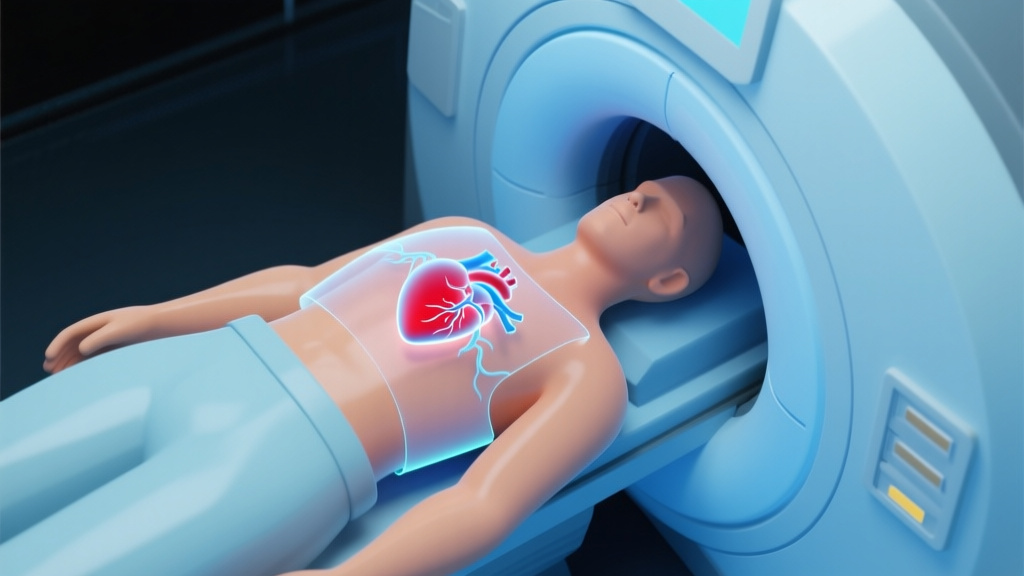
A 3-minute MRI could redefine heart failure diagnostics
Current heart failure diagnostics rely on invasive catheters or radiation—yet a Oxford-led team just mapped cardiac oxygen use in three minutes using standard MRI machines.
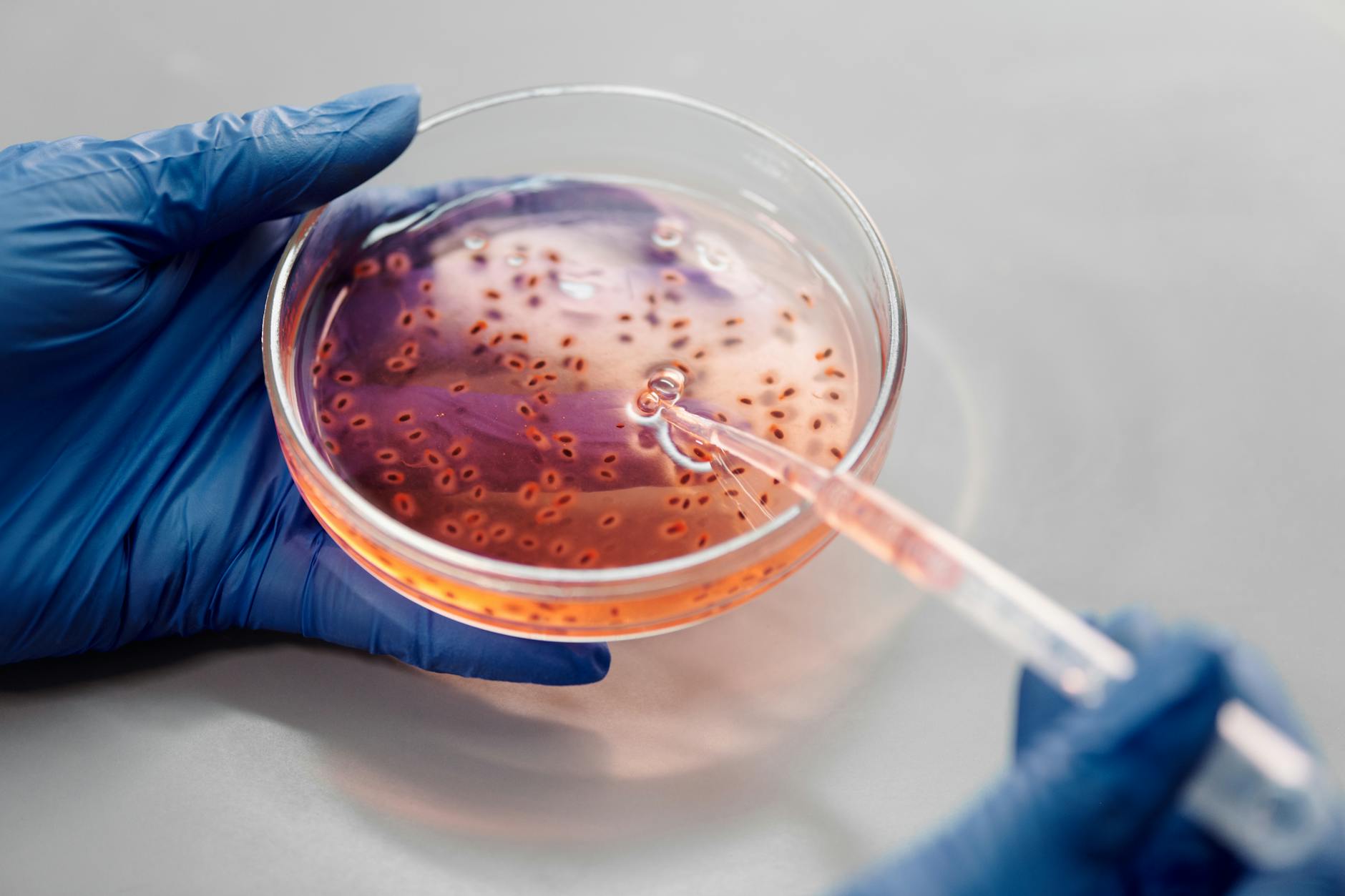
Lab-grown retinas reveal how cones fight degeneration—with limits
Twenty thousand lab-grown human retinas—each a cluster of cells no wider than a sesame seed—just rewrote a key chapter in how cone photoreceptors resist degeneration.
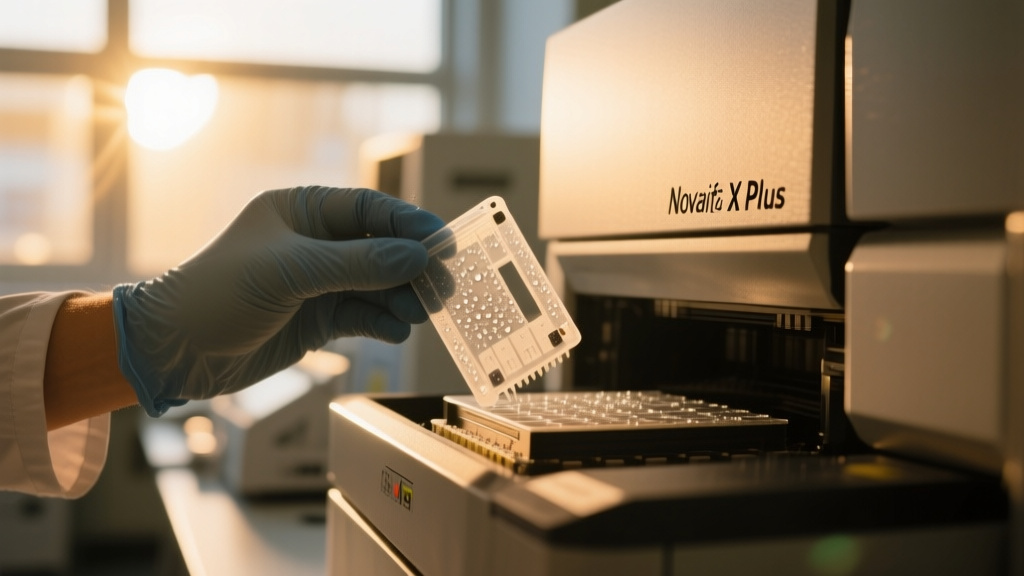
Whole-genome sequencing delivers diagnoses—with limits
Sweden’s Karolinska University Hospital has sequenced over 15,000 genomes for rare diseases, diagnosing 23%—a figure that underscores both progress and persistent gaps.
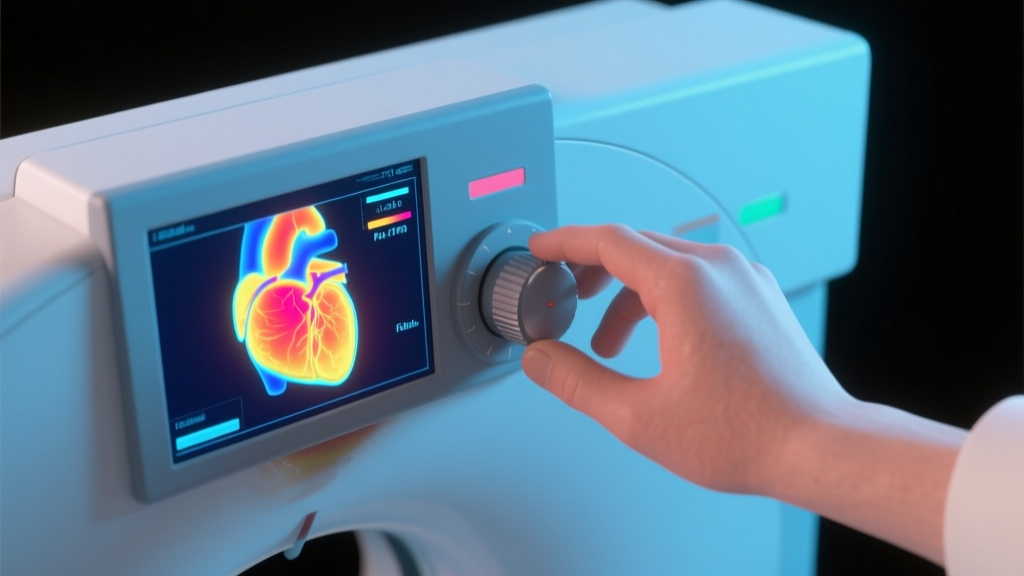
AI heart fat scans: A sharper risk predictor—with limits
Pericardial fat—long a suspected culprit in heart disease—now has an AI-powered measurement tool that outperforms traditional risk models by up to 20%.

Down Syndrome Study
Scientists at the Icahn School of Medicine at Mount Sinai have made a significant discovery about the biological processes that contribute to the development of Down syndrome.

Pediatric epilepsy treatment shows promise—with clear limits
Researchers documented zero major complications in pediatric patients undergoing SEEG-guided thermocoagulation—a rare bright spot in drug-resistant epilepsy treatment.

Pediatric HCM trial: A drug’s cautious step forward
A 16-week trial across 13 countries just gave pediatric cardiologists their first phase 3 data on mavacamten for obstructive HCM in youth.
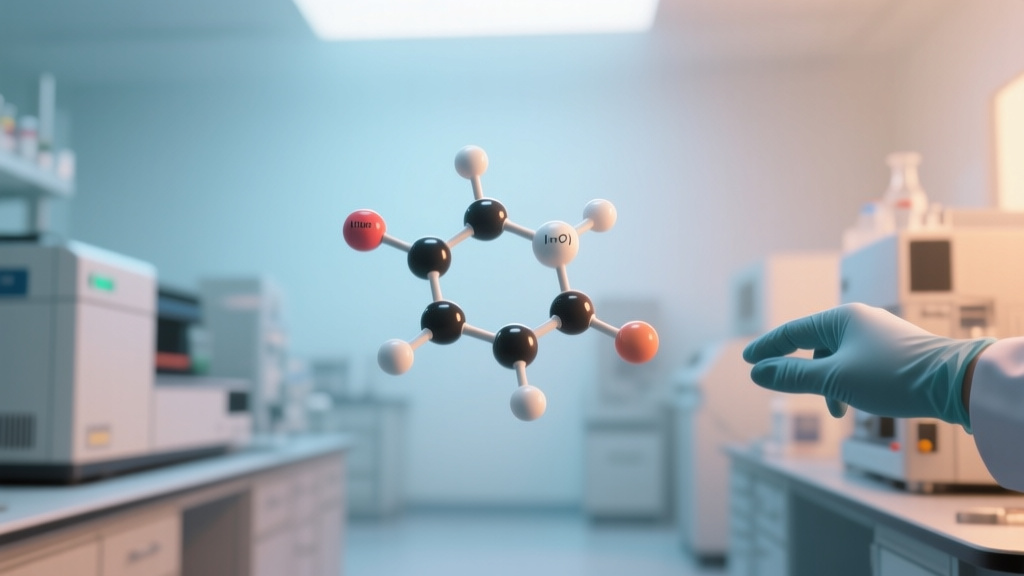
Eli Lilly’s $2.75B AI Bet: What the Deal Actually Means
Insilico Medicine’s AI platform has never produced an FDA-approved drug—but Eli Lilly just wagered up to $2.75 billion on its potential.
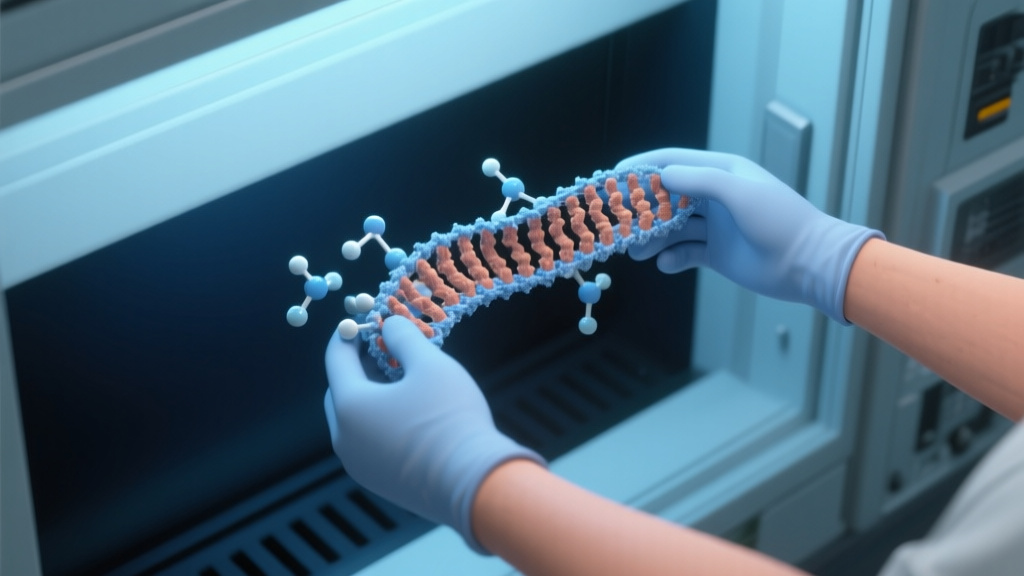
PCOS Name Change
STAT News reports that a quiet effort to rename PCOS is nearing completion, with growing evidence of a male version of the condition.
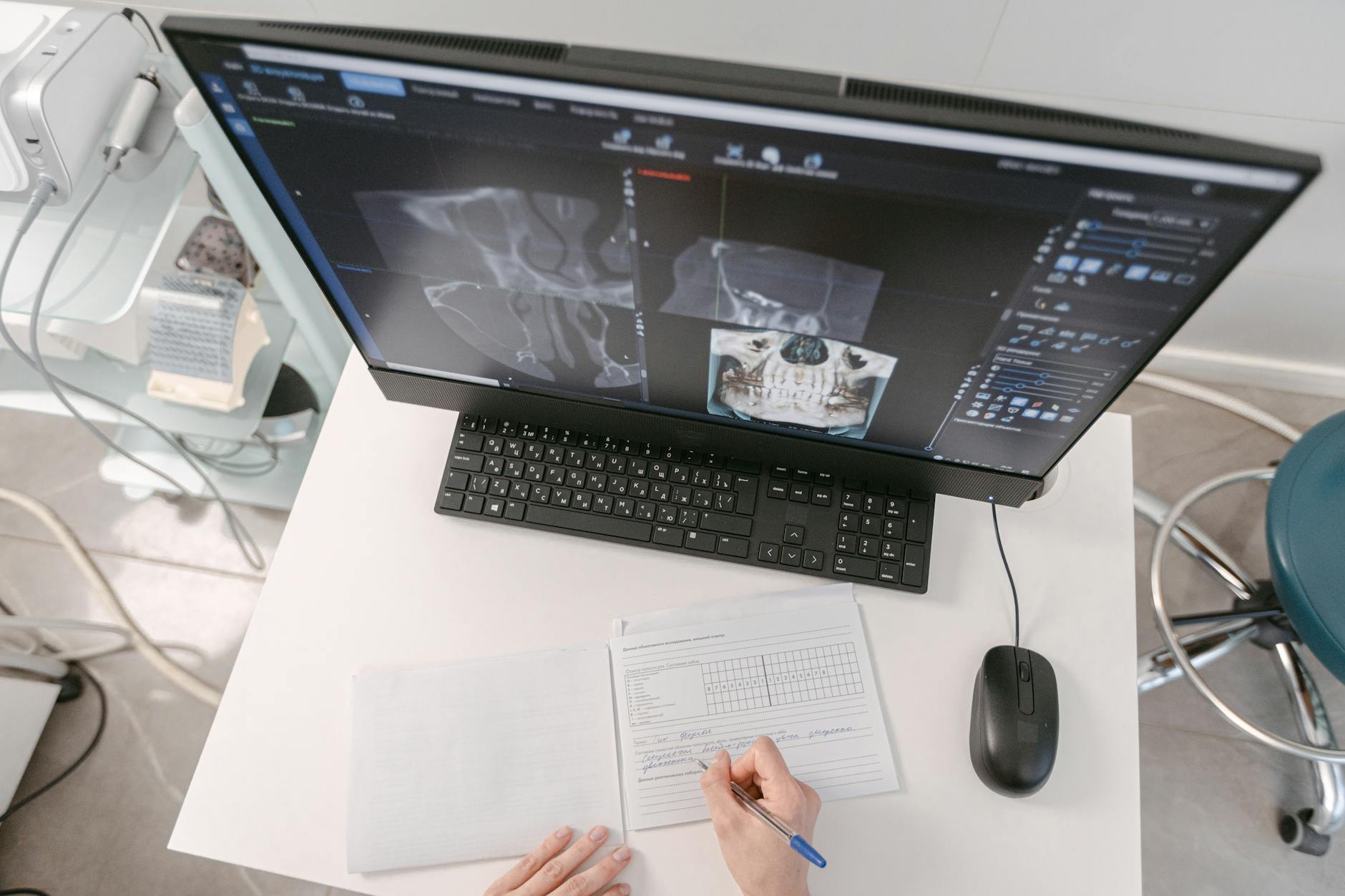
Infectious Disease Data
Nature Medicine published a study on making infectious disease data local and accessible, with a DOI of 10.1038/s41591-026-04328-3.

Inflammation’s Epigenetic Scars May Linger, Raising Colon Cancer Risk
New research in *Genetic Engineering & Biotechnology News* reveals how epigenetic alterations from gut inflammation endure long after healing, potentially setting the stage for colon cancer.

Brain aging’s genetic map: AI hype vs. Alzheimer’s reality
The hippocampus and entorhinal cortex—Alzheimer’s favorite targets—now have genetic aging blueprints, thanks to deep learning crunching GWAS data.

$100M federal bet on joint regeneration—what the trials can (and can’t) prove
ARPA-H’s $100 million joint-repair initiative funds three unnamed teams—only Duke confirmed—to test unproven regenerative therapies in human trials.

RNA Sequencing Unifies
Researchers have made a significant breakthrough in RNA sequencing, with a new study published in Nature Biotechnology

CareCloud breach exposes millions—but key questions remain
A single compromised repository at CareCloud now forces 45,000+ providers to confront the same question: what patient data might be in the wrong hands?

Blood Cancer Data Unites
The ASH HematOmics Program has been developed by a team of scientists from St. Jude Children's Research Hospital, the American Society for Hematology, and the Munich Leukemia Laboratory.
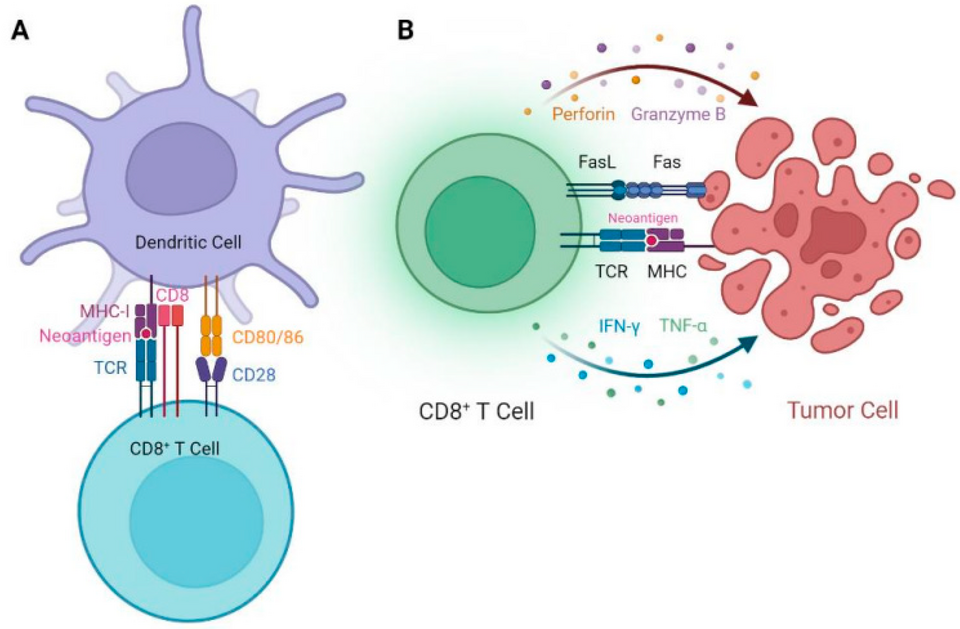
T-cell vaccines could outlast viral mutations—good news for gamers
T cells—immune system’s off-meta pick—just outplayed antibodies in a *Cell Reports* study, targeting viral ‘core files’ instead of mutable cosmetics.

Fluctuating sleep apnea raises heart risks by 30%—but why?
Flinders University’s *SLEEP* study exposes a blind spot in sleep medicine: patients with erratic night-to-night apnea patterns face 30% higher cardiovascular risk than severity scores alone predict.

New cell map reveals pregnancy risks at single-cell level
UC San Francisco’s single-cell atlas of pregnancy reveals new cell types linked to preeclampsia, but remains purely research-stage.

AI Model Links Mental Health
Anglia Ruskin University led the research, which involved collaboration with Cranfield University, the University of Portsmouth, and Intelligent Omics Ltd.
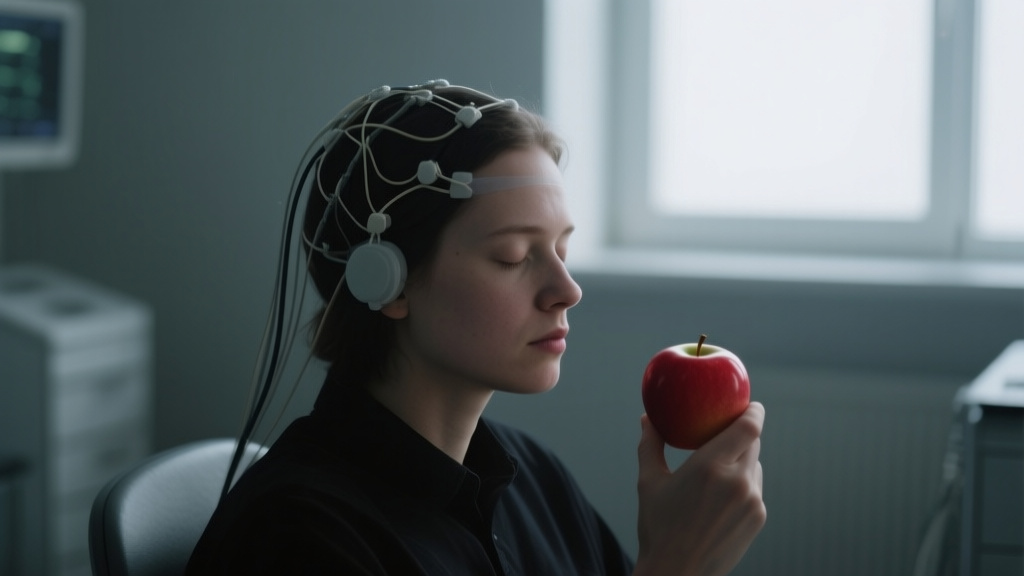
Same neurons fire for seeing and imagining objects
Electrodes in epilepsy patients revealed identical brain activity for seeing and imagining objects.
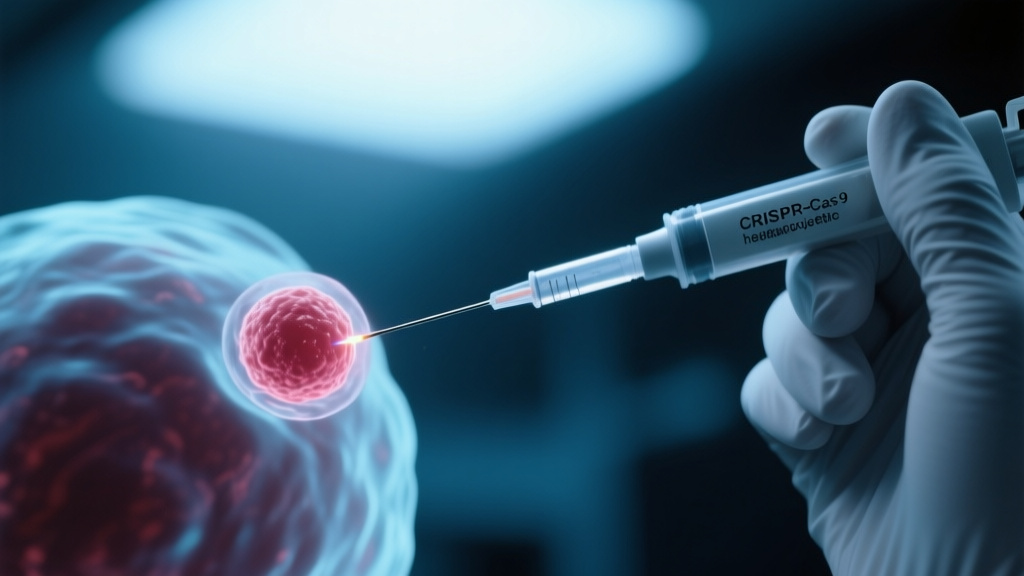
Gene editing for β-thalassaemia: A trial with real limits
Forty-two β-thalassaemia patients in a Milan-led trial stopped needing blood transfusions after CRISPR edited their *BCL11A* gene to boost fetal hemoglobin.
MDGA1 mutation offers clue to male autism bias
A study in *EMBO Molecular Medicine* links MDGA1 gene mutations to autism’s male bias, marking a step toward biological clarity—but no treatment yet.

Laser Surgery Breakthrough
Researchers at Worcester Polytechnic Institute have developed a flexible optical fiber that can be used to destroy hard-to-reach tumors on the vocal folds.
SymptomWise: The AI diagnostic tool that actually admits its limits
SymptomWise’s authors didn’t just build an AI diagnostic tool—they designed it to fail gracefully, a rarity in a field where overconfidence is the default setting.
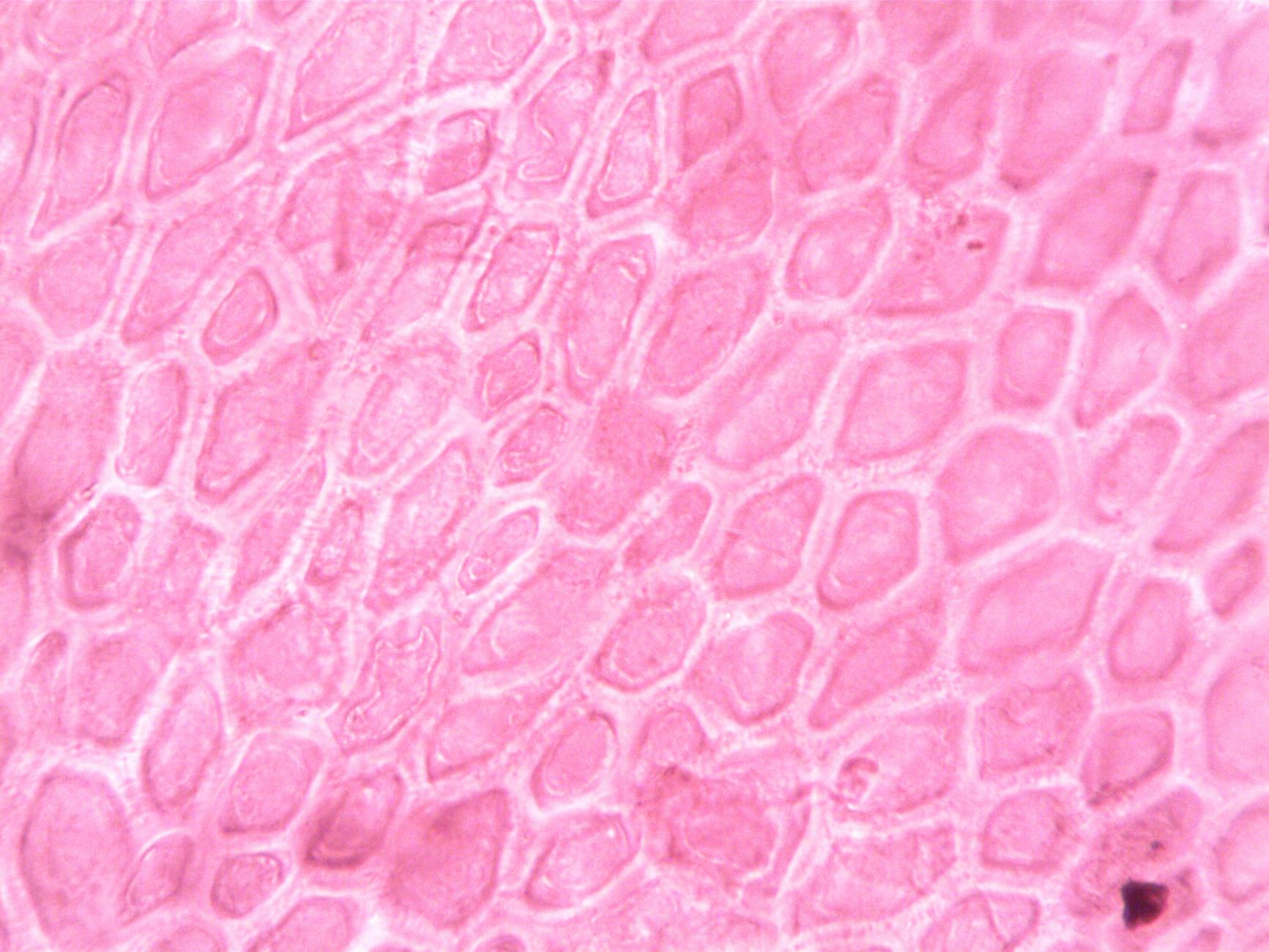
How gut inflammation rewires the ‘second brain’—and why it lasts
Enteric glial cells—not immune cells—may hold the key to why 30% of IBD patients develop chronic motility disorders post-recovery.
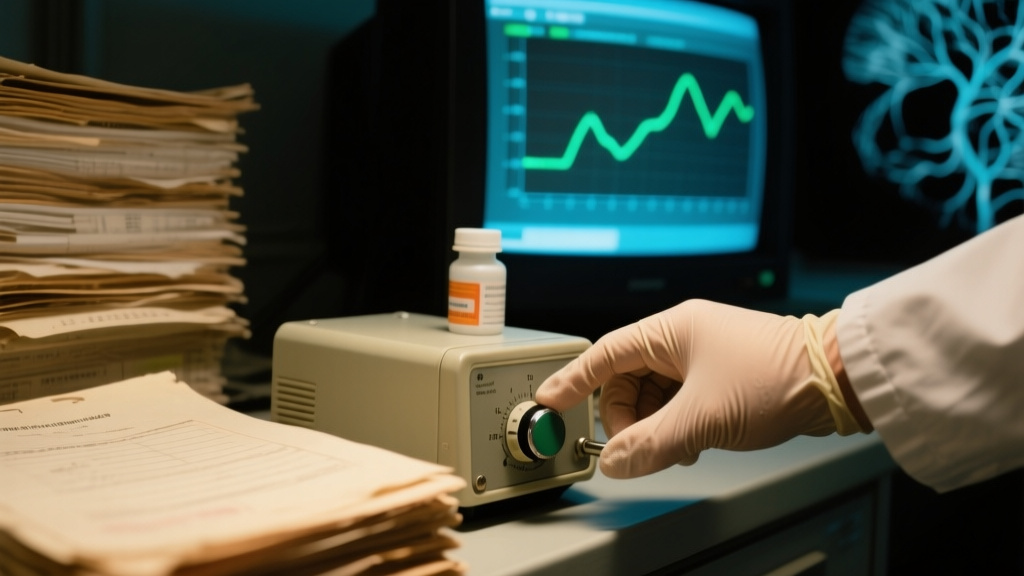
Transfer Learning’s Quiet Promise for Drug Manufacturing
Pfizer’s 2021 AI-driven process optimization pilot cut small-molecule development time by 20%, yet similar gains for biologics remain unproven.
Pregnancy’s Hidden Cell Map Reveals New Risks—But No Cures Yet
Researchers at [Wellcome Sanger Institute](https://www.sanger.ac.uk/) and collaborators mapped 350,000+ cells across early and late pregnancy stages to build the first [single-cell atlas](https://www.nature.com/articles/s41586-024-07316-2) of the maternal-fetal interface.
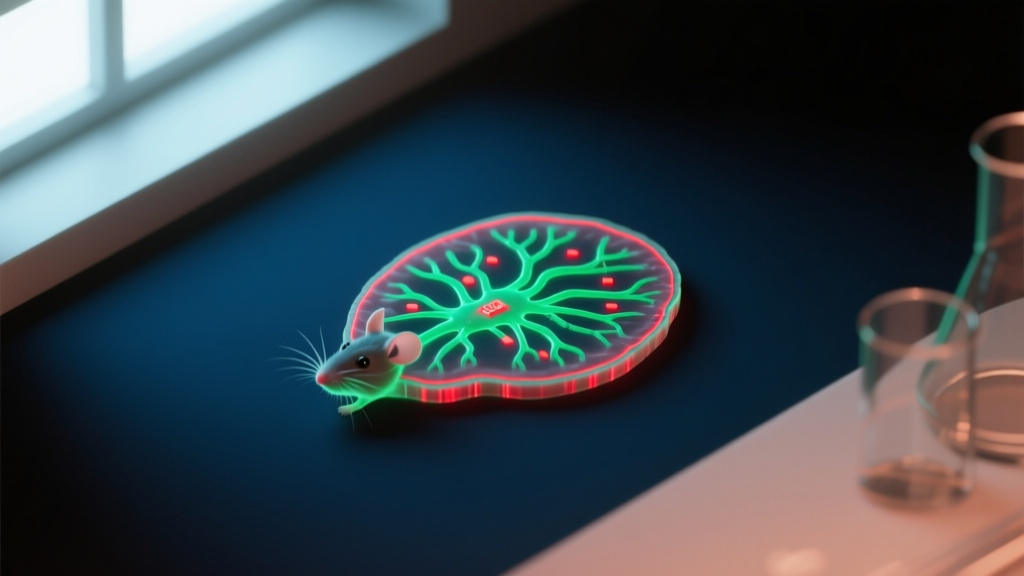
APOE4’s early brain disruption—before memory fades
APOE4 carriers—roughly 1 in 4 people globally—may experience altered brain activity in their 30s, decades before Alzheimer’s symptoms emerge.
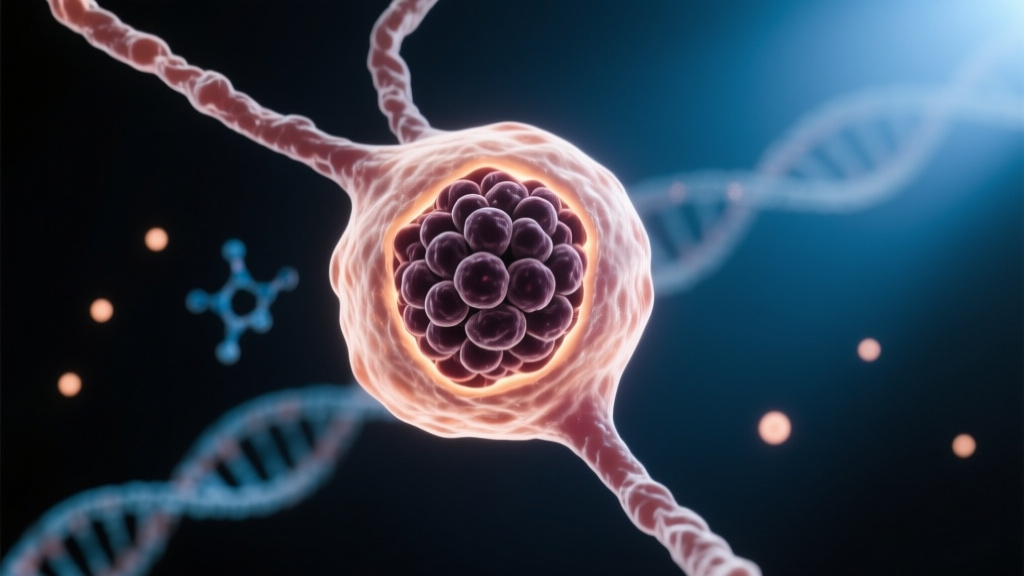
Silenced AML gene reactivated in mice—no human trials yet
CRISPR-based tools reactivated a silenced leukemia-suppressing gene in mice, according to JAX researchers, without editing a single DNA base pair.
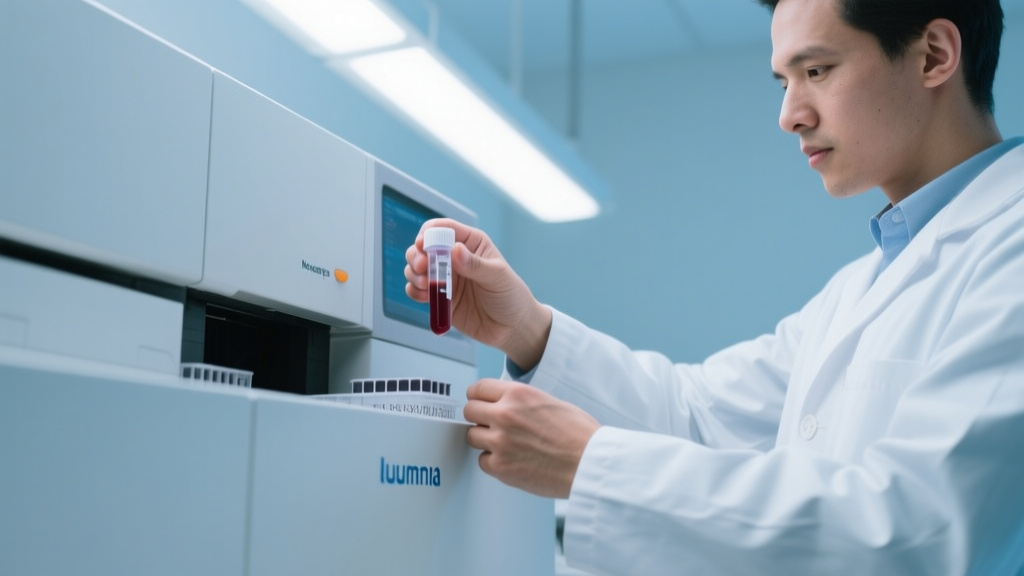
Blood Test Detects Cancers
UCLA scientists have made a breakthrough in disease detection with a new blood test
The brain’s ‘stop eating’ switch isn’t where we thought
Mouse studies at the German Research Center for Environmental Health reveal astrocytes—once dismissed as neuronal scaffolding—directly activate the brain’s fullness neurons via a glucose-triggered relay.

Microplastics Found in Human Bile
Microplastics have been found in every human bile sample examined in a recent study, with chronic low-dose exposure linked to mitochondrial dysfunction and senescence in cholangiocytes.
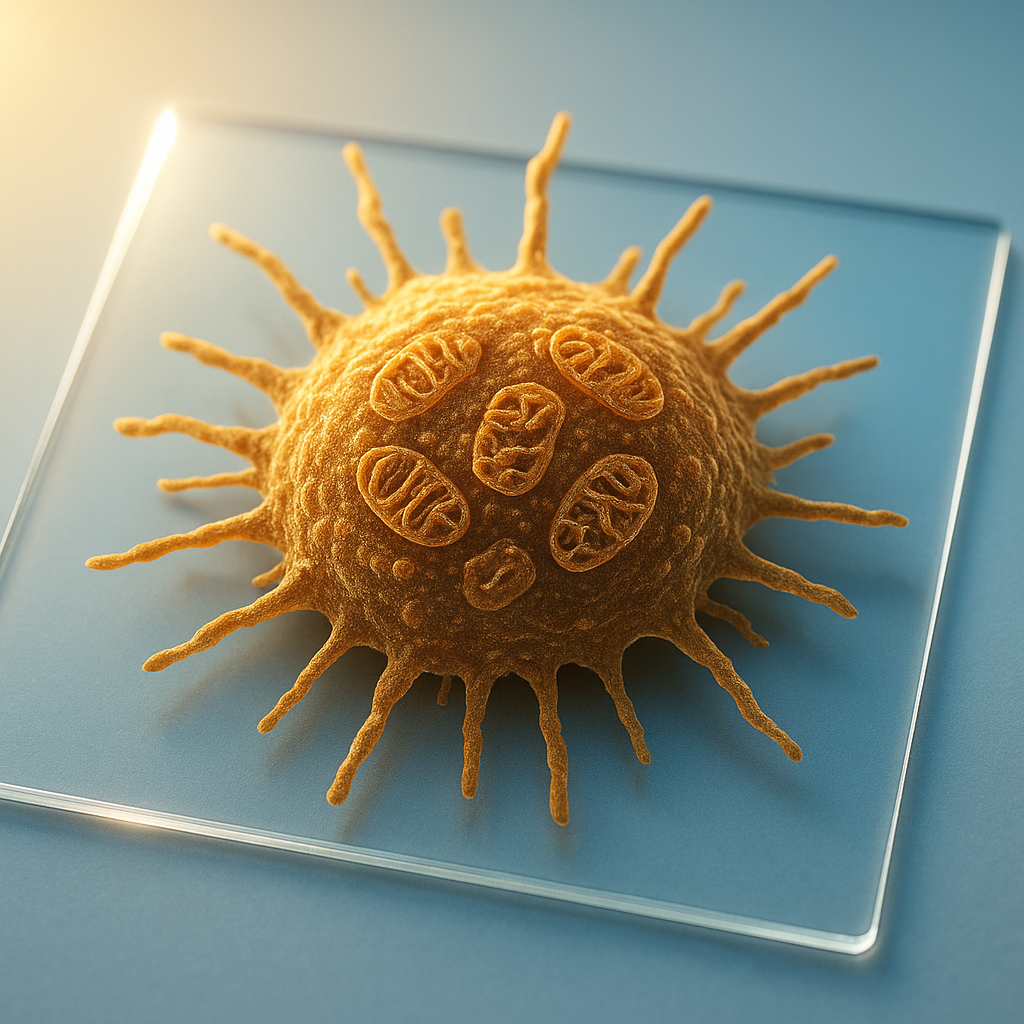
Tumors Sabotage Immune Cells—Can Mitochondria Fix It?
Mouse studies now show tumors disable dendritic cells by crippling their mitochondria—a vulnerability that may explain immunotherapy resistance in 30–40% of patients.
Not all proteins are equal in transplant immune risks
The Mayo Clinic’s new protein-ranking system assigns immunogenicity scores to individual proteins, a capability absent from current transplant risk assessments.

Heart pumps fail to cut damage in high-risk attacks—trial
A 50-patient randomized trial found no reduction in heart attack size when using Impella CP pumps in high-risk STEMI patients without cardiogenic shock.

Dermcidin: Your body’s flu shield, but not a cure
Spanish researchers found that people with naturally elevated dermcidin levels reported 38% fewer flu-like symptoms during peak season.
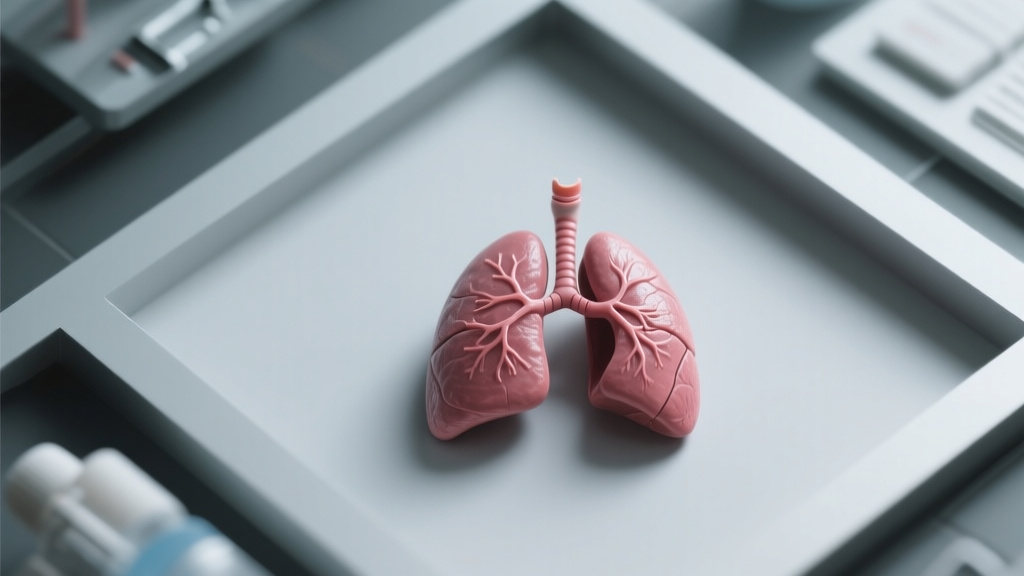
AI Predicts Lung Cancer Treatment
Researchers have developed an AI-powered pathology tool that can predict treatment responses for patients with extensive-stage small cell lung cancer, with a reported accuracy rate of over 80%.
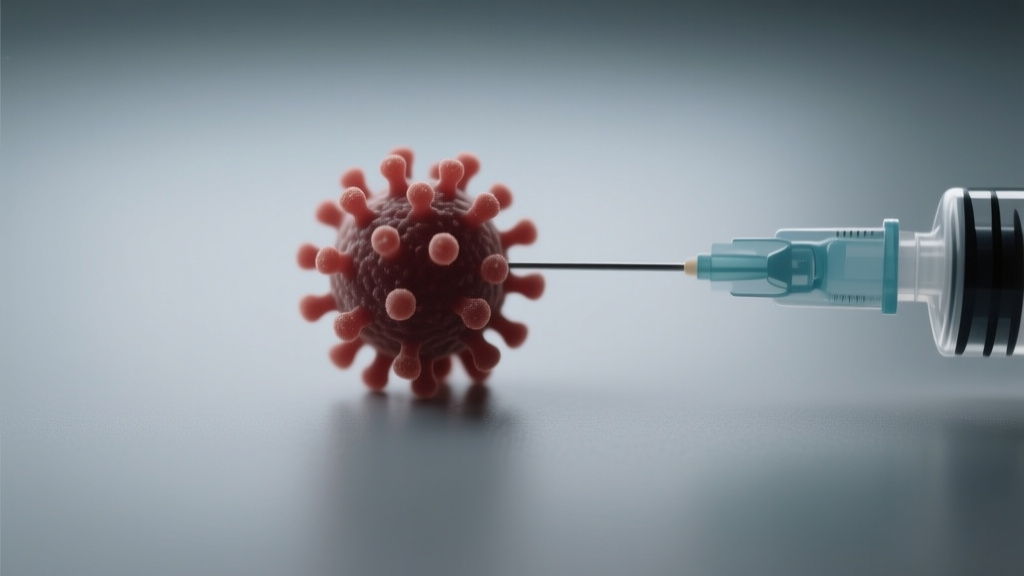
Cancer vaccine’s narrow failure pushes IO Biotech into bankruptcy
A Phase 3 cancer vaccine trial’s undisclosed ‘narrow failure’ last August erased IO Biotech’s $127M IPO and forced a Tuesday SEC bankruptcy filing.
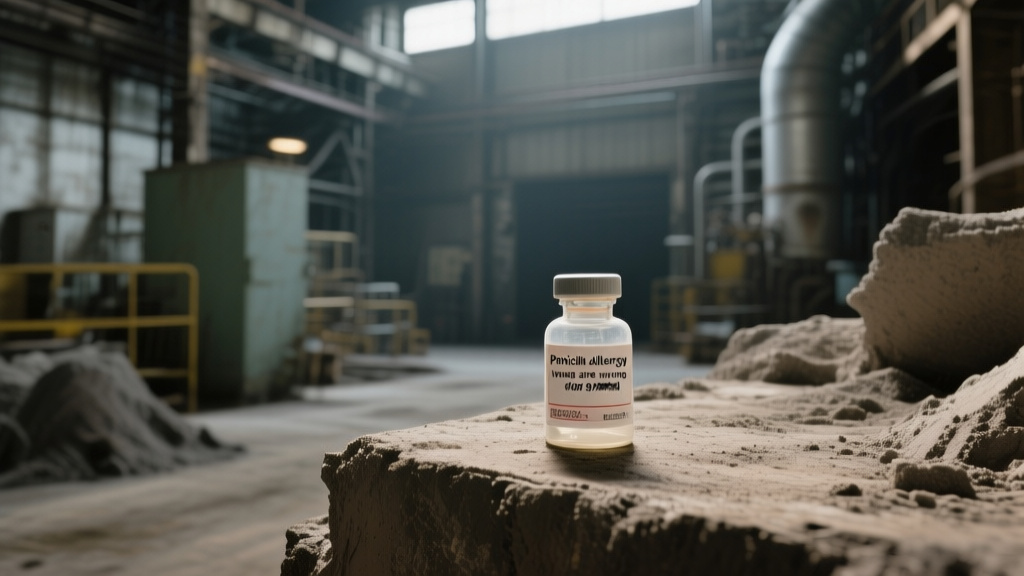
Penicillin allergy labels are wrong for 90% of patients—new study
Professor Jason Trubiano’s team just confirmed what clinicians suspected: **90% of hospital patients labeled ‘penicillin-allergic’ test negative** when properly evaluated.
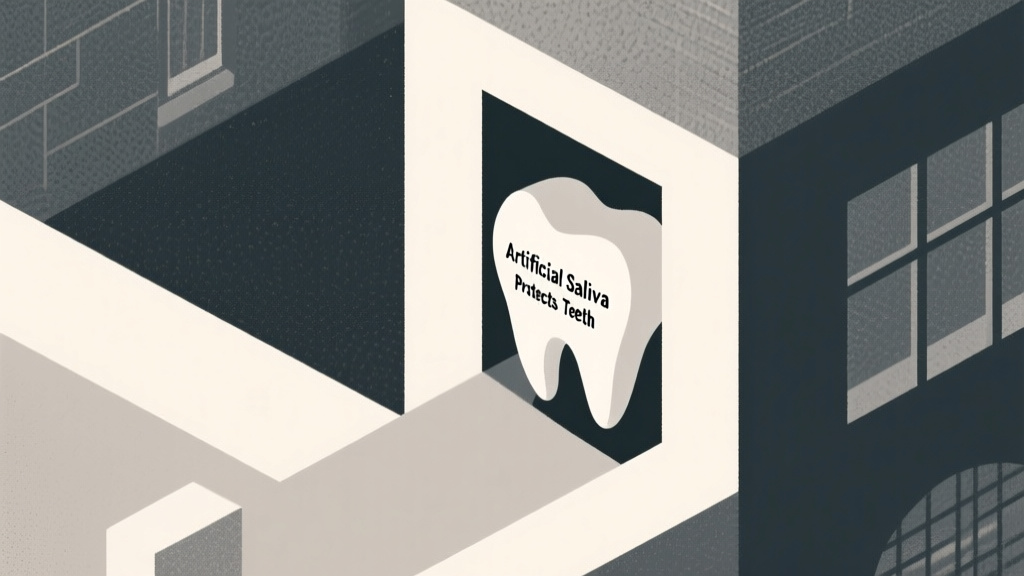
Artificial Saliva Protects Teeth
CANECPI-5, a sugarcane protein, is the key ingredient in this artificial saliva, which has shown promising results in early tests.
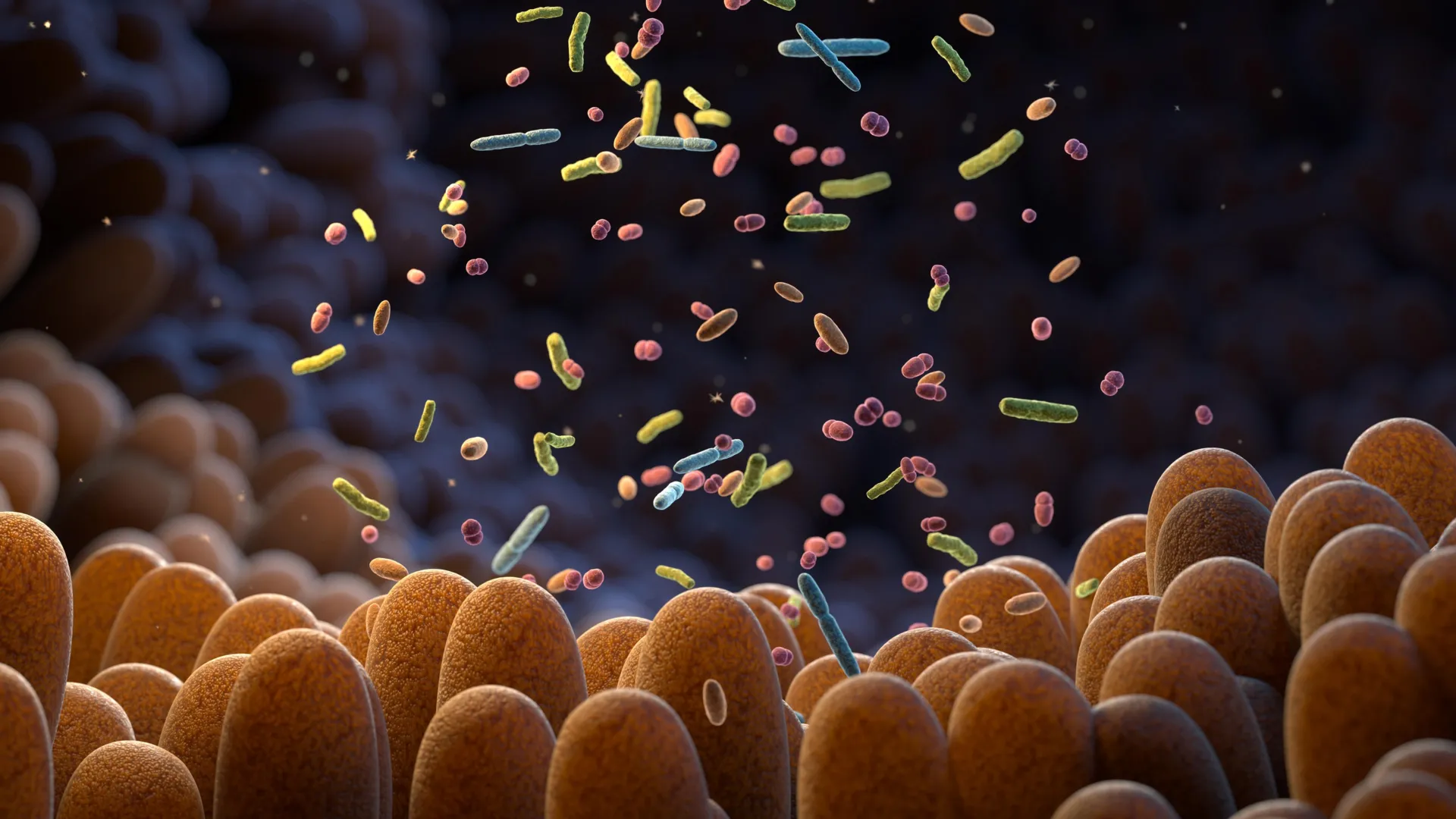
Gut Bacteria May Detect Cancer
Researchers have identified specific biomarkers linked to digestive diseases, which can be analyzed using AI to predict various conditions.

Overnight liver perfusion shifts transplants to daytime—safely
Dutch surgeons just turned a 3 a.m. liver transplant into a 9 a.m. one—without harming patient outcomes.

Beyond antifungals: Immunity reprogramming for candidiasis
Current antifungals fail in 40% of systemic candidiasis cases, a mortality rate driving researchers toward radical alternatives like immune metabolic reprogramming.
Calcium channel flaws rewrite early epilepsy risk story
The mutations don’t just predict epilepsy—they rewire the brain’s blueprint during the second trimester, according to Baylor’s *Neuron* paper.
Anthropic’s $400M bet: AI pharma or just hype arbitrage?
A single investor just turned $1 million into $385 million—without a drug, a trial, or even a double-digit headcount.
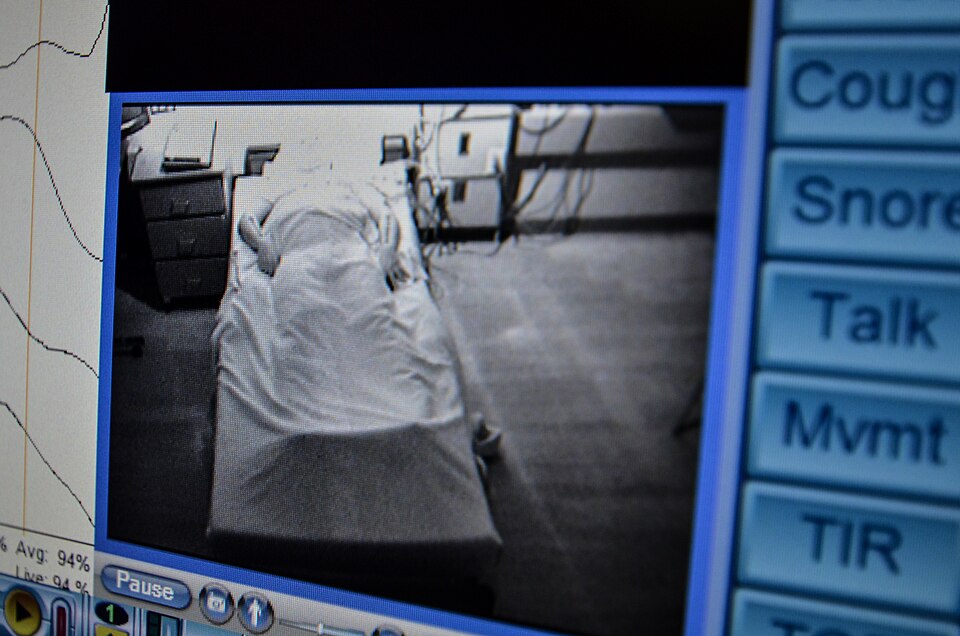
Depression’s hidden toll: Sleep, not weight, may drive diabetes risk
Disrupted sleep in depressed young adults predicted insulin resistance more accurately than weight gain in a 10-year Australian study of 1,900 participants.
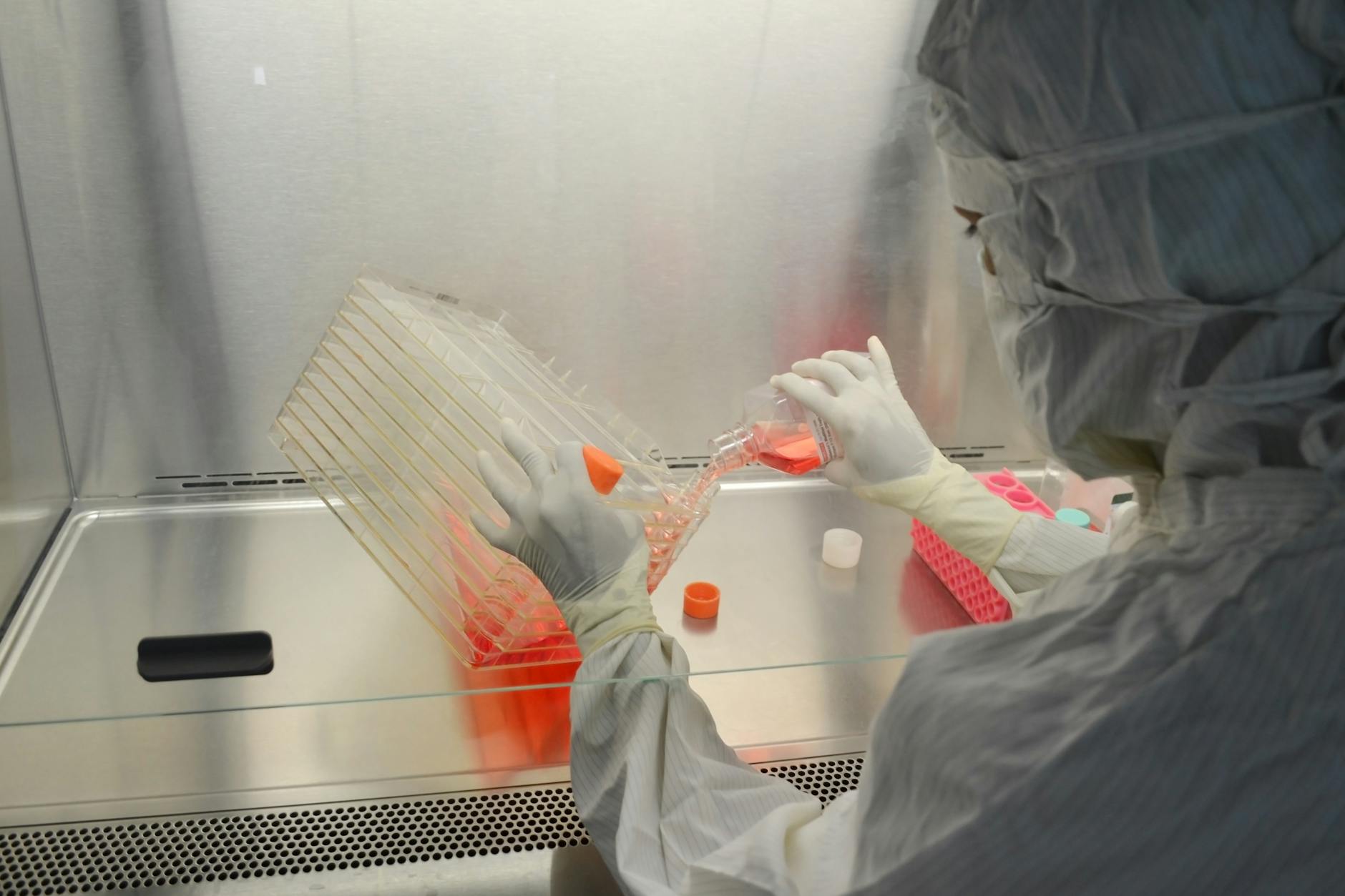
CRISPR Epigenetics Restores AML Tumor Suppressors
Researchers used CRISPR and epigenetic targeting to reactivate silenced tumor suppressors in AML mouse models, reducing leukemia burden.
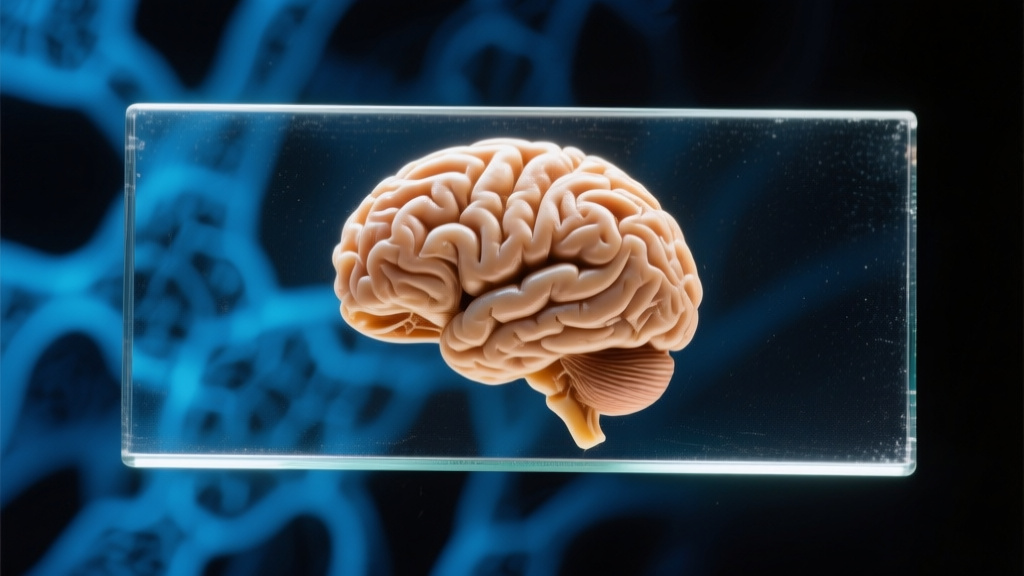
Pollution and inequality may age your brain faster—here’s the evidence
Brain scans from 34 countries reveal that air pollution and socioeconomic inequality can widen the gap between biological and chronological brain age by up to two years.
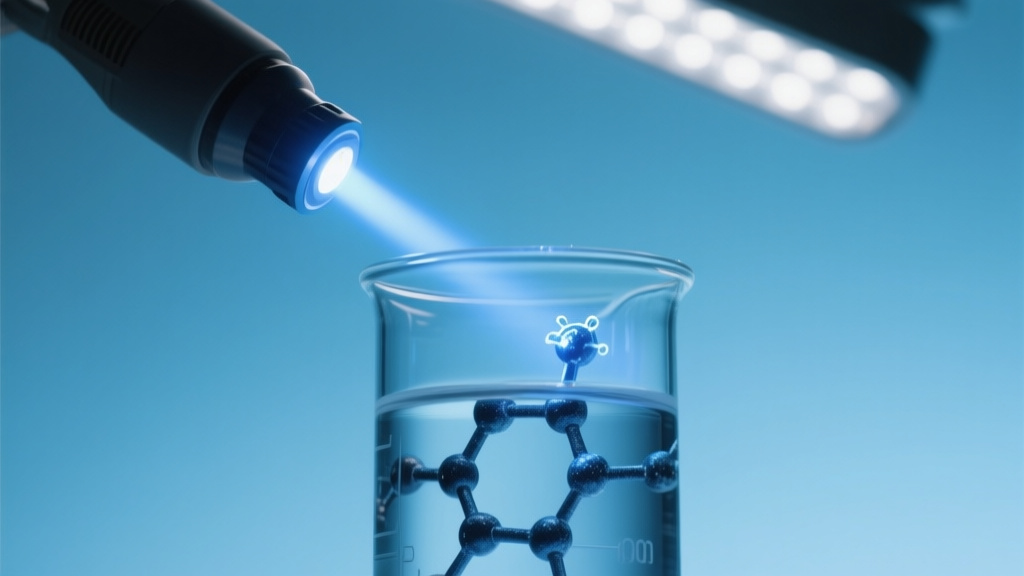
Failed Cambridge lab experiment reveals greener drug-making path
Cambridge chemists turned a botched reaction into a method that uses LED light to edit drug molecules—no toxic solvents required.
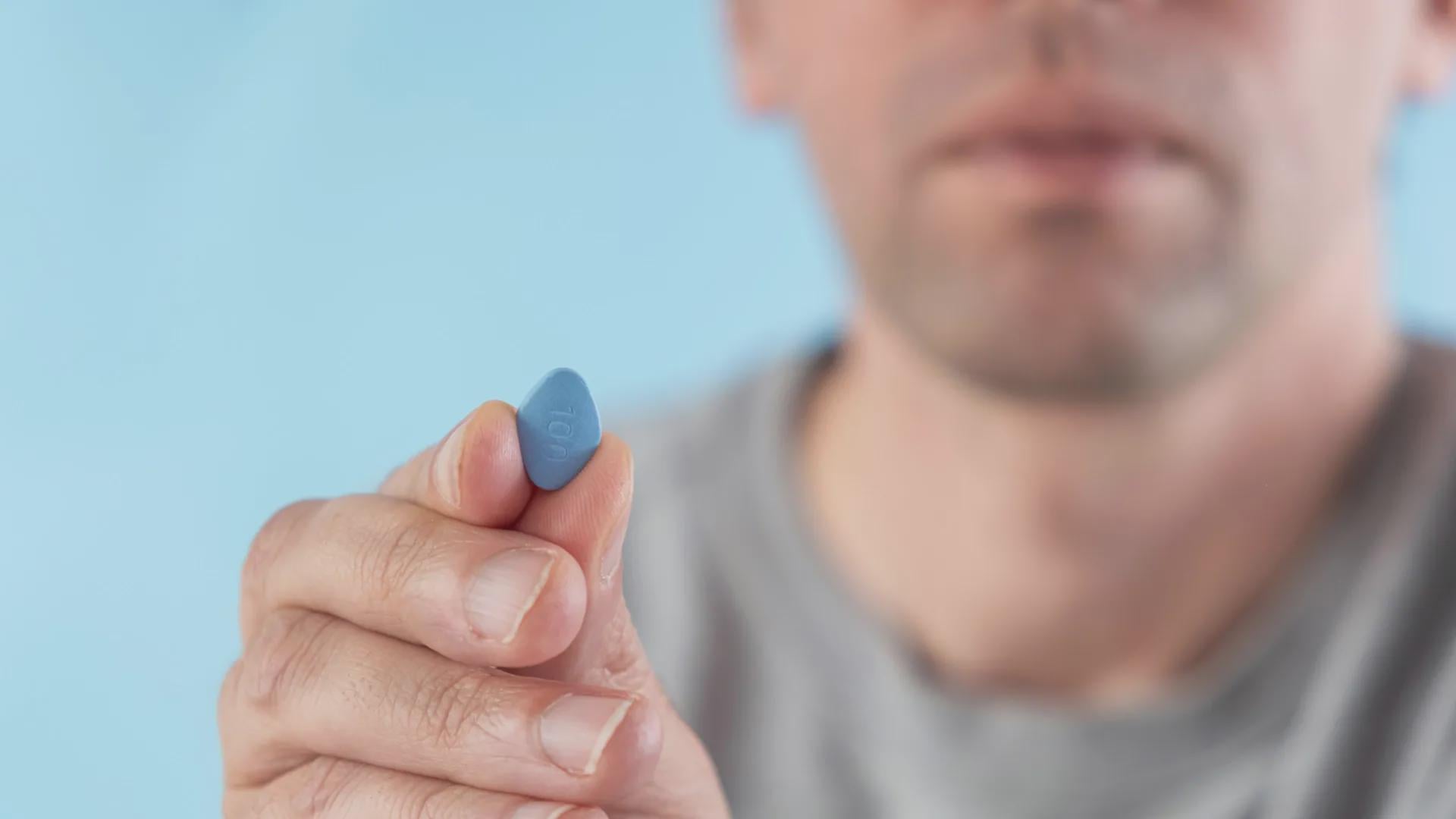
Viagra’s hidden potential: A rare disease’s unexpected ally
A drug originally designed for erectile dysfunction now shows **unexpected muscle-strengthening effects** in children with a fatal neurological disorder.

Petascale DNA Synthesis
A new study published in Nature Biotechnology has developed a generative modeling framework that enables petascale synthesis of designed DNA, with a DOI of 10.1038/s41587-026-03020-8.
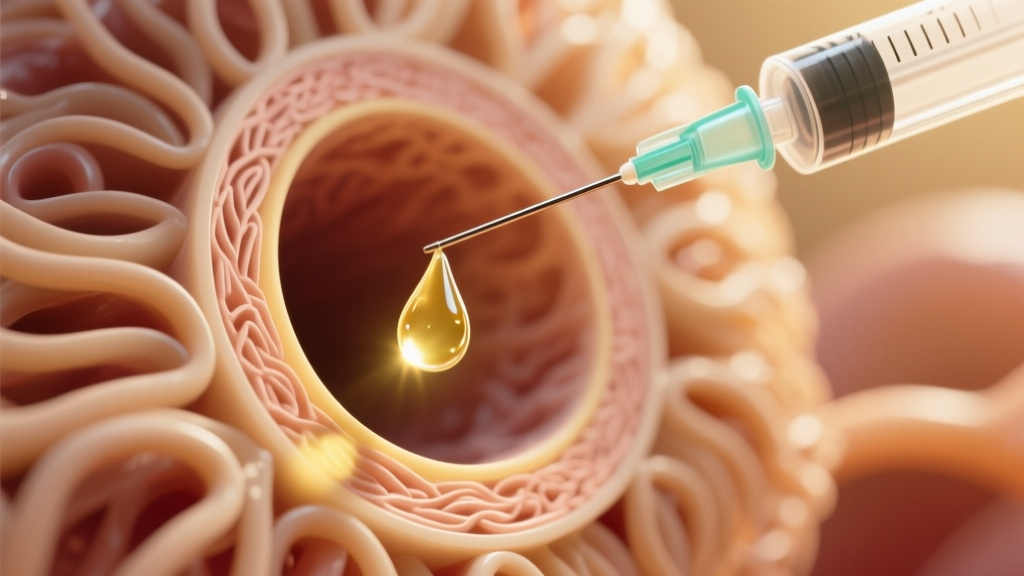
Deafness Reversed
Ten patients with congenital deafness experienced improved hearing after a single injection of a new gene therapy.

HIV in 2024: Progress, but no victory yet
Antiretroviral therapy now extends near-normal lifespans in wealthy nations, yet 60% of new HIV infections still occur in sub-Saharan Africa.
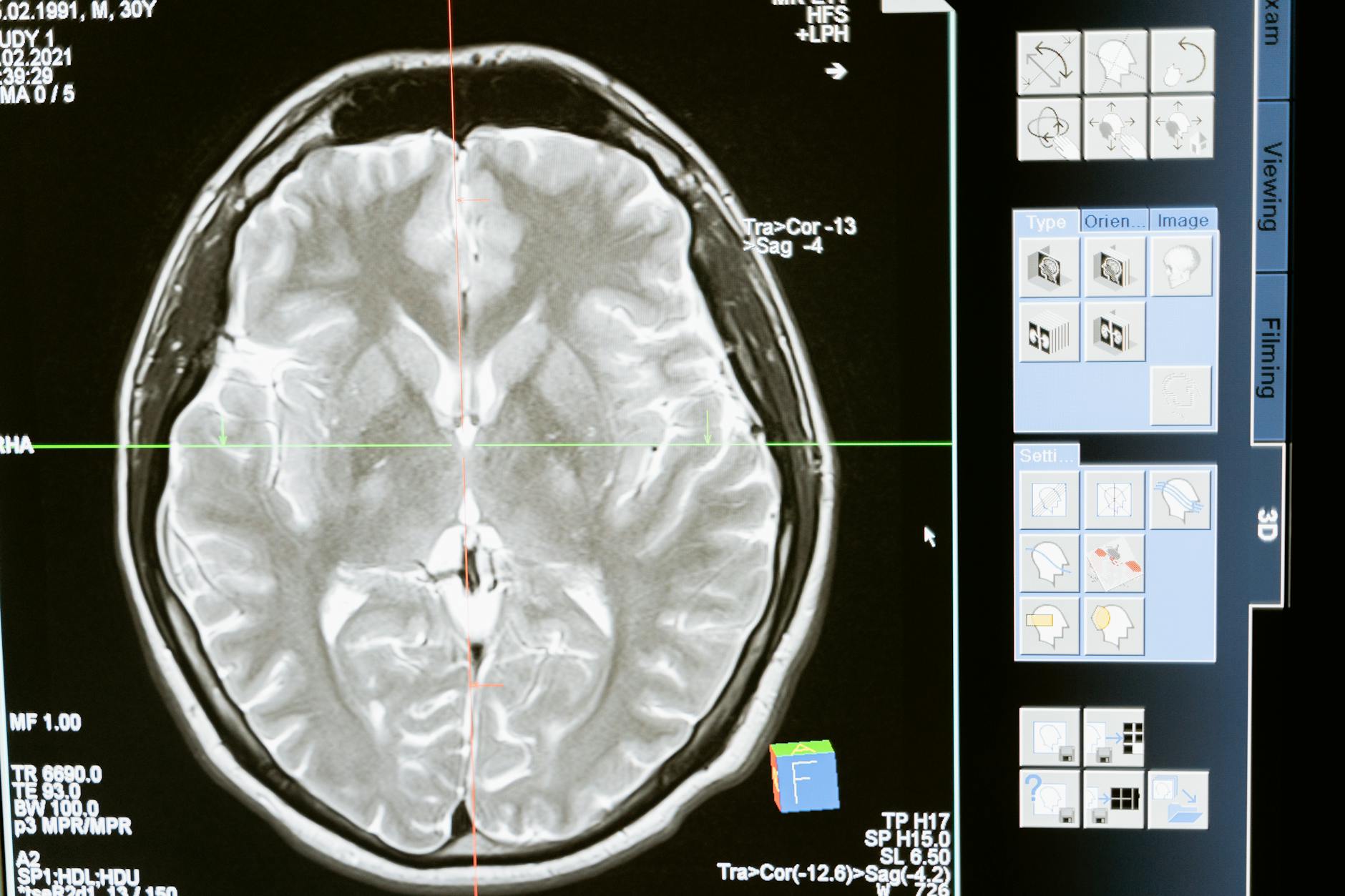
Social ties vs. pollution: How your environment ages your brain
Researchers analyzing 34 countries’ exposome data pinpointed two distinct drivers of brain aging: social interactions speed cognitive decline, while pollutants erode structural integrity.
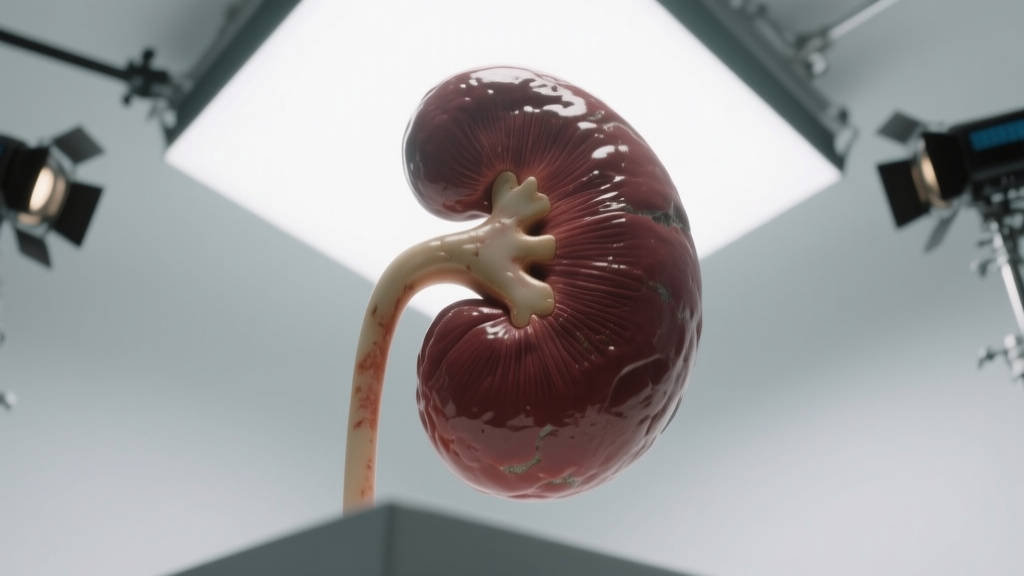
New Hope for Kidney Stone Disease
Researchers have identified a small molecule that can prevent kidney stone formation in a rare genetic disorder.
Scalable sensors slash cost of brain disorder research
A preprint study shows new sensors recording neural activity in brain organoids for under $500 per unit, but clinical relevance is years away.
FDA’s AI Breakthroughs Favor Big-Picture Medicine
STAT News analysis reveals the FDA’s ‘breakthrough’ AI devices lean toward broad-impact solutions over niche tools.
Pancreatic Tumor Breakthrough
Jean-Jacques Lebrun, Ph.D., led the team that made the breakthrough discovery of a protein that pancreatic cancer cells rely on to survive and grow.

A tuberculosis test that spots contagious cases—with limits
UC Davis researchers’ new blood test targets a protein signature unique to *active* TB—a feature missing from every WHO-approved diagnostic currently in use.

Skin’s immune alarm: How local damage triggers body-wide responses
Keratinocytes in the epidermis don’t just detect threats—they broadcast them via a newly identified pathway, Chinese researchers revealed in *Nature Immunology* this week.

Nerve implants decode leg movement, offering hope for natural prosthetics
Swedish researchers have translated nerve signals into leg movement commands, including toe wiggling, in a first for above-knee amputees.
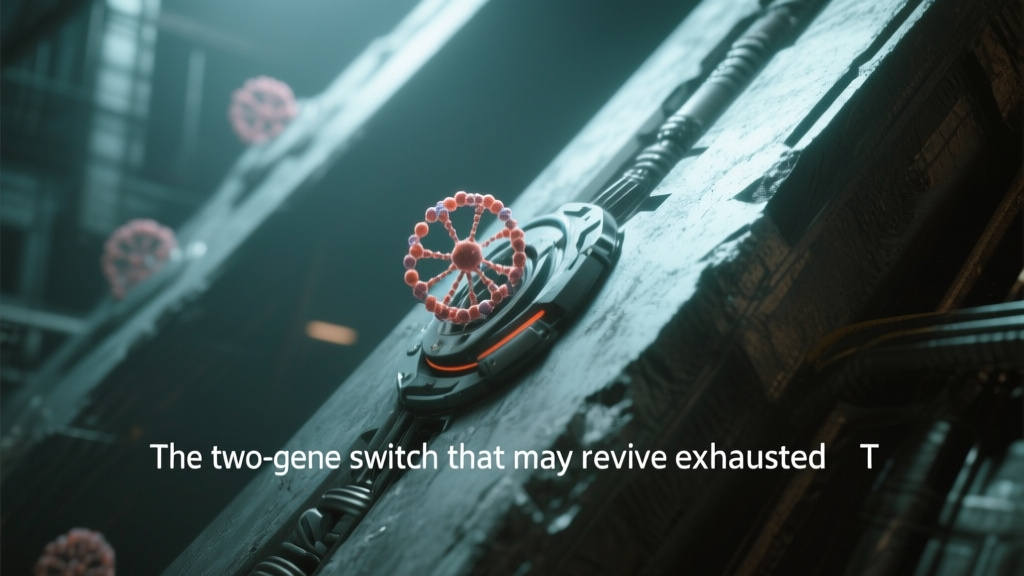
The two-gene switch that may revive exhausted T cells
Two genes, *Tcf7* and *Lef1*, act as master regulators of T cell exhaustion, according to a *Nature Immunology* study combining CRISPR screens with 60,000-cell sequencing.

AI-built ‘intrabodies’ target Alzheimer’s—with cautious optimism
AI-designed antibody fragments, small enough to be produced inside human cells, have shown potential to neutralize proteins tied to Alzheimer’s and MND—though only in lab models so far.
AI blood test spots liver disease before symptoms—with caveats
The AI model, trained on genome-wide DNA fragmentation data, distinguished early fibrosis from healthy controls with 85% accuracy in preliminary tests—no mutations required.
Cancer genomics gets a sharper lens—but limits remain
Over 80% of variants detected in tumor sequencing fall into a gray zone—neither clearly harmful nor benign—where Hiroshima University’s new tool aims to impose order.
Fear’s fading grip: How the brain recalibrates threat
Optogenetic mapping in 24 mice revealed a neural feedback loop between the amygdala and prefrontal cortex that adjusts fear responses in real time.
Lecanemab's Mechanism Revealed
Lecanemab, a key Alzheimer's drug, has been found to activate immune cells through the Fc fragment of the antibody, according to researchers.
Brain atlas maps human growth—but gaps remain
A team led by neuroscientists at the University of Pennsylvania has compiled the most detailed map yet of brain connectivity across nine decades of life.
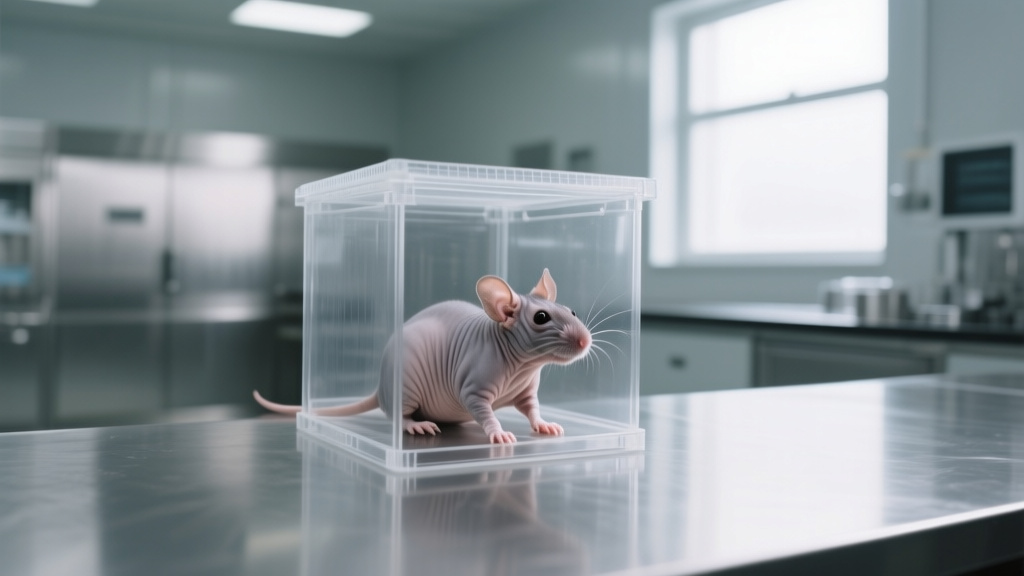
Tumor-hunting probiotics: A precision tool, not yet a cure
*E. coli* Nissle, a gut-friendly probiotic, now doubles as a tumor-infiltrating drug manufacturer in lab mice.
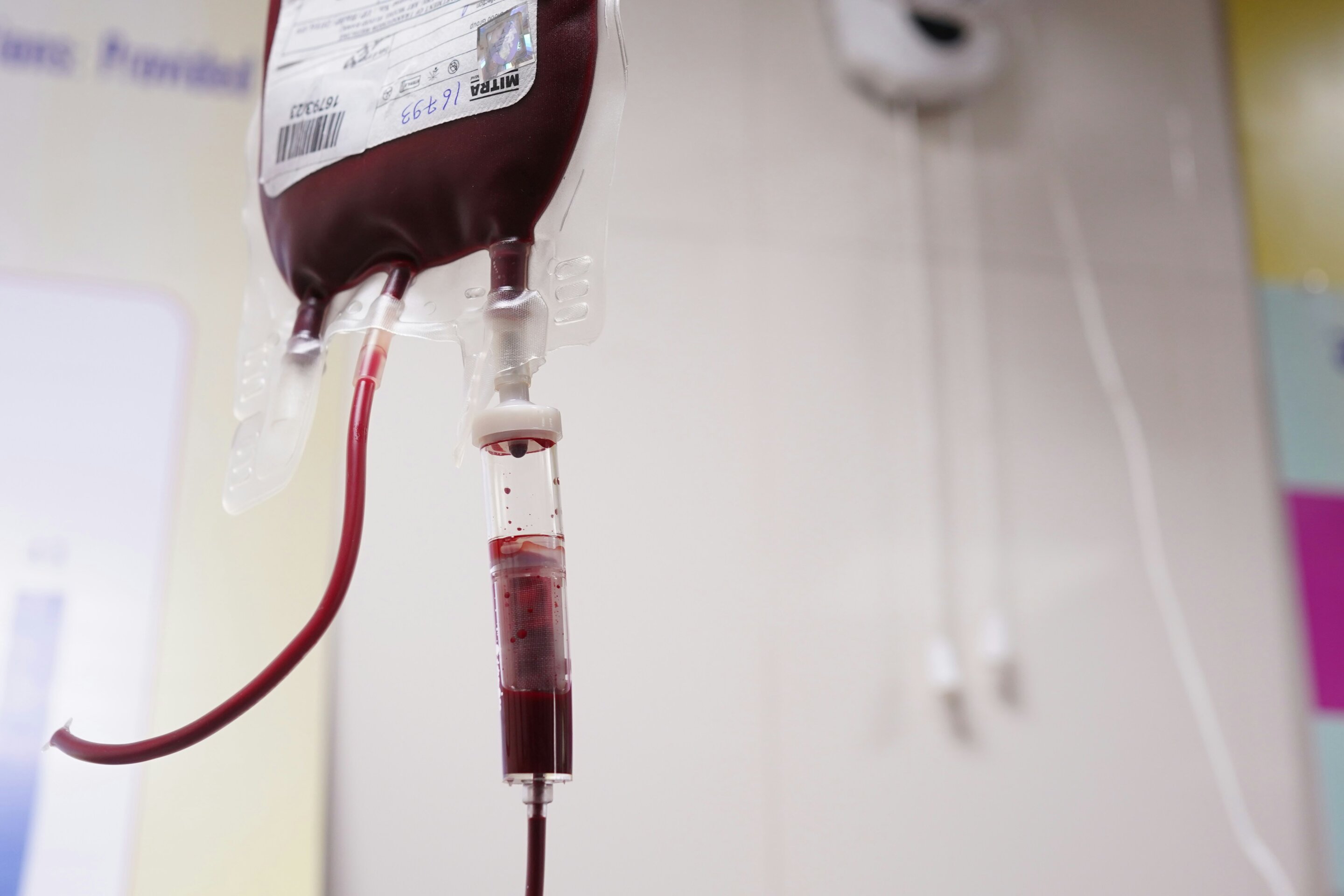
VIC-1911 trial cuts relapse risk—with critical caveats
A 12-patient trial saw zero relapses and low severe GVHD rates with VIC-1911, but the lack of a control group leaves key questions unanswered.

AI health tools multiply—but efficacy remains unproven
Microsoft and Amazon’s new AI health tools process patient data at scale—but neither has cleared FDA validation for clinical use.
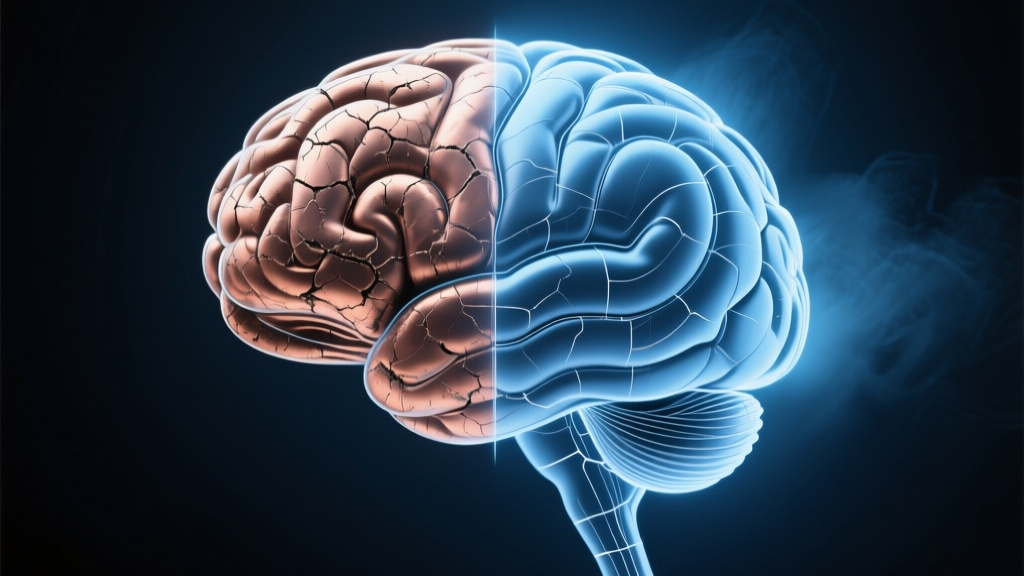
Stroke sparks brain’s hidden rejuvenation effect
A study of 523 stroke survivors reveals the brain’s undamaged side may temporarily ‘de-age’ to compensate for injury—but the implications for recovery remain unclear.
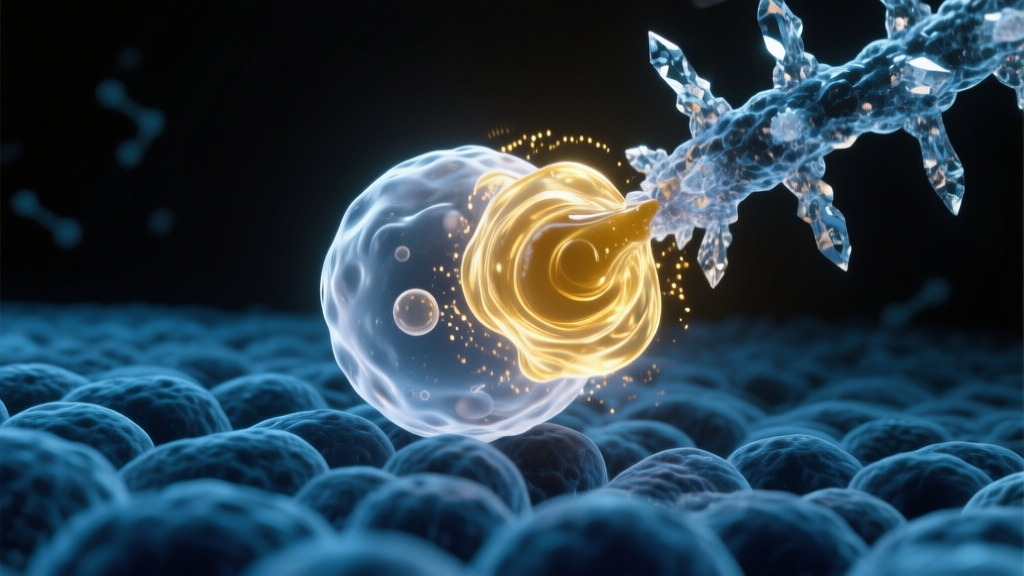
Amino Acid Mix Boosts LNP Efficiency—But Questions Remain
A new amino acid formulation appears to improve LNP uptake in cells, though no human data yet exists.
AstraZeneca's CAR-T Therapy Shows Promise
AstraZeneca's in vivo CAR-T therapy has shown early responses in 50% of patients, according to Endpoints News.

Whoop’s FDA gamble: Can wearables go beyond athletes?
The FDA’s involvement marks Whoop’s first serious attempt to shift from luxury fitness tracker to medical device.
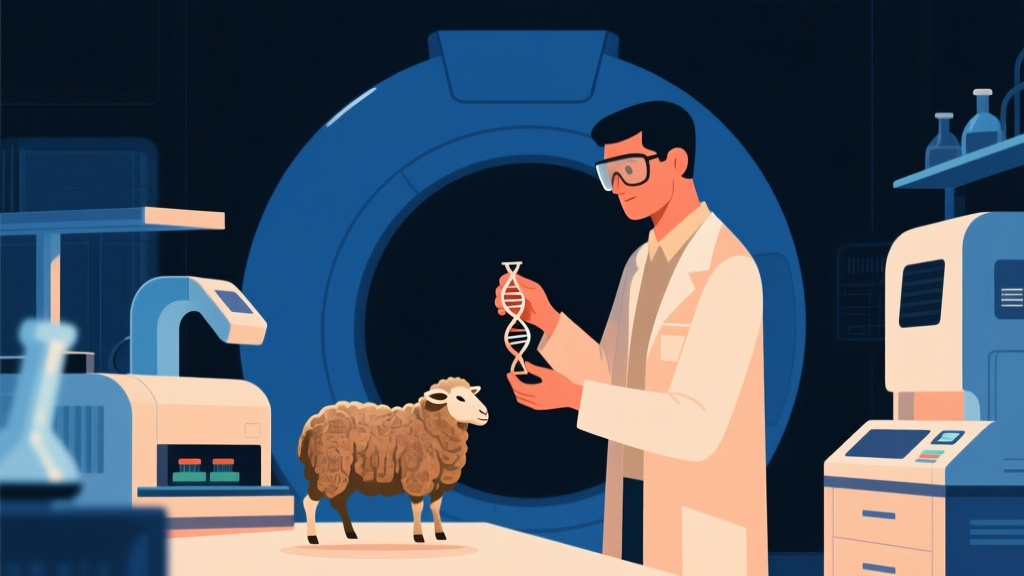
Ancient sheep DNA rewrites the plague’s origin story
A Bronze Age sheep from Russia’s Ural Mountains is the first non-human host ever found carrying the ancient plague bacterium *Yersinia pestis*.
FDA Approves Gene Therapy
Dr. Donald Kohn's work has led to the first-ever FDA-approved gene therapy for severe leukocyte adhesion deficiency-I, a rare immune disorder
Ipsen Pulls Tazverik
Ipsen's decision to pull Tazverik affects thousands of patients worldwide.
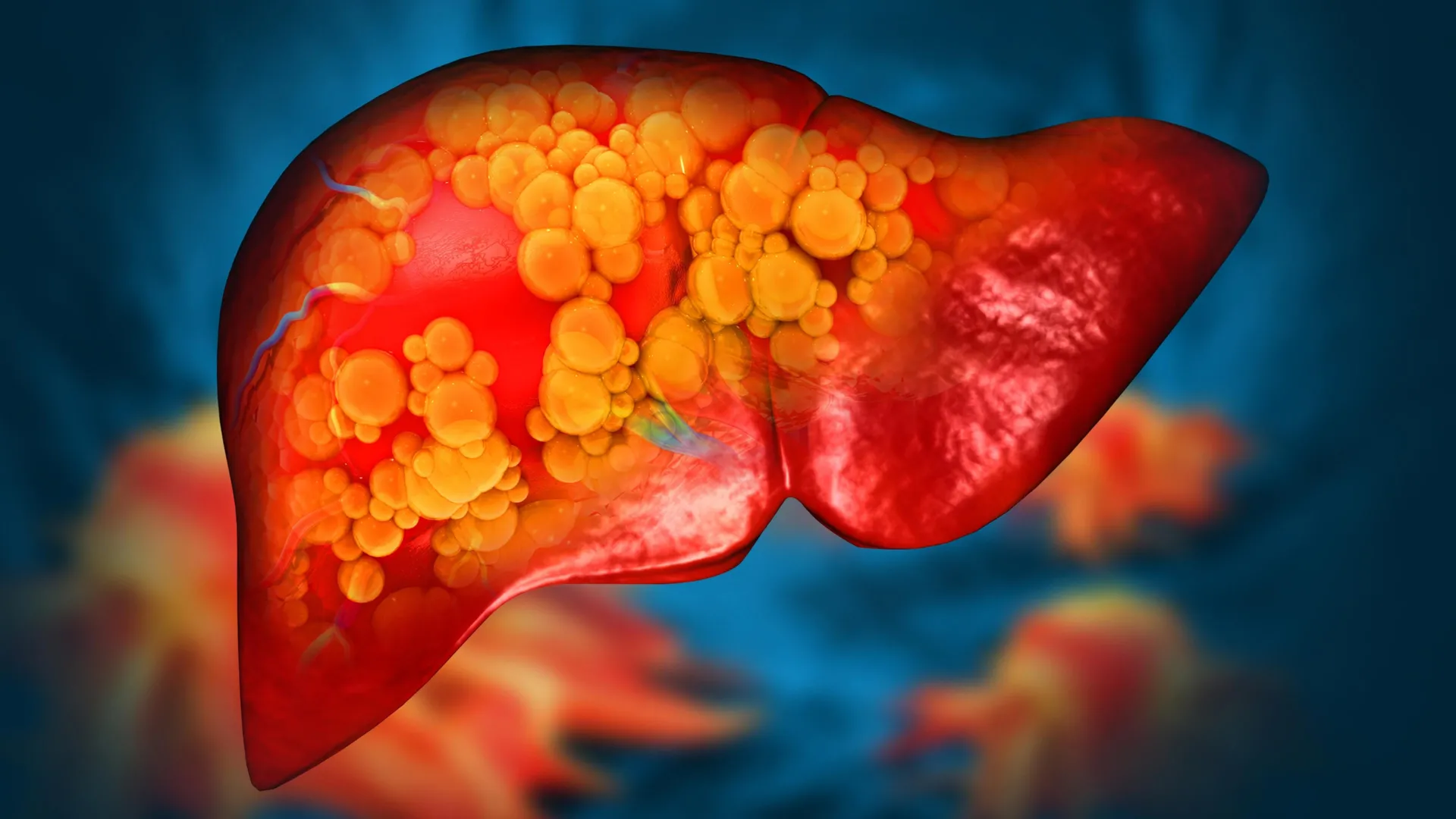
Rare MET gene mutation linked to fatty liver disease
A father and daughter with no lifestyle risk factors led Mayo Clinic to uncover a rare genetic cause of fatty liver disease.

Stroke Falls Reduced
The 'falls after stroke trial' study found a 33% reduction in falls among stroke survivors over 12 months, according to the British Medical Journal.
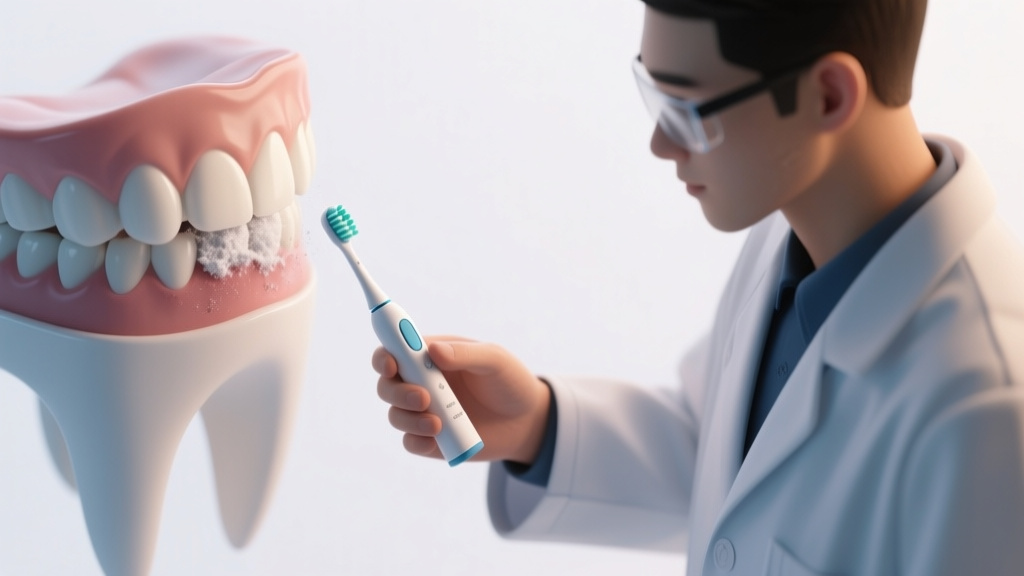
Tooth powder uses vibrations to whiten—and repair enamel
South Korean materials scientists designed the powder’s particles to resonate at 300 Hz—matching the average electric toothbrush’s vibration frequency—according to the *Journal of Dental Research*.
Cancer Drug Treats Herpes
Researchers from UIC have made a significant breakthrough in the treatment of drug-resistant herpes, using an FDA-approved cancer drug, doxorubicin, to target the virus.

Why overactive brains may trigger falls in aging
A recent study suggests the brain’s overreaction to minor disturbances may contribute to falls in older adults and Parkinson’s patients.

Health Data as Utility: A Radical Shift for Patients
Former ARPA-H data chief Shannon Sartin is pushing a policy to turn patient health data into a regulated utility, potentially upending its current corporate ownership.

Bees and birds booze daily—why don’t they get drunk?
Hummingbirds consume alcohol levels equivalent to several human drinks daily—yet show zero signs of impairment.
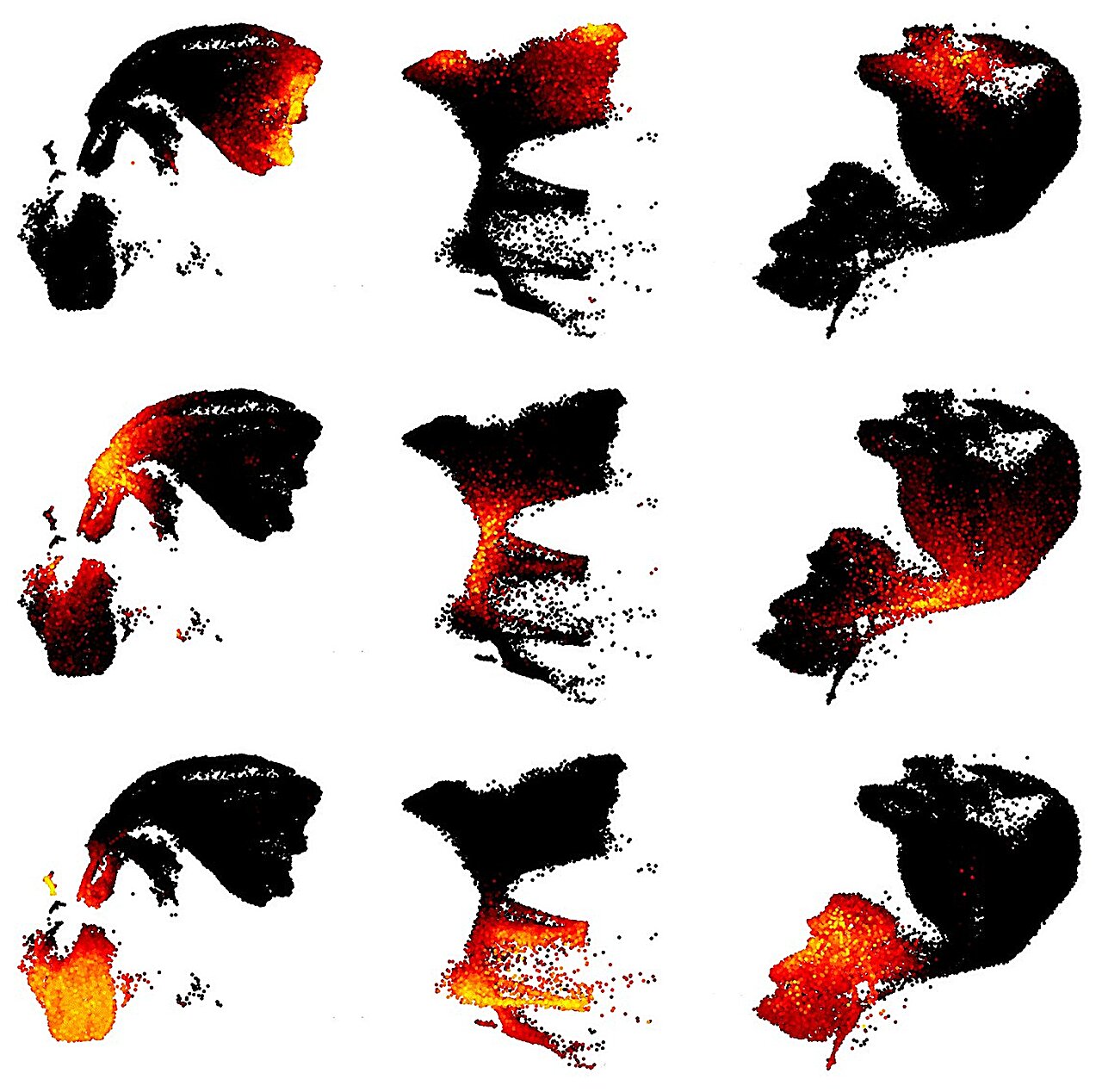
A 30-million-cell atlas of the human brain—with limits
Scientists at Johns Hopkins mapped 30 million brain cells, revealing gaps in understanding disorders like autism and Alzheimer’s.
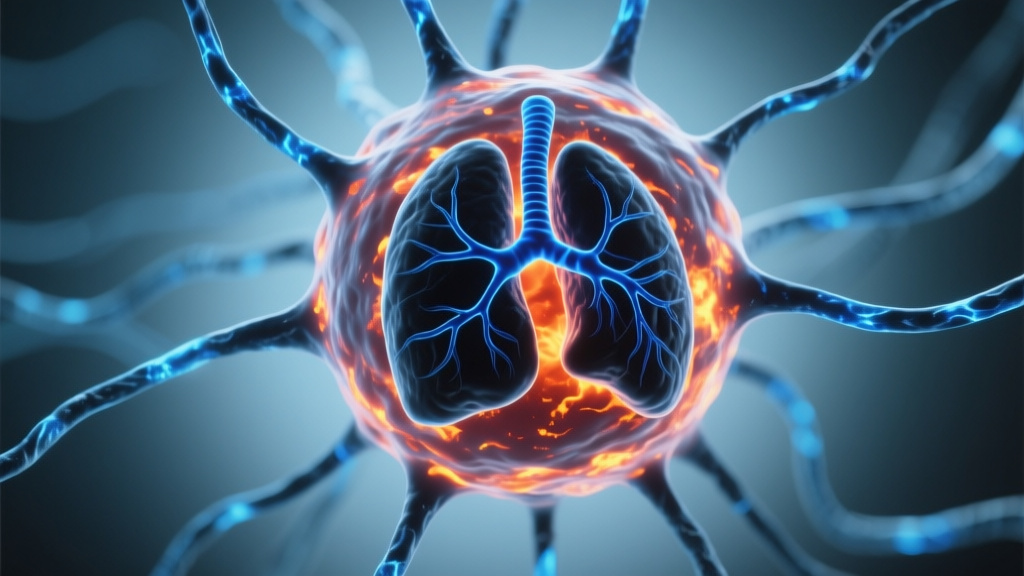
Why this lung cancer returns—and why inflammation may be key
Scientists identify 95% fatality rate for small cell lung cancer patients.
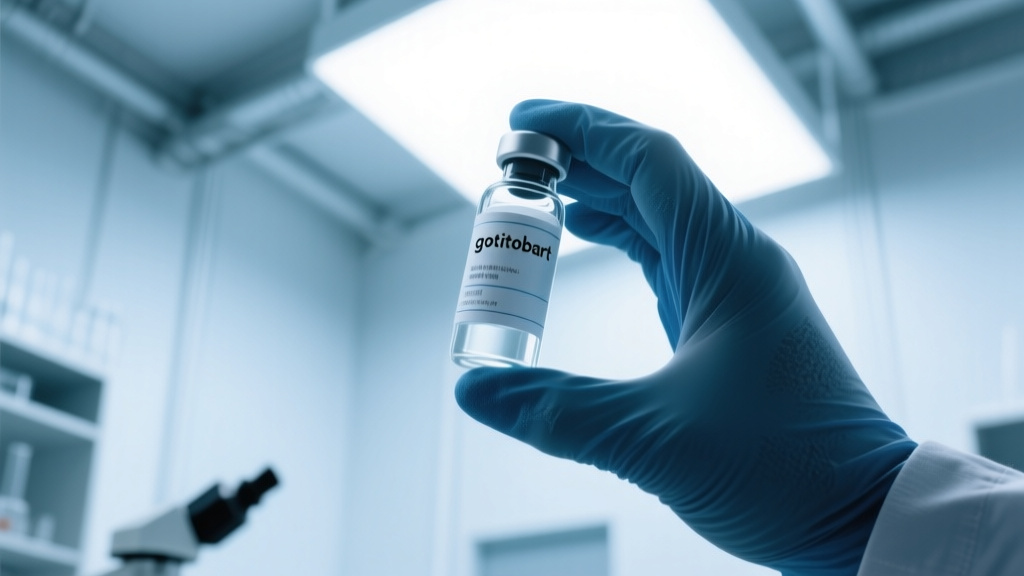
Gotistobart’s survival edge: real progress or trial spin?
Gotistobart increased survival in PRESERVE-003 for metastatic squamous NSCLC patients resistant to immunochemotherapy.
ctDNA predicts breast cancer relapse—but only for some patients
A 1,700-patient study at the 2024 ESMO Congress found ctDNA detected relapse in triple-negative breast cancer with 85% accuracy.

Home cervical tests may ease barriers—but study limits remain
Over 50% of women with disabilities prefer self-collected HPV tests, per a Journal of Medical Screening study.
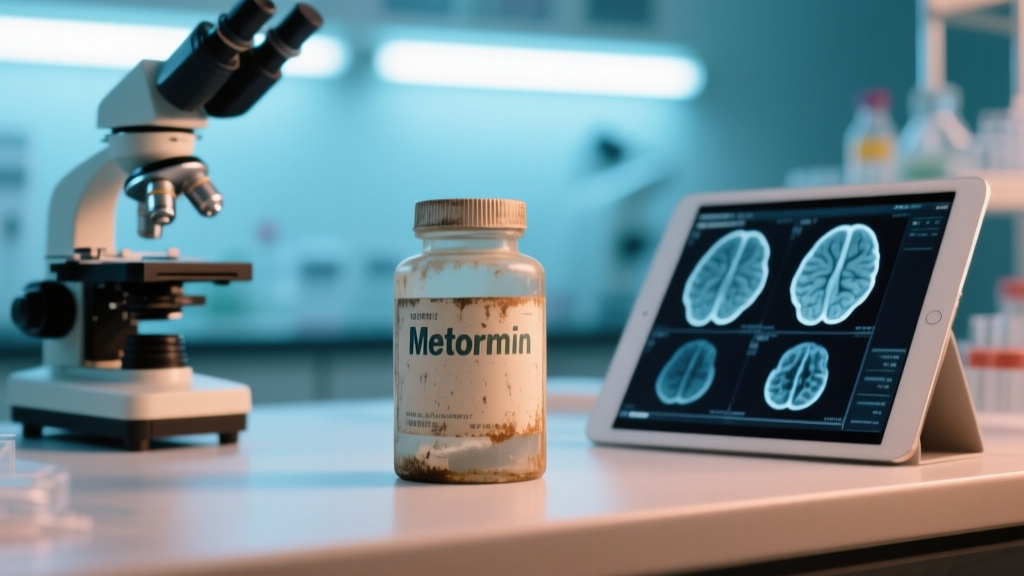
Metformin’s brain pathway uncovered after six decades of use
A Nature Metabolism study reveals metformin activates the AMPK pathway via the PEN2 protein.
mRNA delivery gets a precision upgrade—with caveats
Researchers at MIT modified lipid nanoparticles with aromatic compounds.

FTC settlement targets insulin pricing practices at CVS PBM
CVS faces a settlement over manipulated insulin prices, potentially saving Americans $7 billion.
Dopamine’s ‘blink of an eye’ timing—what the brain study really shows
Neuroscientists have now measured dopamine’s influence on brain activity in intervals as brief as 100 milliseconds—faster than a human blink.
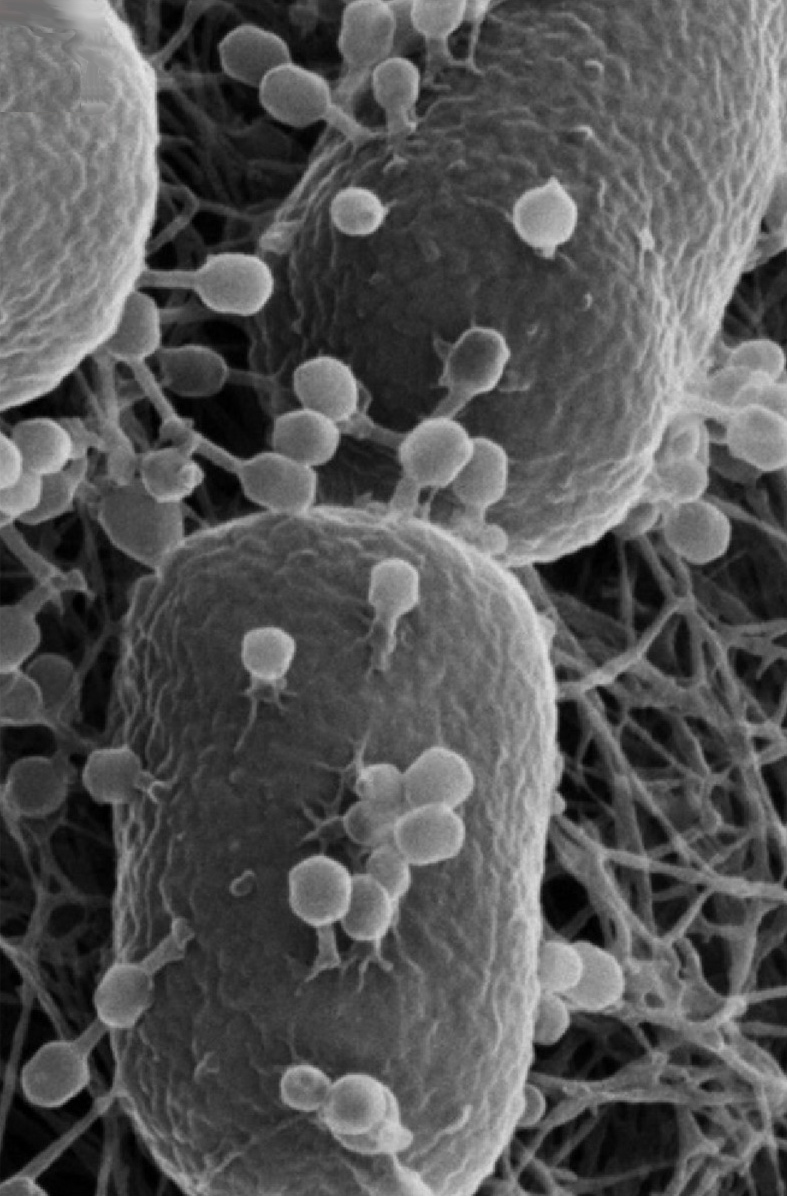
Genomic Mapping Identifies High-Risk E. coli for Vaccines
Genomic mapping reveals high-risk E. coli capsule types.
Blueprint Targets Rare Pediatric Gene Therapy Delays
New blueprint aims to accelerate approvals for rare pediatric gene therapies.
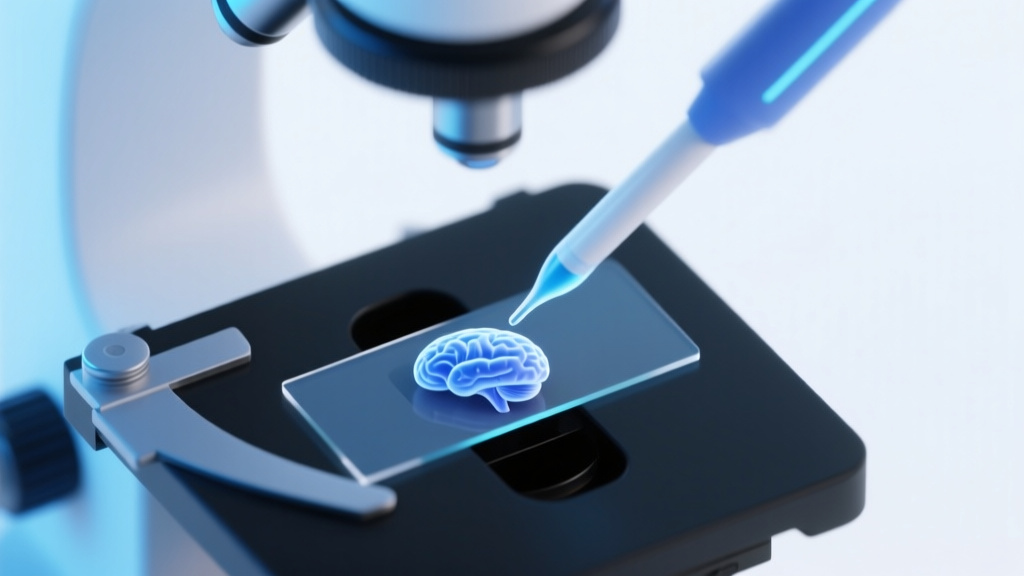
A Schizophrenia Biomarker—But How Close to Treatment?
Human biomarker study flags overactive brain circuits as a schizophrenia drug target—but clinical use remains a decade away.

FDA greenlights Hunter syndrome drug after rare disease rejections
Denali's Surnazyme treats Hunter syndrome in under 2,000 global patients.
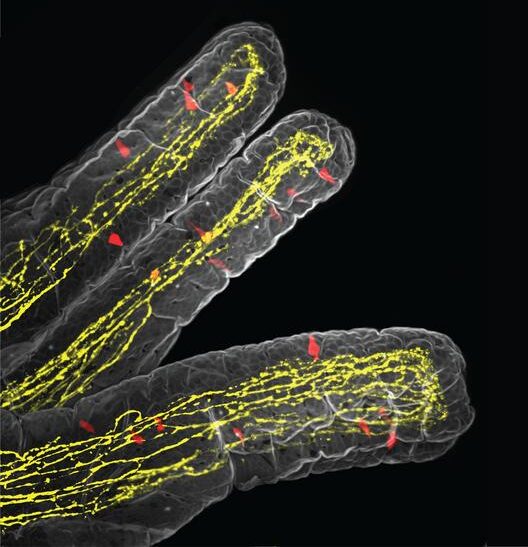
How Parasites Rewire Gut-Brain Signals to Curb Appetite
Mice infected with parasites see 50% reduced appetite
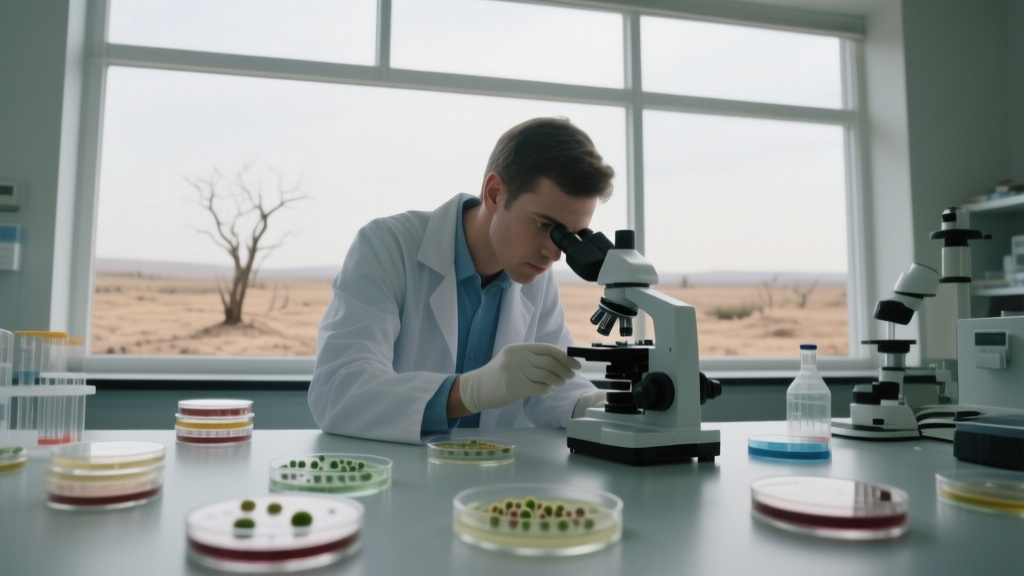
Droughts may fuel antibiotic resistance—but the link is hazy
Droughts may boost antibiotic resistance, killing 1.2M annually.
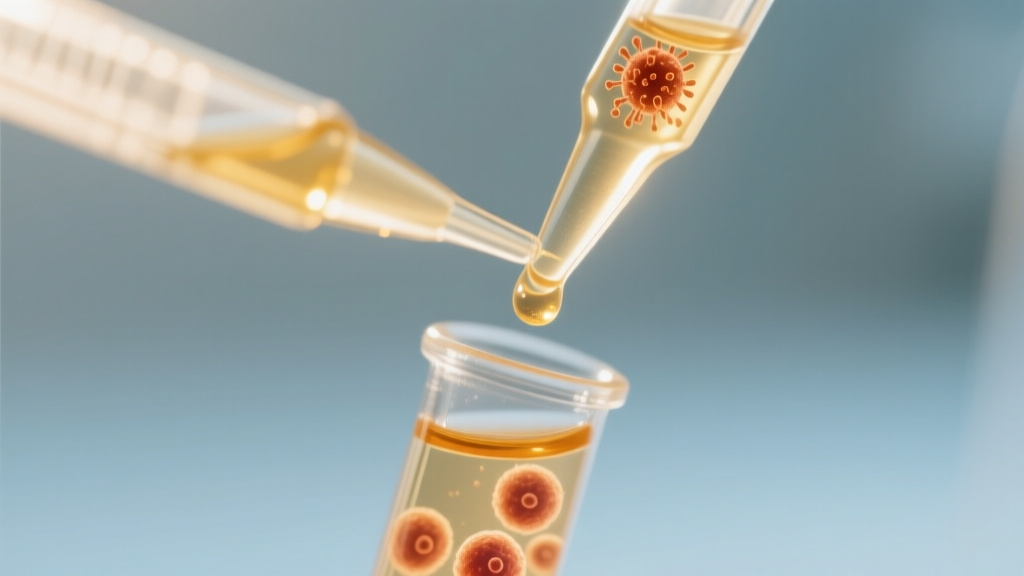
CAR-T in the body: A cautious step for myeloma patients
MSKCC's in vivo CAR-T trial shows promise for 5 myeloma patients.
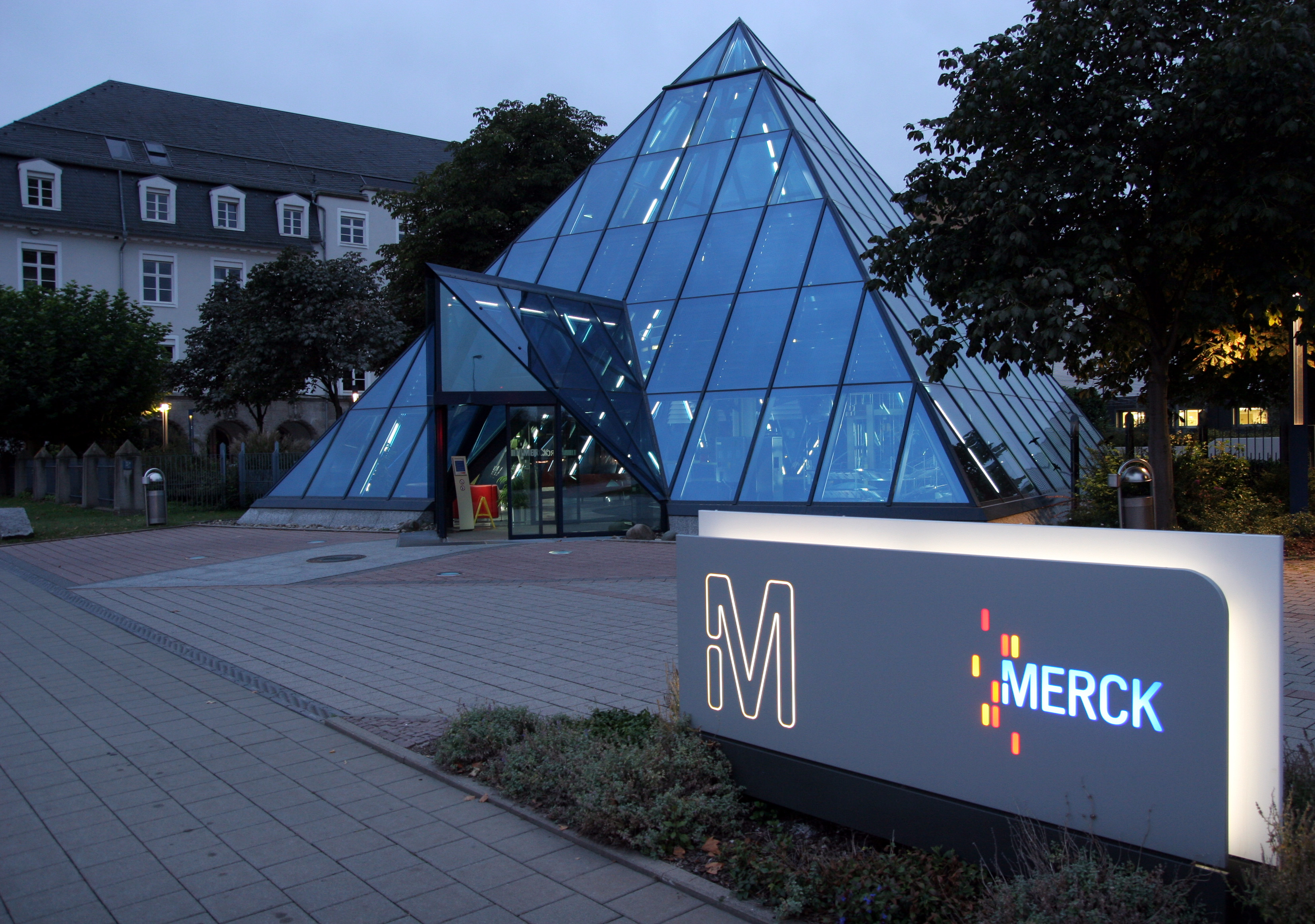
Merck’s $6.7B bet on leukemia: A pipeline play, not a cure
Merck bets $6.7B on leukemia drug
In vivo CAR-T: A faster path—or just another promise?
In vivo CAR-T trials show promise, skipping lab processing.
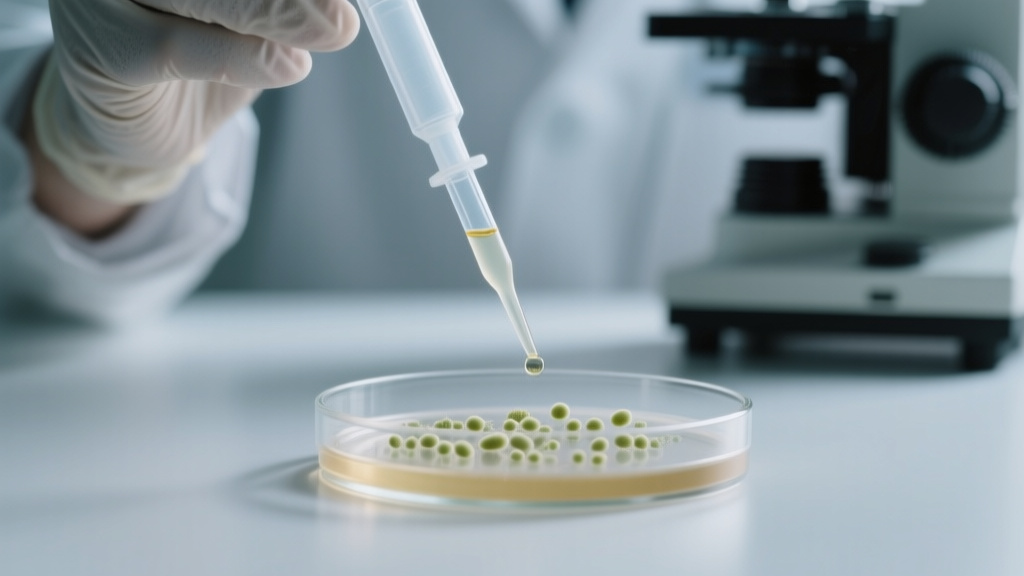
Antibiotic resistance: A host-focused defense strategy emerges
1.2 million annual deaths spark a new defense strategy
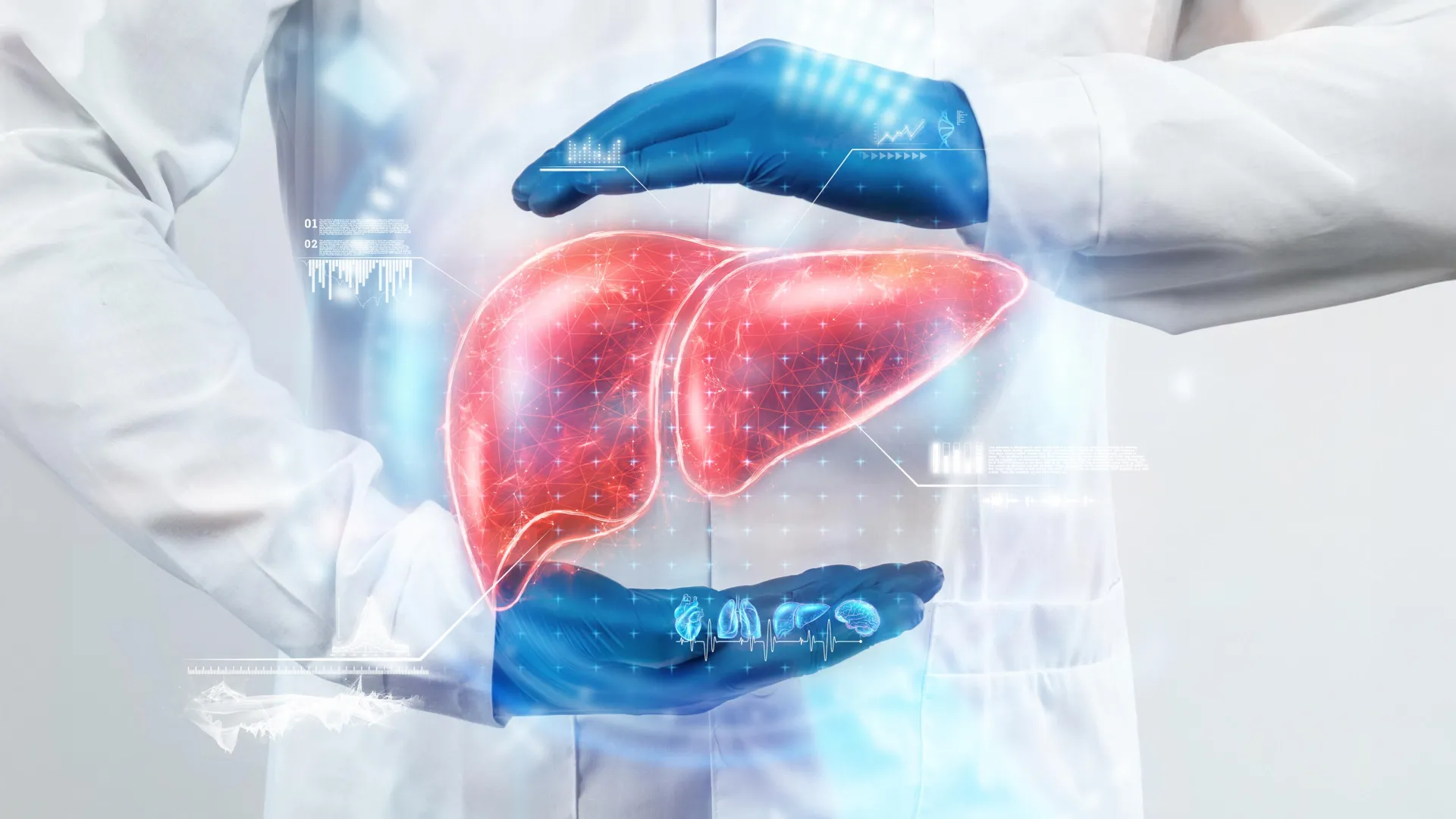
Vitamin B3’s quiet promise in the fatty liver fight
Vitamin B3 neutralizes microRNA-93, a genetic driver of fatty liver disease.
Engineered Immune Cells Target Solid Tumors via Metabolites
Solid tumors have long frustrated immunotherapy's promise.

Dual-drug obesity trial shows promise—with critical caveats
Obesity treatment may have just taken a measured step forward.
China’s hemophilia B gene therapy: A challenge to pricey drugs—with caveats
China approves Belief BioMed's $3.5M-rivalling hemophilia B gene therapy
Eczema drug cuts injections without cutting relief
Apogee's eczema drug matches Dupixent's relief with fewer injections.
Scarless Skin Healing in Mice—But What About Humans?
Mice heal scars via embryonic pathway reactivation.
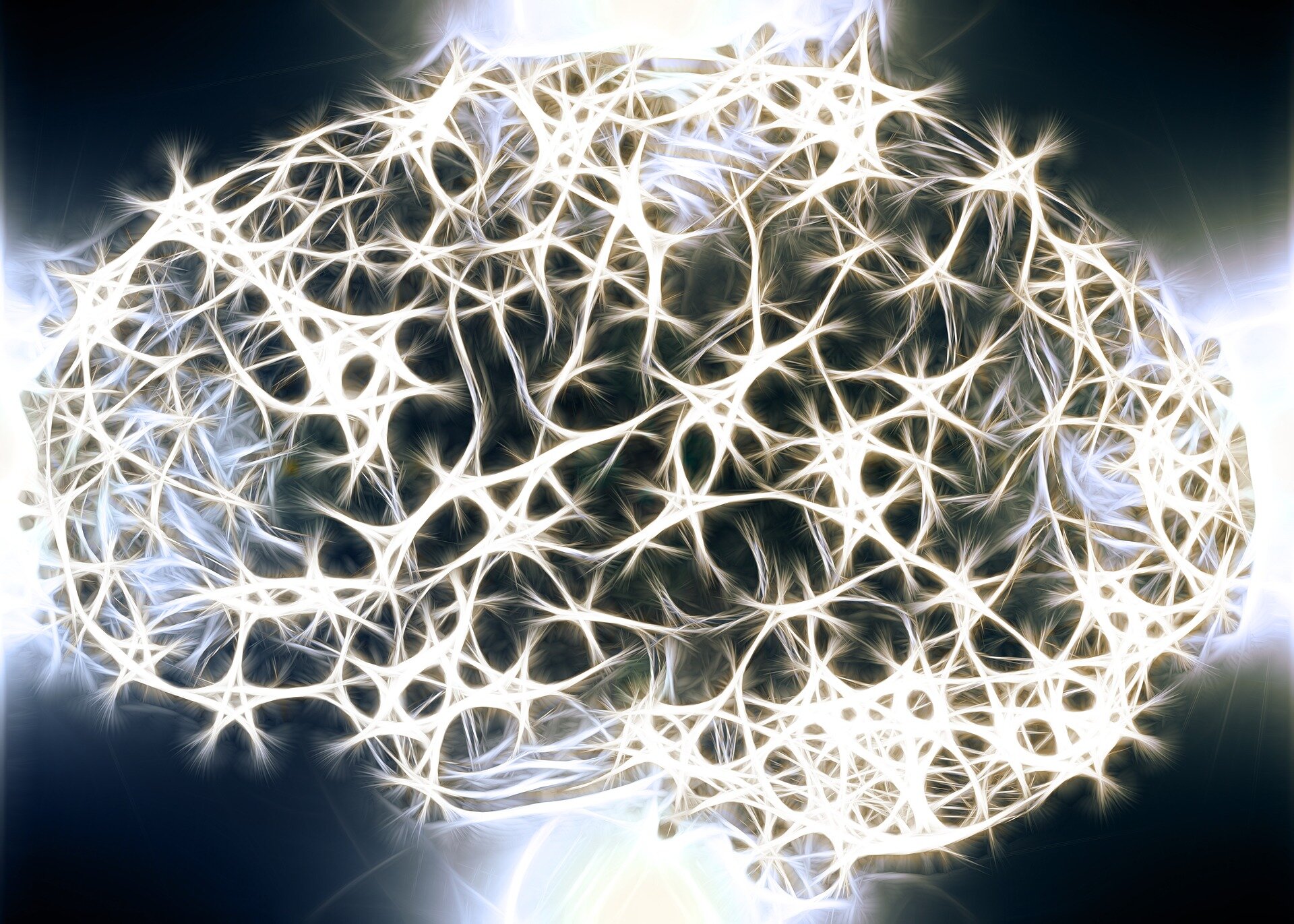
Glioblastoma’s hidden driver: CD47’s new role beyond immunity
Australia's Centre for Cancer Biology exposed CD47 as glioblastoma's growth engine, not just an immune shield, yet clinical translation stays distant.
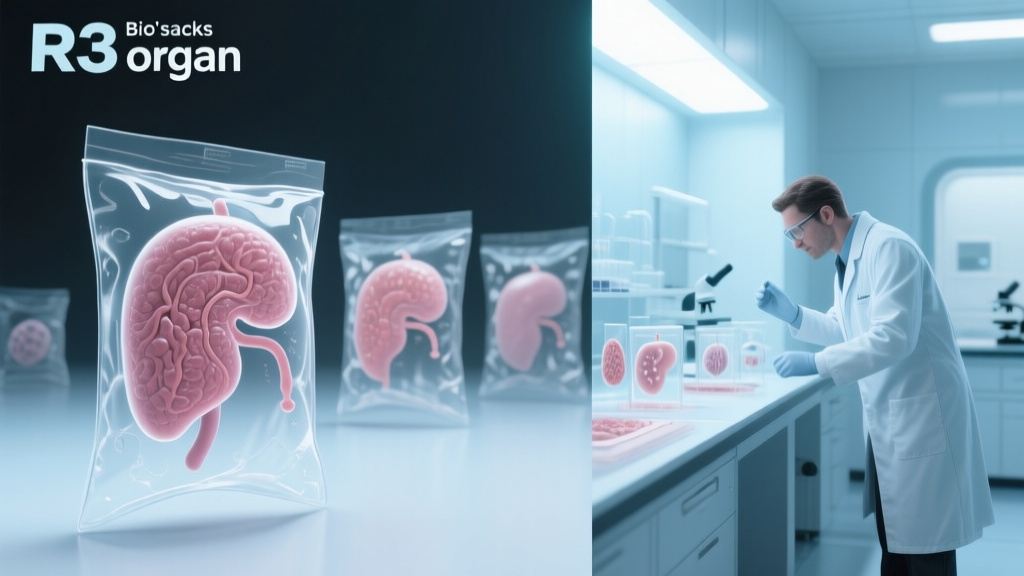
Lab-Grown ‘Organ Sacks’ Could Replace Animal Testing—But Key Hurdles Remain
The ethical and scientific quagmire of animal testing may have a new contender: genetically engineered, brainless organ systems.
Pancreatic cancer blood test: real progress with real limits
New blood test detects 90% of early-stage pancreatic cancer cases with four-marker panel.
mRNA Cancer Vaccines: What We Know, What We Don't
mRNA cancer vaccines show promise but face years of trials—progress isn’t the same as proven therapy.
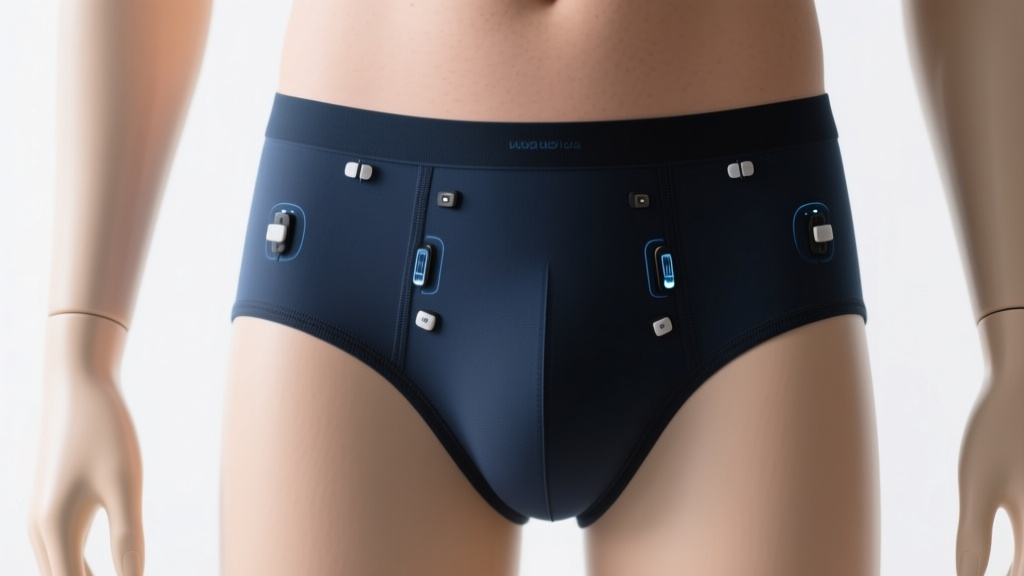
Smart Underwear Study Suggests Higher Daily Gas Counts
Smart underwear sensors reveal humans pass gas 32x daily—3x more than old estimates—reshaping gut health research.