

Gemini Live’s voice downgrade: AI progress or collateral damage?

Gemini Live’s voice downgrade: AI progress or collateral damage?📷 Published: Apr 12, 2026 at 14:29 UTC
- ★Gemini Live’s custom voices degraded after model updates
- ★User backlash signals a gap between AI hype and UX
- ★Google’s silent trade-off: performance gains vs. voice fidelity
Google’s Gemini Live was supposed to be the polished face of AI assistants—customizable voices, natural flow, the works. Now, users on Reddit and Google’s own forums report the voices sound hollow, robotic, or just off compared to earlier versions. The kicker? This isn’t a bug. It’s a feature—or rather, the fallout of Google’s relentless model iteration.
The degradation tracks with updates to the underlying Gemini models, where improvements in response accuracy or latency appear to have come at the expense of voice synthesis quality. Early signals suggest this wasn’t a deliberate design pivot but a classic case of optimizing for benchmarks over real-world feel. Voice synthesis, it turns out, is the canary in the coal mine for AI trade-offs: what looks like progress in a lab can backfire in deployment.
This isn’t just a UX hiccup. It’s a rare moment where the gap between AI marketing (‘smarter, faster, more human!’) and user experience (‘why does this sound like a 2010 GPS?’) becomes glaring. The community’s reaction—frustration bordering on betrayal—hints at a deeper issue: users notice when you break what already worked.
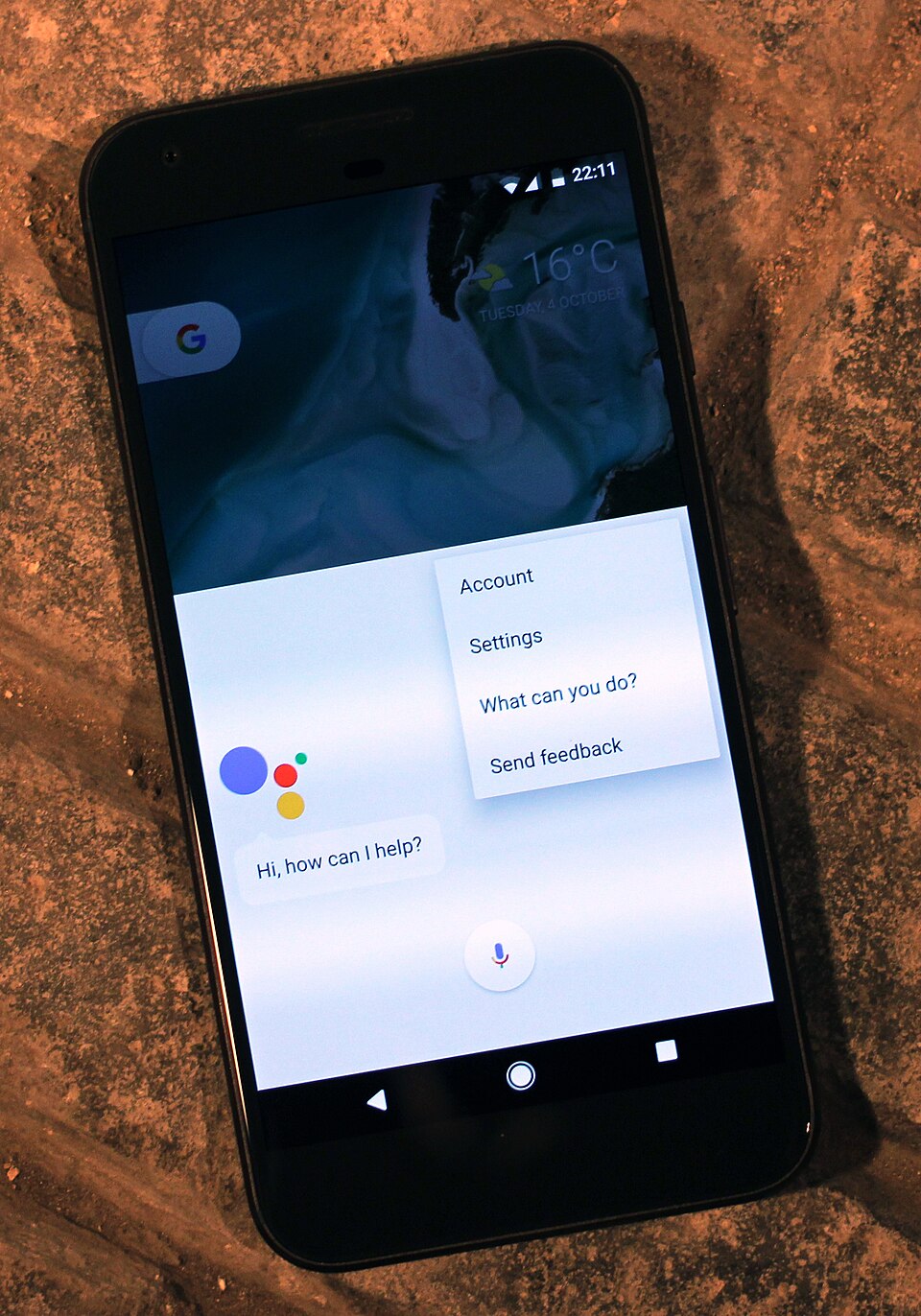
The unintended cost of ‘better’ AI models📷 Published: Apr 12, 2026 at 14:29 UTC
The unintended cost of ‘better’ AI models
The real question isn’t whether Google can fix the voices (it can) but whether it will prioritize it. Voice quality sits low on the AI hype hierarchy—no one gets a keynote slot for ‘maintaining vocal warmth.’ Yet for an assistant meant to feel alive, the degradation is a self-inflicted wound. Competitors like Apple’s rumored voice-overhaul for Siri or Amazon’s neural TTS improvements suddenly look like strategic openings.
Developers aren’t just complaining—they’re reverse-engineering the changes to understand how model updates alter synthesis. The pattern is clear: when Google chases ‘better’ models, secondary systems (like voices) become collateral. That’s a risk when your AI stack is a Rube Goldberg machine of interconnected parts.
For all the noise about ‘agentic’ AI, the actual story is simpler: progress isn’t linear. Sometimes, the next model version doesn’t just add features—it subtly breaks others. And in a market where assistants are still fighting for daily utility, a worse-sounding voice isn’t a footnote. It’s a reminder that ‘better’ is relative—and users vote with their ears.