

Lab-Grown ‘Organ Sacks’ Could Replace Animal Testing—But Key Hurdles Remain
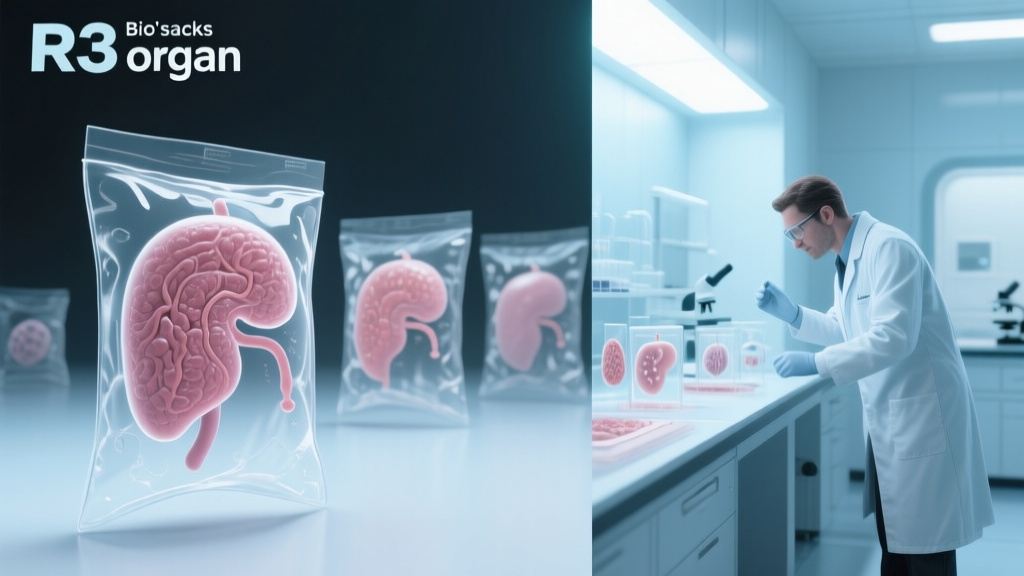
Lab-Grown ‘Organ Sacks’ Could Replace Animal Testing—But Key Hurdles Remain📷 Source: Web
- ★Billionaire-backed startup engineers brainless organ systems for testing
- ★Human versions remain a long-term goal, not a near-term reality
- ★Regulatory and scalability challenges dwarf the headline promise
The ethical and scientific quagmire of animal testing may have a new contender: genetically engineered, brainless organ systems. R3 Bio, a startup backed by billionaire funding, is developing what it calls "organ sacks"—whole organ systems designed to mimic human biology without consciousness. The ambition is clear: replace the 100 million+ animals used annually in global labs with a more ethical, potentially more predictive model.
The science, while intriguing, is still in its infancy. These are not full organs but simplified, vascularized tissue clusters—think liver or kidney analogues, stripped of neural components to avoid sentience. Early data, shared with Wired, suggests they can metabolize drugs similarly to human organs, but peer-reviewed validation is absent. The National Institutes of Health (NIH) has yet to weigh in on their reliability compared to animal models, which remain the gold standard for regulatory submissions despite their flaws.
Critically, this is not a patient-facing innovation—yet. The immediate application targets pharmaceutical toxicology screening, where animal tests are legally required but scientifically contentious. The startup’s cofounder acknowledges human versions are a "long-term goal," a phrase that in biotech often translates to a decade or more—if ever.
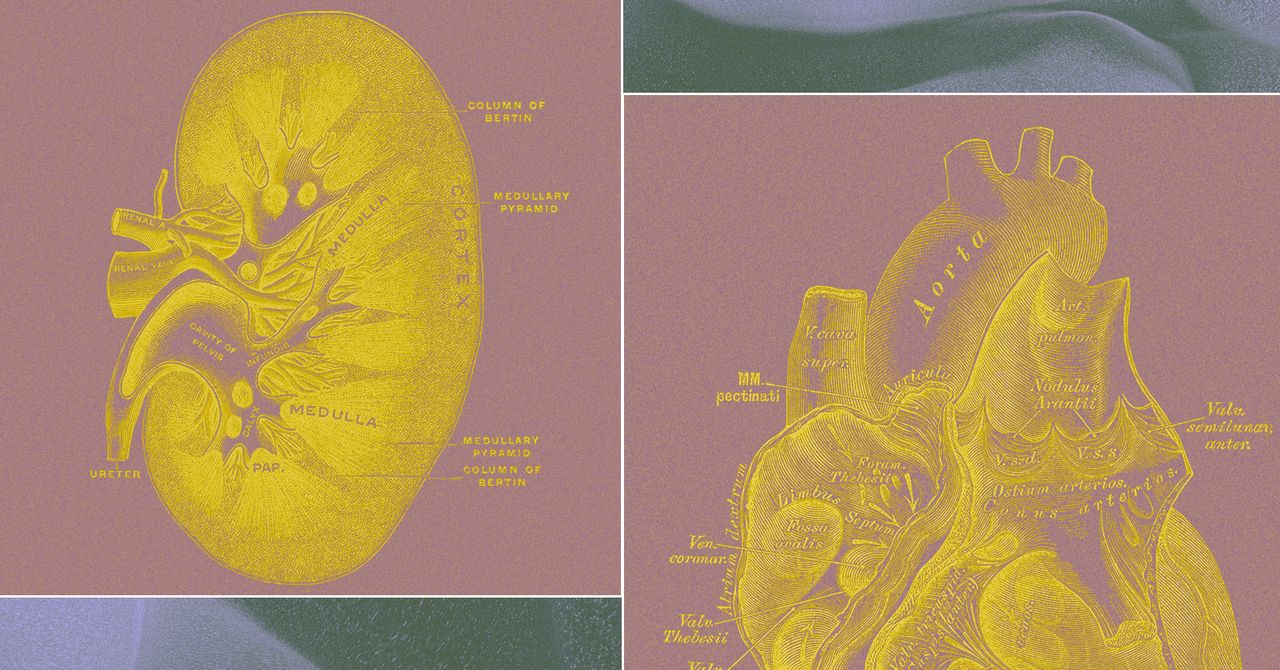
A high-stakes bet on synthetic biology—with more questions than answers📷 Source: Web
A high-stakes bet on synthetic biology—with more questions than answers
The regulatory path is the first of many steep climbs. The FDA’s 2022 guidance on alternative testing methods demands rigorous validation before replacing animal models. R3 Bio’s systems would need to prove they can replicate not just some human responses, but all critical ones—including rare, idiosyncratic reactions that animal tests sometimes catch. Scalability is another open question: growing these structures at the volume needed for industrial testing requires breakthroughs in bioreactor tech and cost efficiency.
Then there’s the biological unknown. Brainless or not, these constructs are genetically modified human tissues. The risk of unintended mutations or off-target effects—while low in controlled labs—could complicate long-term adoption. A 2023 Nature review on synthetic organoids flagged similar concerns, noting that even "simple" tissue models can behave unpredictably when scaled.
For patients, the relevance today is indirect. If these systems eventually reduce reliance on animal testing, drug development might accelerate—but that’s a chain of speculative "ifs." The more immediate impact could be on cosmetic and chemical safety testing, where ethical pressures are highest and regulatory barriers lower. Yet even there, adoption hinges on proving these "organ sacks" are better than existing in vitro models, not just morally preferable.
The responsible question isn’t whether this will replace animal testing, but how much risk regulators will tolerate in the transition. And more pressingly: What happens if these systems fail to predict a drug’s toxicity as well as—or better than—the flawed but familiar animal models?