

Vision Pro’s Struggle Reveals Apple’s Retail Reality Check
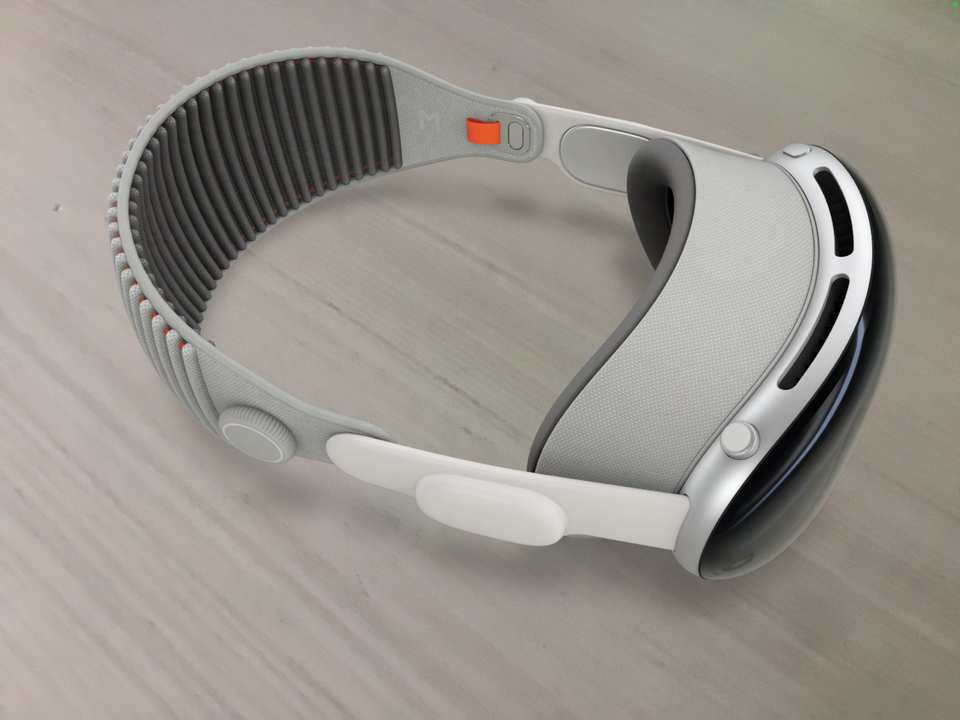
Vision Pro’s Struggle Reveals Apple’s Retail Reality Check📷 Published: Apr 12, 2026 at 04:03 UTC
- ★Apple Store staff faced Vision Pro sales stress
- ★High price and niche appeal limited demand
- ★Training gaps worsened employee frustration
Apple’s Vision Pro was supposed to herald a new era of spatial computing, but its rollout exposed a less glamorous reality: the strain on Apple Store employees. Reports confirm that staff faced heightened stress before and after the headset’s launch, as generating customer interest proved far harder than expected. The $3,499 price tag and niche use cases—like immersive video or productivity—left many shoppers skeptical, turning demo sessions into uphill battles Wired.
The problem wasn’t just the product. Employees struggled with a complex sales process, from explaining the Vision Pro’s capabilities to managing customer expectations. According to available information, Apple’s internal training may have fallen short, leaving staff ill-equipped to handle the headset’s polarizing reception. Forum discussions suggest some employees were even discouraged from aggressively pushing the device, a rare admission of caution from a company known for its sales-driven retail culture The Verge.
For a company that prides itself on seamless user experiences, the Vision Pro’s rollout was anything but. The disconnect between Apple’s polished marketing and the messy reality of retail sales highlights a broader tension: innovation doesn’t always translate to smooth adoption.
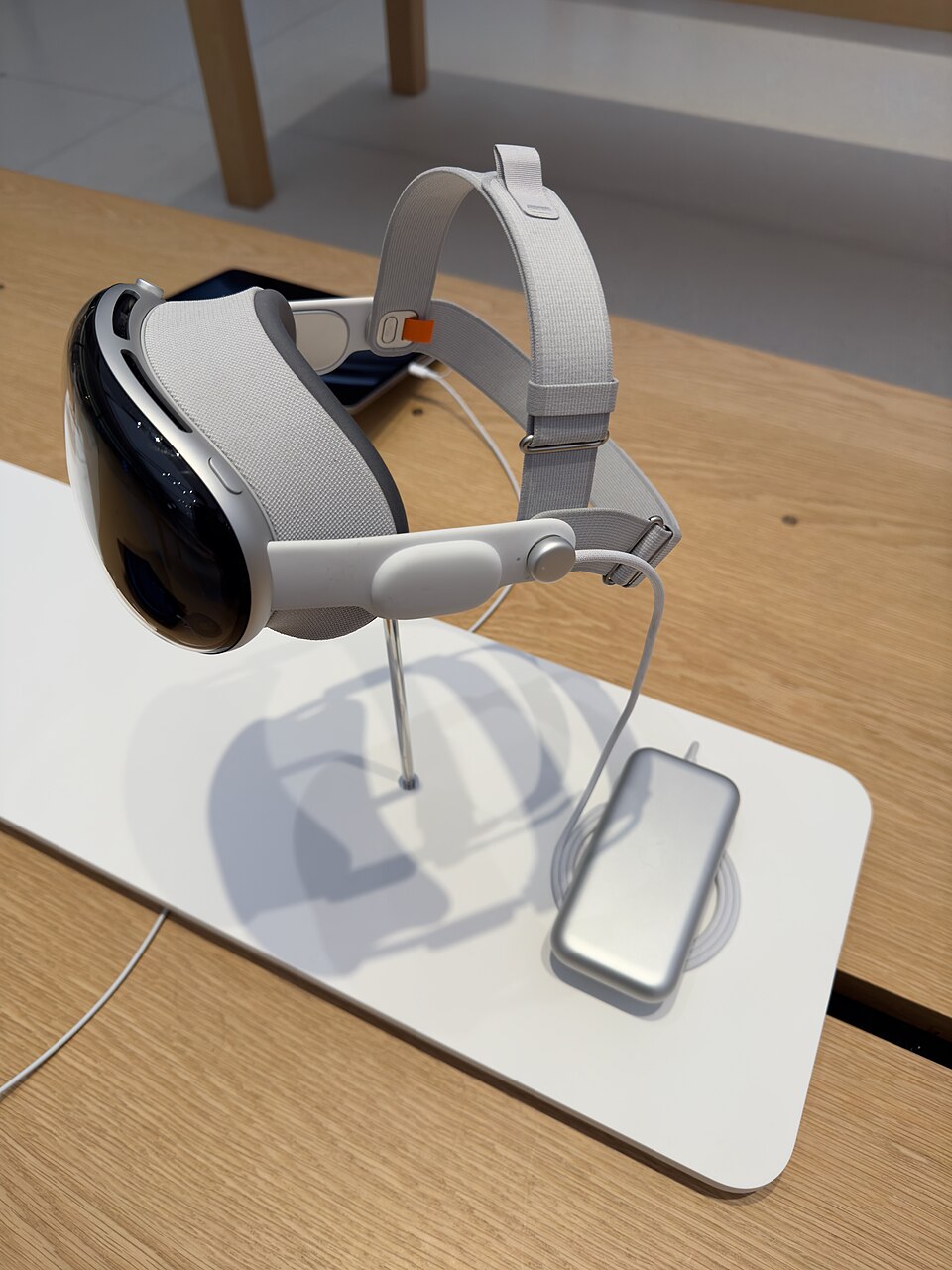
The gap between Apple’s ambitions and its retail workforce’s daily grind📷 Published: Apr 12, 2026 at 04:03 UTC
The gap between Apple’s ambitions and its retail workforce’s daily grind
The Vision Pro’s struggles offer a case study in the limits of Apple’s retail strategy. Unlike iPhones or Macs, which sell themselves through familiarity and utility, the headset requires hands-on education—a costly and time-consuming process for stores already stretched thin. Competitors like Meta have faced similar challenges with their Quest headsets, but Apple’s premium pricing and high expectations amplify the stakes. If even Apple’s retail army can’t sell the Vision Pro effectively, what does that say about the broader market for high-end AR/VR devices? Bloomberg
For users, the implications are clear: the Vision Pro isn’t a mass-market product, at least not yet. Early adopters are mostly developers, enterprise clients, or tech enthusiasts willing to overlook its flaws. The rest of the market remains unconvinced, and Apple’s retail workforce is bearing the brunt of that skepticism. The headset’s success—or failure—will depend less on its specs and more on whether Apple can bridge the gap between its ambitions and the realities of selling a $3,500 niche device.
The real bottleneck may not be the technology itself, but the infrastructure needed to support it. Apple’s retail model thrives on volume and simplicity, but the Vision Pro demands patience, expertise, and a willingness to engage with a product that doesn’t fit neatly into existing consumer habits.