

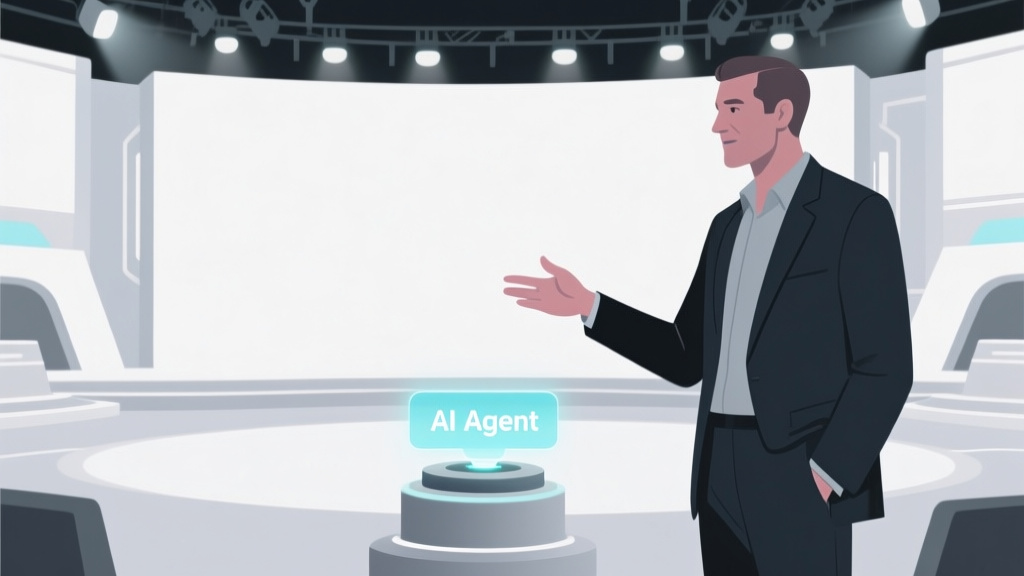
Bret Taylor’s buttonless future: AI agents vs. UI reality📷 Published: Apr 9, 2026 at 18:34 UTC
- ★AI agents framed as software’s inevitable replacement
- ★No product details, just a bold claim from Sierra’s co-founder
- ★Developer skepticism meets industry’s automation push
Bret Taylor didn’t just predict the death of buttons—he declared it over. The Sierra co-founder’s assertion in TechCrunch that AI agents will render traditional software interfaces obsolete is either a visionary leap or peak Silicon Valley hype, depending on who you ask. The claim arrives without a product roadmap, a demo, or even a loose timeline, just the kind of declarative confidence that fuels both investor excitement and developer eyerolls.
The framing is deliberate: ‘era of clicking buttons’ isn’t just about desktop apps but a metaphor for all manual interaction—mobile taps, form fills, even voice commands. Yet the current state of AI agents (glitchy, narrow, and often hallucinatory) suggests Taylor’s timeline might be more aspirational than operational. Early signals suggest Sierra (likely Sierra Space, his aerospace-turned-AI-adjacent venture) is positioning itself as a leader in autonomous workflows, but the gap between ‘agents’ and ‘products’ remains a chasm.
This isn’t the first time a tech leader has declared UIs dead—remember voice assistants or AR/VR? The difference now is the sheer capital behind AI, which turns every prediction into a self-fulfilling prophecy for funding rounds. The real question isn’t whether buttons will disappear, but whether ‘agents’ will work well enough to replace them—or if we’re just repackaging macros as intelligence.
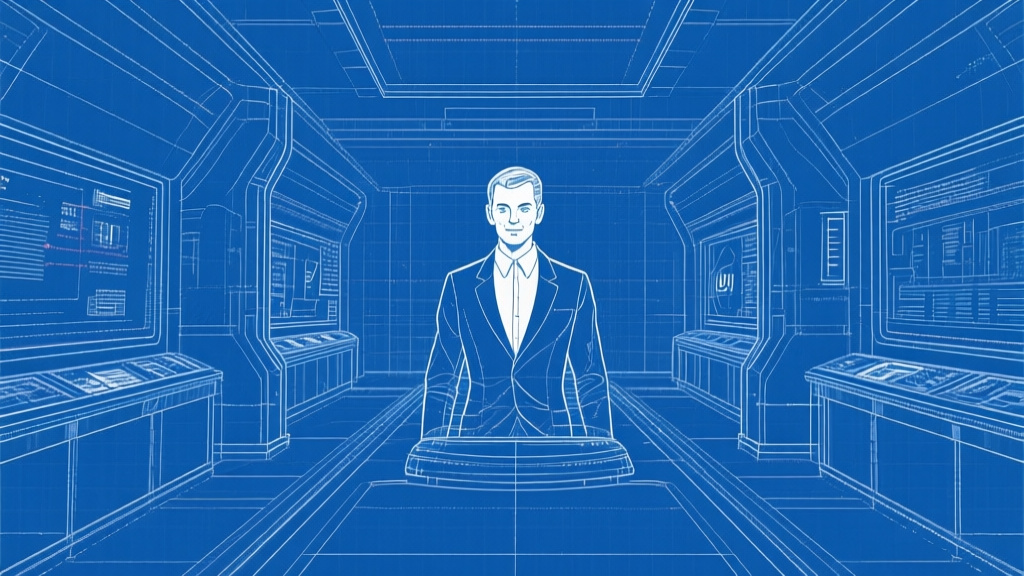
The gap between ‘era of clicking buttons’ and actual deployment📷 Published: Apr 9, 2026 at 18:34 UTC
The gap between ‘era of clicking buttons’ and actual deployment
The developer community’s response has been a mix of fatigue and cautious curiosity. On Hacker News, the consensus leans toward ‘we’ve heard this before,’ with multiple commenters noting that even GitHub Copilot—often cited as a successful AI tool—still requires heavy manual oversight. The reality gap between demo and deployment is wider than ever, and Taylor’s claim doesn’t address the mundane but critical issues: latency, error handling, or the fact that most ‘agents’ today are just RAG wrappers with a chat interface.
Industry-wise, the beneficiaries are clear: cloud providers (more agent workloads = more GPU hours), enterprise SaaS platforms (who can upsell ‘AI layers’), and, of course, Sierra itself if it ships anything. The losers? Legacy UI/UX shops and any startup betting on incremental interface improvements. But the bigger play here is narrative control—framing AI agents as inevitable shifts the Overton window, making skeptics seem outdated before the tech even arrives.
What’s missing from Taylor’s proclamation is the messy middle: the years of half-baked integrations, the compliance nightmares of autonomous agents in regulated industries, and the fact that most users still prefer a button they can see over a black box they can’t debug. The ‘era of clicking buttons’ might end someday, but it won’t be because an executive declared it so.