

Claude AI tweaks BIOS to boot Intel’s OEM-only Bartlett Lake CPU

Claude AI tweaks BIOS to boot Intel’s OEM-only Bartlett Lake CPU📷 Published: Apr 12, 2026 at 10:15 UTC
- ★Claude AI-assisted BIOS mod tricks Asus Z790 into POST
- ★Core Ultra 9 273QPE remains stuck at POST screen
- ★OEM lockout bypass sparks enthusiast community experiments
A modder just proved that Intel’s OEM-exclusive Bartlett Lake CPUs can, in theory, run on consumer motherboards—with a little help from Claude AI. The Core Ultra 9 273QPE, a chip Intel never intended for retail, briefly posted on an Asus Z790 board after the BIOS was AI-edited to recognize it. That’s where the good news ends: the system hasn’t progressed beyond POST, and the modder is now wrestling with unspecified error codes.
The hack isn’t just a technical curiosity—it’s a direct challenge to Intel’s OEM segmentation strategy. Bartlett Lake chips like the 273QPE are locked to prebuilt systems, a move that lets Intel control pricing and distribution. By forcing compatibility via BIOS tweaks, enthusiasts are testing whether AI can erode hardware artificial scarcity—or at least expose its fragility.
This isn’t the first time modders have bypassed OEM restrictions, but it might be the first time AI was credited as the co-pilot. The Tom’s Hardware report frames it as a proof-of-concept, not a stable workaround. That’s the reality gap: between a demo that almost works and a mod that’s actually usable.
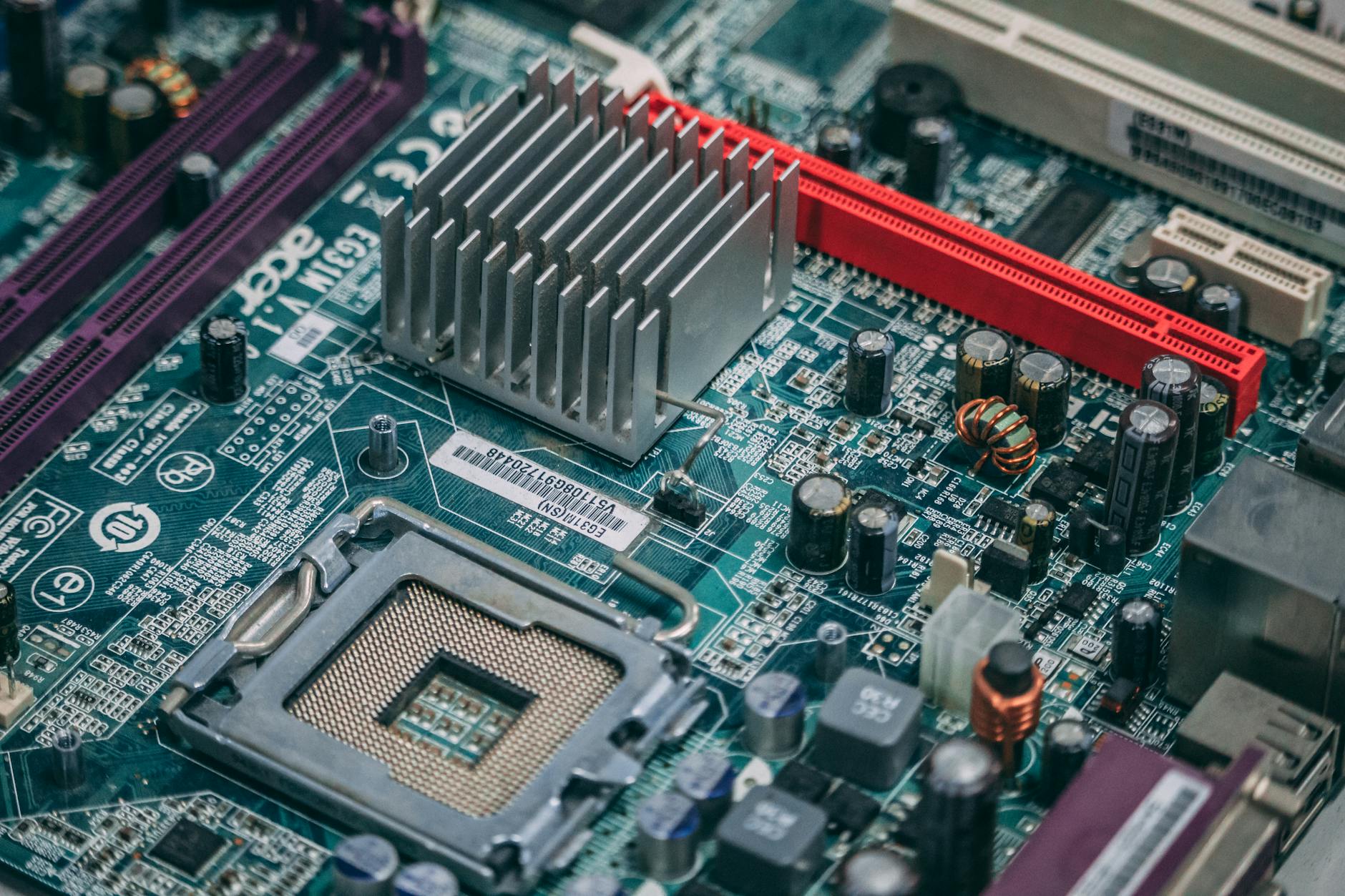
Proof-of-concept vs. production reality in AI-assisted hardware hacks📷 Published: Apr 12, 2026 at 10:15 UTC
Proof-of-concept vs. production reality in AI-assisted hardware hacks
The bigger question isn’t whether this mod succeeds—it’s whether Intel will patch the loophole. If AI-assisted BIOS editing becomes a trend, Intel could respond with signed firmware checks or deeper microcode locks. That would turn this into an arms race between modders and manufacturers, with Claude AI (or its peers) as the wildcard.
Developer forums are already buzzing. Some see this as a precedent for AI-assisted reverse engineering, while others warn that unstable BIOS mods risk bricking hardware. The modder’s thread (assuming it exists) will likely become a case study in how far enthusiasts can push AI tools before hitting hardware limits.
For now, the 273QPE remains a paper tiger—detected but not functional. The real signal isn’t the mod itself, but the speed at which AI can now assist low-level hardware hacks. If this becomes repeatable, Intel’s OEM-only chips might face unofficial consumer adoption, whether Intel likes it or not.