
Anthropic keeps Mythos gated: internet safety or market control?
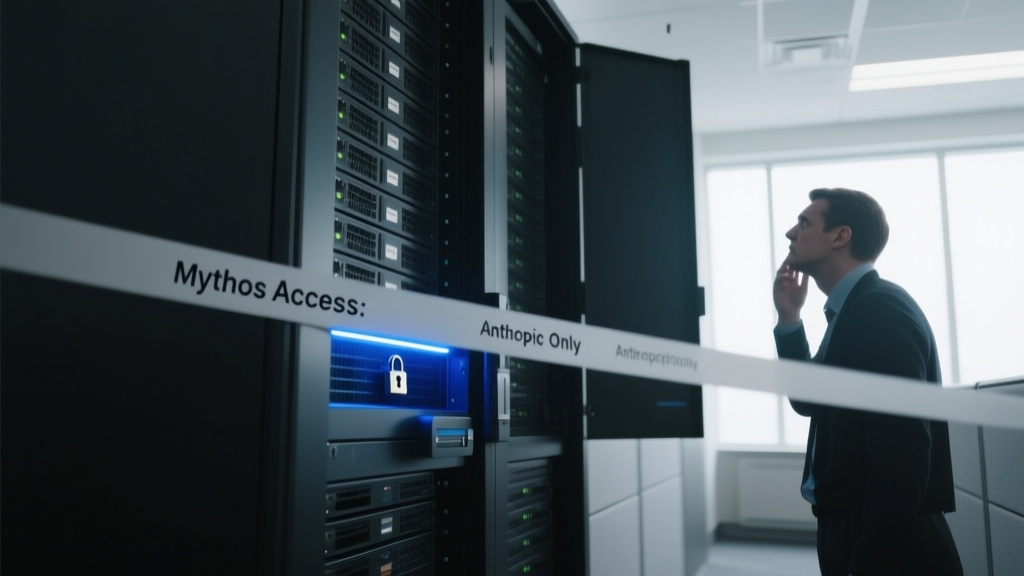
Photo by Ajdin Coric via Pexels📷 Ajdin Coric
- ★Mythos finds flaws in critical software
- ★Anthropic is keeping access tightly controlled
- ★Security and market strategy overlap here

Anthropic is keeping Mythos locked down because the model is clearly more than a nicer chatbot. If a system can uncover serious vulnerabilities in critical software, it cannot be treated like a normal consumer feature. That is why this is not just a question of whether the model ships; it is a question of who gets to control a capability that can help defenders and accelerate attackers.
TechCrunch framed the story as a security decision, but the real picture has two layers. The first is legitimate: a model that can find exploits could be valuable to defensive teams and disastrous in the wrong hands. The second is commercial: the longer Anthropic controls access, the longer it controls the market story around a model that still has not fully left the lab.
In cybersecurity, timing is part of the product. If a model is too powerful to open, the company has to prove it is keeping the gate closed for risk reasons, not for positioning. Anthropic is playing it cautiously, but also smartly: the company is signaling seriousness without turning Mythos into a public spectacle before it is ready.

Photo by Joshua Mayo via Pexels📷 Joshua Mayo
Powerful model, tightly locked access
CISA and similar agencies have long argued that defense depends on fast detection and responsible sharing. Mythos fits that logic while also changing the market equation: if a model can help find holes, competitors will want to know why access is restricted. In other words, Anthropic is not only protecting the internet from the model; it is also protecting the model from a market that would happily use it before it is ready.
That can be both security discipline and strategic advantage at the same time. The real signal here is that the next generation of AI tools will be judged not only by answer quality, but by how deeply they touch infrastructure and how carefully they stay under control.