

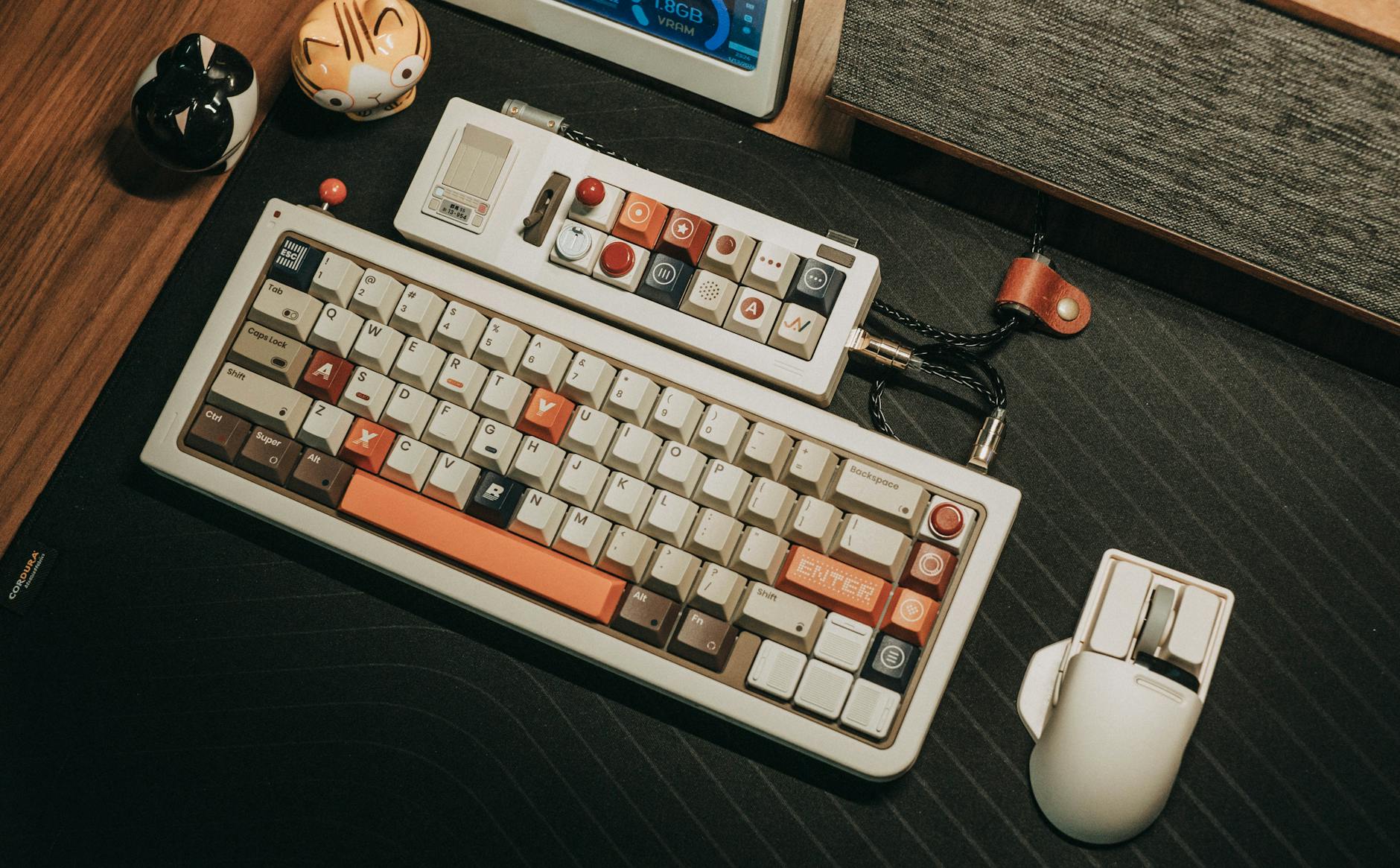
Keychron’s open-source move: DIY mods get a power-up📷 Published: Apr 11, 2026 at 24:04 UTC
- ★Free STEP files for all keyboards and mice
- ★Non-commercial use only, GitHub contributions welcome
- ★Wireless gaming gear now mod-friendly
Keychron just dropped a bomb on the mechanical keyboard scene by open-sourcing every single one of its keyboard and mouse designs—yes, even the wireless gaming models. The company’s STEP files are now free to download, though strictly for non-commercial tinkering. For a community that’s spent years frankensteining switches, cases, and keycaps, this is like handing over the blueprints to a Lego set and saying, “Go wild.”
The timing isn’t accidental. The DIY keyboard space has exploded in the last two years, with custom builds selling for hundreds on r/mechanicalkeyboards and group buys turning into month-long events. Keychron’s move removes the biggest friction point: reverse-engineering proprietary designs. Want a low-profile case for your K8? Now you can design it without guessing dimensions. Need a heavier scroll wheel for your M65? The files are right there.
But let’s be real—this isn’t just altruism. Keychron’s GitHub repo is already filling up with pull requests, and the company’s betting that community-driven mods will keep its hardware relevant longer. It’s a smart play: if players can tweak their gear instead of replacing it, they’re more likely to stick with the brand. The catch? Commercial use is off the table, so don’t expect a flood of knockoff Keychron boards on AliExpress tomorrow.
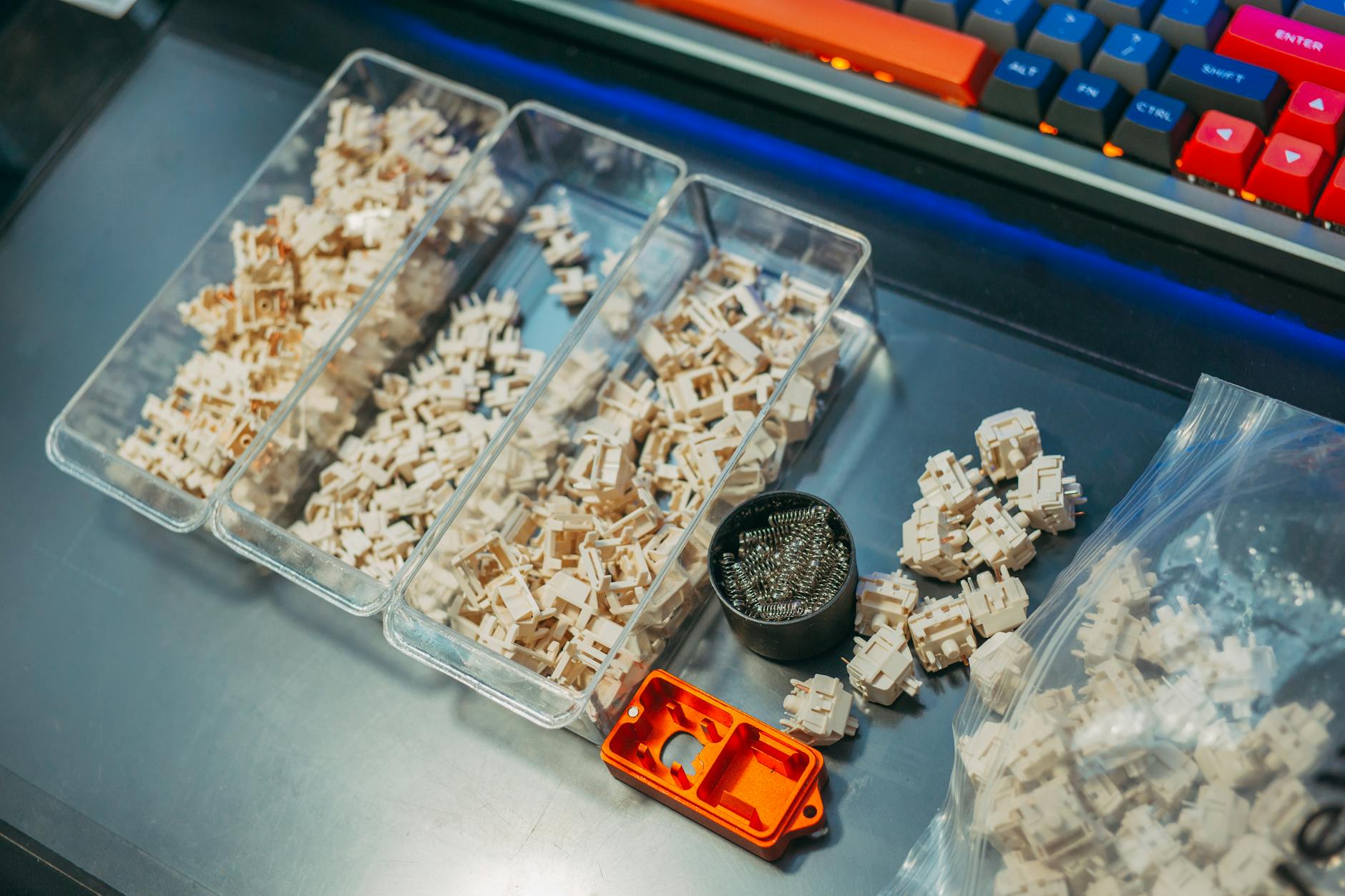
The real win isn’t just access—it’s what players build next📷 Published: Apr 11, 2026 at 24:04 UTC
The real win isn’t just access—it’s what players build next
The real question is what players will do with this freedom. Early reactions on Geekhack and r/MechanicalKeyboards suggest two camps: the practical modders and the aesthetic tinkerers. The first group is already sketching out ergonomic adjustments—think split layouts for the K14 or trackball add-ons for the Q series. The second? They’re dreaming up wild case designs, from translucent resin to woodgrain inlays, all tailored to Keychron’s existing PCBs.
There’s a risk, though. Open-source hardware has a spotty track record in the gaming world. Razer’s Project Hazel promised modularity but fizzled into vaporware, and Logitech’s G Pro X Superlight remains a closed ecosystem despite constant modding requests. Keychron’s advantage? It’s not just dumping files—it’s actively inviting collaboration. The first community-designed add-on to hit GitHub will be the real proof of concept.
For now, the biggest winners are the mid-tier builders—the ones who can’t afford a $500 custom board but don’t want to settle for off-the-shelf either. Keychron’s designs aren’t just open; they’re battle-tested, with wireless latency and battery life already optimized. That’s a rare combo: freedom without the usual trade-offs. The only limit? Your imagination (and maybe your 3D printer’s bed size).