

DarkSword exploit exposes Apple’s aging iPhone blind spot
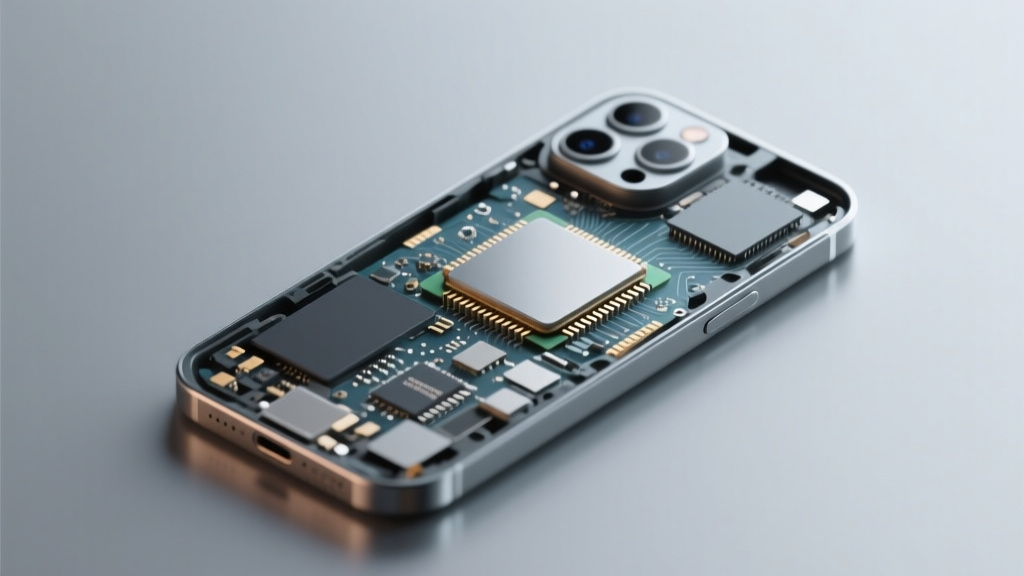
DarkSword exploit exposes Apple’s aging iPhone blind spot📷 Published: Mar 24, 2026 at 12:00 UTC
- ★Public exploit targets outdated iPhones with minimal effort
- ★Apple’s update culture leaves older devices vulnerable
- ★Security gap forces users to choose: upgrade or risk exposure
A newly public exploit called DarkSword isn’t just another security flaw—it’s a stress test for Apple’s ecosystem. The vulnerability, confirmed to target outdated iPhones, requires so little technical skill to execute that it effectively democratizes intrusion. Unlike high-profile zero-days traded among nation-states or criminal syndicates, this one is now [available to anyone](https://github.com/offset/ DarkSword-PoC) with a search engine and a grudge.
The practical impact is immediate for users clinging to older models (think iPhone 6s through 8, though exact affected devices remain unconfirmed). These aren’t niche edge cases—they’re devices still in wide circulation, often handed down to family members or used in markets where upgrades are a luxury. Apple’s long-standing support for older hardware suddenly looks like a double-edged sword: seven years of iOS updates create a false sense of security, while the reality is that unpatched vulnerabilities linger like ticking bombs.
This isn’t theoretical. Exploits like DarkSword thrive on the gap between Apple’s update policy and user behavior. The company pushes security patches aggressively, but only for devices it still officially supports. For everyone else, the message is clear: your phone isn’t just outdated—it’s now a liability.
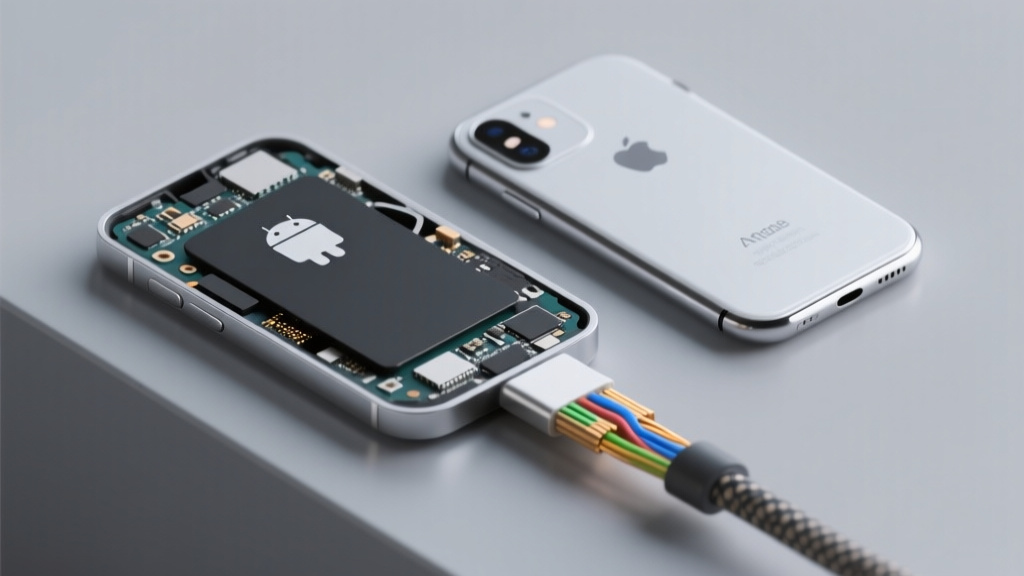
The real cost of holding onto an older iPhone just went up📷 Published: Mar 24, 2026 at 12:00 UTC
The real cost of holding onto an older iPhone just went up
The market context makes this more than an Apple problem. Android’s fragmented update system has long been criticized for leaving users exposed, but Apple’s centralized control was supposed to be the antidote. Now, the exploit underscores a harsh truth: no platform is immune to the trade-offs of longevity. The difference? Android’s risks are distributed; Apple’s are concentrated in a shrinking but still massive pool of older devices.
For developers and enterprises, the ripple effects are already unfolding. Apps targeting older iOS versions may now face pressure to drop support entirely, accelerating the obsolescence cycle. Security-conscious organizations—especially in finance or healthcare—could start blacklisting older iPhones from BYOD policies overnight. The exploit doesn’t just compromise individual devices; it erodes trust in the entire “it just works” narrative Apple sells.
The real irony? DarkSword arrives as Apple pushes its “Privacy. That’s iPhone.” campaign. The timing turns a marketing strength into a credibility test. If Apple’s response is limited to urging upgrades, it risks alienating the budget-conscious users who kept older iPhones viable in the first place. The alternative—extending security patches for legacy devices—would strain resources but might be the only way to prevent this from becoming a recurring crisis.
In other words, DarkSword isn’t just an exploit—it’s a litmus test for Apple’s priorities. The company has spent years cultivating a reputation for security through control, but control only works if it’s applied consistently. This gap reveals the tension between Apple’s environmental goals (longer device lifespans) and its security promises (only for the newest hardware).