
Meta Loses Landmark Child Safety Trial in New Mexico
Meta Loses Landmark Child Safety Trial in New Mexico📷 Published: Mar 25, 2026 at 12:00 UTC
- ★New Mexico jury finds Meta guilty of harming children
- ★Verdict signals shifting legal landscape for tech platforms
- ★Similar federal case pending in California court
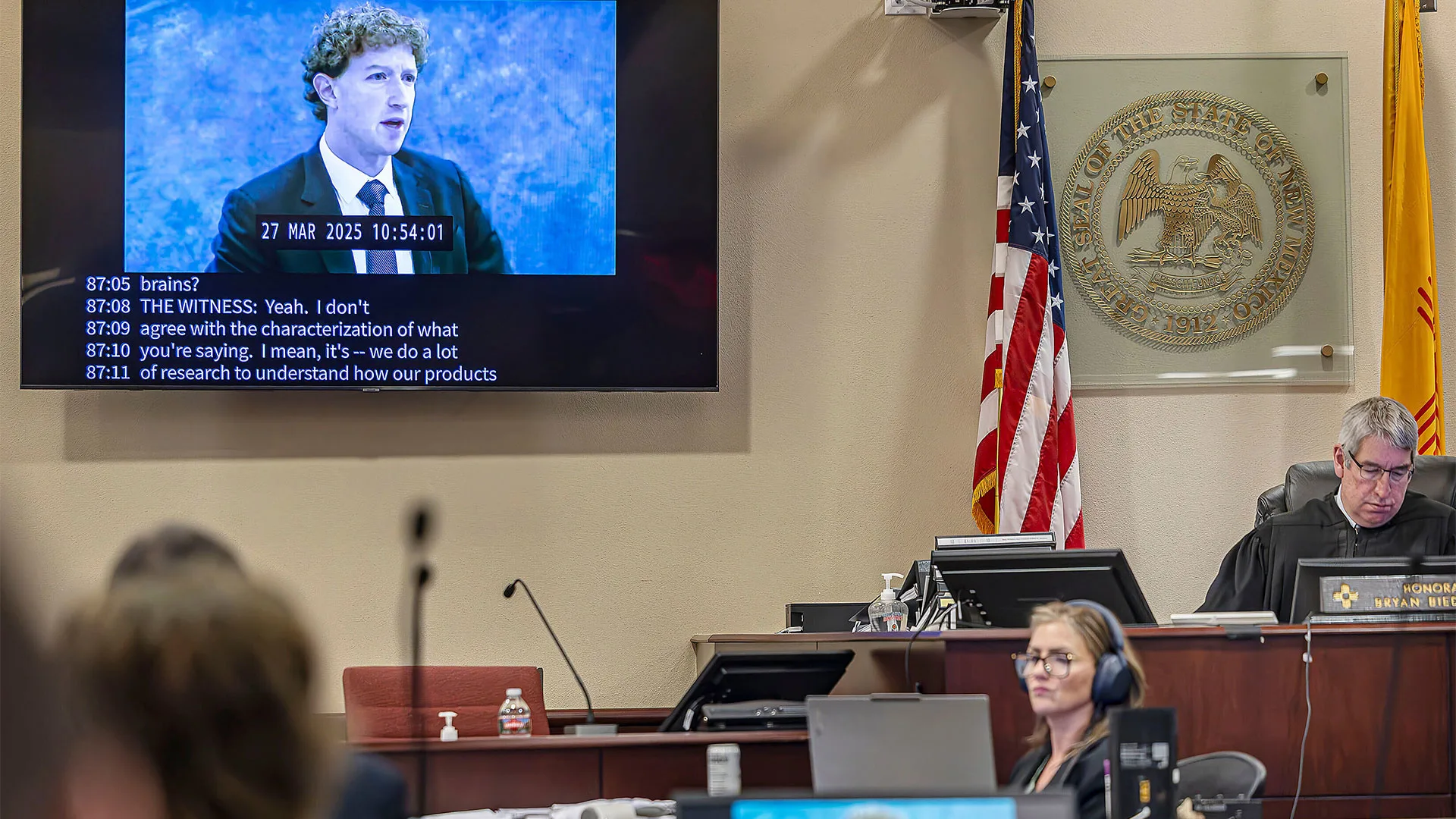
The New Mexico verdict against Meta marks a rare legal defeat for a major tech platform on child safety grounds. After nearly seven weeks of testimony, a jury determined Tuesday that Meta knowingly harmed children's mental health and concealed evidence of child sexual exploitation across its platforms—including Facebook and Instagram. The decision, which finds Meta violated New Mexico's Unfair Practices Act, represents one of the most significant legal challenges to Section 230-era platform protections.
State prosecutors successfully argued that Meta prioritized growth and ad revenue over user safety, particularly for minors. According to available information, internal documents and testimony revealed Meta understood the risks its platforms posed to young users but failed to implement meaningful safeguards. This isn't just another regulatory fine—it's a jury verdict establishing actual liability for harm, which carries far more weight than agency settlements or policy promises.
The legal tide turns against platform immunity📷 Published: Mar 25, 2026 at 12:00 UTC
The legal tide turns against platform immunity
The timing amplifies the impact considerably. Jurors in a federal California court are currently deliberating a parallel case involving Meta and YouTube, suggesting this may be the beginning of coordinated legal pressure rather than an isolated ruling. There's speculation that this verdict could signal a changing tide against tech companies and increased government willingness to crack down on platform practices that endanger minors.
For users, the practical shift may come through mandatory safety features rather than voluntary compliance. Expect more aggressive age verification, restricted algorithmic recommendations for younger accounts, and potentially costly redesigns of discovery features that currently drive engagement. Competitors like TikTok and Snapchat will be watching closely—what applies to Meta today could become industry standard tomorrow. The real signal here is that juries—not just regulators—are willing to hold platforms accountable for design choices that harm children.