
Meta's Smart Glasses Capture More Than Moments
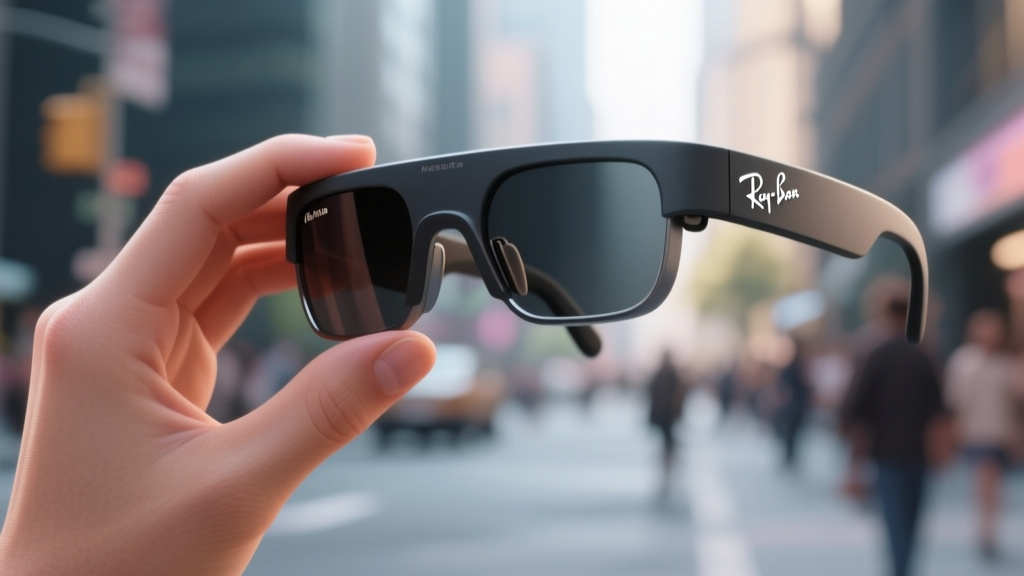
Meta's Smart Glasses Capture More Than Moments📷 Published: Mar 22, 2026 at 12:00 UTC
- ★Workers watched bathroom footage from glasses
- ★Meta accused of concealing privacy violations
- ★Wearable surveillance raises trust questions
Meta finds itself in familiar hot water, but the temperature is different this time. Workers reviewing footage from Ray-Ban Meta smart glasses reportedly watched videos of people using bathrooms—captured by users wearing the device in private settings. The company now faces accusations of "concealing the facts" about its privacy protections, according to Ars Technica. This isn't a data breach. It's a fundamental tension between what these devices promise—seamless, hands-free capture—and what they actually normalize: surveillance without consent. The practical impact hits immediately. Every Meta wearable now carries a trust deficit that no software update can patch. The incident reveals gaps in how the company trains and monitors workers with access to sensitive footage. For a product line built on capturing life's moments, the irony writes itself.
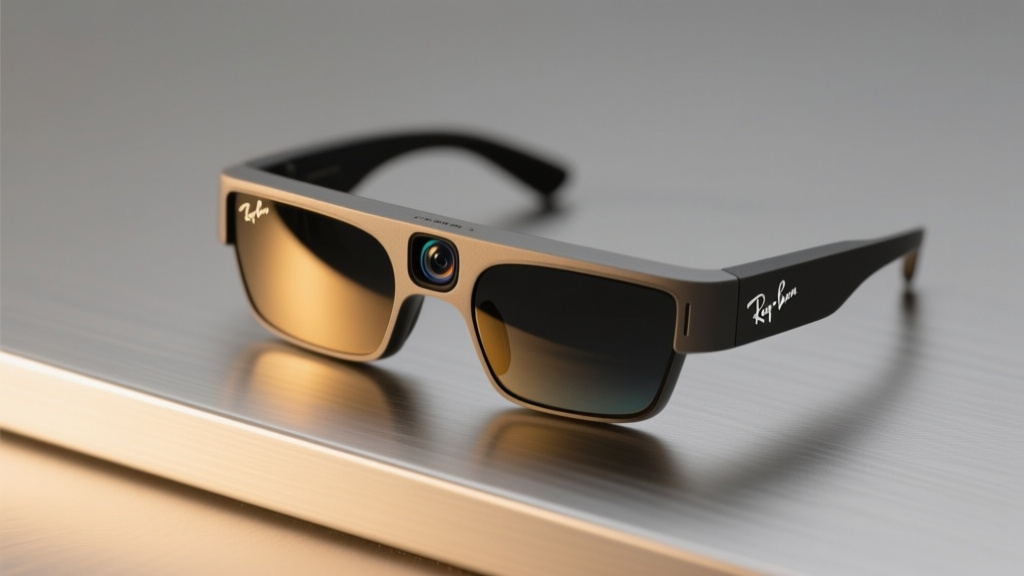
When convenience becomes complicity📷 Published: Mar 22, 2026 at 12:00 UTC
When convenience becomes complicity
The market context matters here. Meta and Ray-Ban positioned these glasses as a lifestyle accessory—fashion meets function. Instead, they've highlighted a user reality that spec sheets ignore: the person behind the camera matters more than the camera itself. Second-order effects will likely include regulatory scrutiny and developer hesitation. Why build for a platform users might abandon after the next privacy headline? Community reaction has been swift, with users questioning whether any wearable camera can be trusted in private spaces, as The Verge coverage reflects. The real bottleneck isn't technical capability—it's social acceptance. And that just became significantly harder to earn. The broader ecosystem of AI-adjacent hardware, from smart rings to AR headsets, now faces the same uncomfortable question: who's watching the watchers? For an industry betting on wearables as the next platform, this is precisely the kind of friction that slows adoption to a crawl.