

Self-Doxing Raves Turn Digital Safety Into a Dance Floor

Self-Doxing Raves Turn Digital Safety Into a Dance Floor📷 Published: Apr 10, 2026 at 22:06 UTC
- ★Trans Day of Visibility gets a security reboot
- ★NYC event blends partying with online privacy
- ★Self-doxing reframes visibility as risk management
Last month, a New York warehouse hosted an unusual party: part rave, part digital self-defense workshop. Organized by 404 Media, the "Self-Doxing" Rave timed itself to Trans Day of Visibility—but instead of amplifying voices, it focused on making them harder to find. Attendees danced, DJed, and learned techniques to scrub their online footprints, turning a celebration of identity into a lesson in operational security.
The term "self-doxing" flips the script on a word usually tied to harassment. Here, it describes a deliberate act: trans individuals sharing personal details on their own terms, then immediately mitigating the risks. Workshops reportedly covered VPN usage, social media privacy settings, and even how to archive or delete old posts without erasing visibility entirely. The approach recognizes that for marginalized groups, digital safety isn’t just about hiding—it’s about control.
What makes this event notable isn’t just its timing—it’s how it merges community care with practical tech skills. The rave format, typically a space for uninhibited expression, became a training ground for harm reduction. The message: visibility is a choice, not an inevitability, and tech tools are just as important as glitter and basslines.
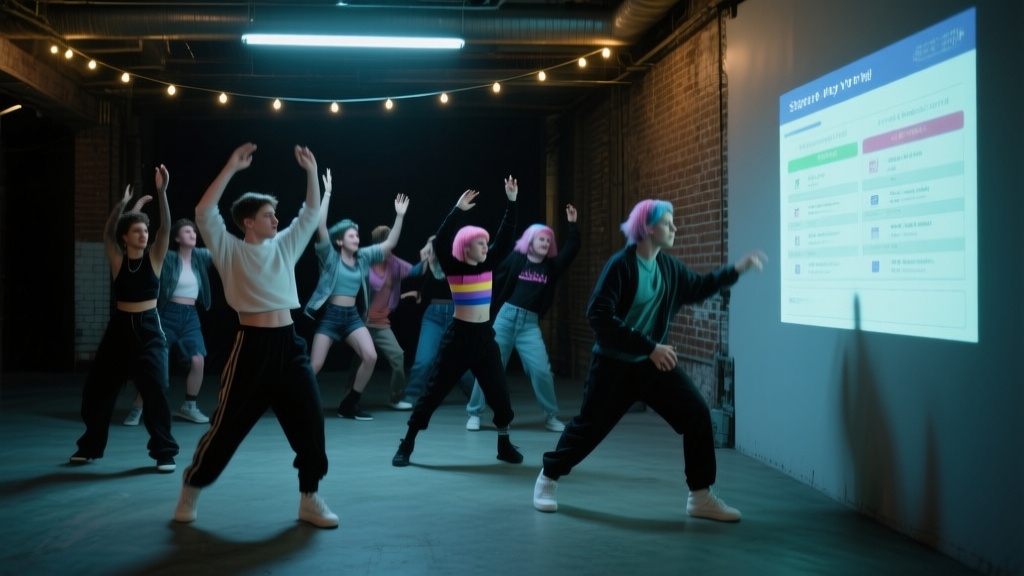
How a night out became a masterclass in staying safe online📷 Published: Apr 10, 2026 at 22:06 UTC
How a night out became a masterclass in staying safe online
The real test of this model will be whether it scales beyond a one-off event. Trans communities have long self-organized digital safety resources, but few have framed it as a social experience. The "Self-Doxing" Rave’s innovation lies in its user reality: it treats online safety not as a dry checklist, but as something to be practiced collectively, with beer in hand.
For tech platforms, this event should serve as a wake-up call. Mainstream tools—Twitter’s blue checks, Instagram’s close friends lists, even Google’s privacy dashboard—are designed for broad audiences, not the specific threats faced by trans users. Grassroots efforts like this rave highlight the gap between what’s available and what’s actually useful for high-risk groups. The demand is clear: security that fits into a night out, not just a settings menu.
The market context here is telling. While Signal and ProtonMail pitch themselves as privacy solutions, they’re not built for the nuanced needs of marginalized communities—where safety sometimes means selective visibility, not total anonymity. The rave’s approach suggests a new category of tools: privacy-as-a-party, where learning is as important as dancing. Who will build it—activists, startups, or Big Tech—remains an open question.