

AI’s broken promise: Workers don’t trust the transition plan

AI’s broken promise: Workers don’t trust the transition plan📷 Published: Apr 12, 2026 at 08:09 UTC
- ★60-country survey reveals AI distrust among at-risk workers
- ★Neither companies nor governments pass the fairness test
- ★The gap between AI hype and worker reality widens
A 60-country survey from Rest of World didn’t just confirm what everyone suspected—it quantified the collapse of trust. Over half of workers facing AI-driven job displacement don’t believe their employers or governments will handle the transition fairly. That’s not skepticism; that’s a systemic failure of credibility, and it arrives just as corporate AI rollouts hit escape velocity.
The numbers land like a cold compress on the ‘AI will uplift everyone’ narrative. Workers aren’t just anxious about obsolescence; they’re convinced the institutions steering this shift have no plan beyond press releases. Previous surveys hinted at unease, but this is the first time distrust has been mapped at scale—across continents, industries, and income brackets.
What’s missing? A single credible example of AI transition done right. Instead, we get vague reskilling pledges from companies whose layoff announcements still lead with ‘efficiency gains.’ The hype cycle demands faith in unseen benefits; workers are demanding receipts.
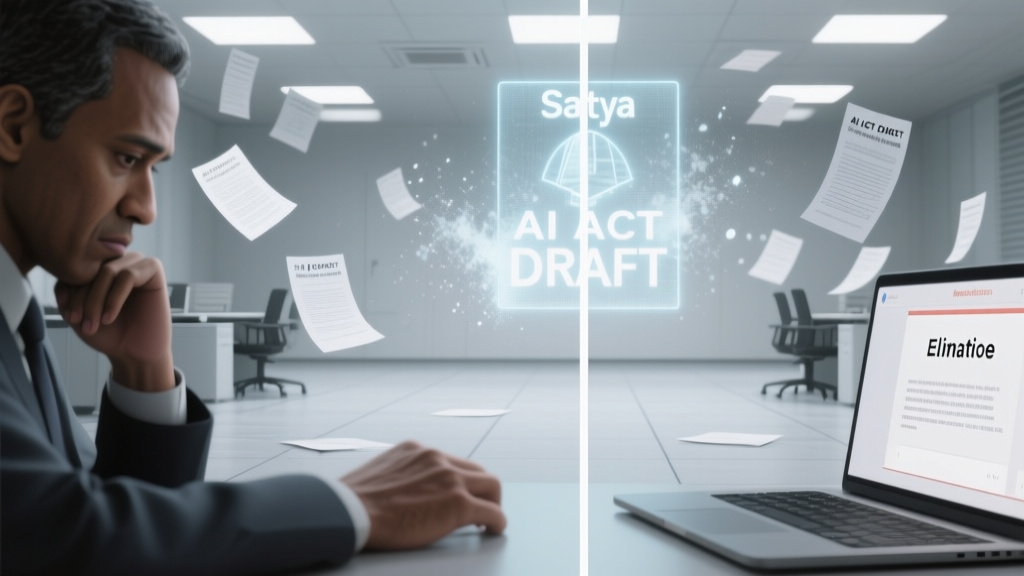
Trust isn’t a feature you can backport later📷 Published: Apr 12, 2026 at 08:09 UTC
Trust isn’t a feature you can backport later
The real signal here isn’t just distrust—it’s the absence of a counter-narrative. When Microsoft’s Satya Nadella frames AI as a ‘co-pilot,’ workers hear ‘co-conspirator in my redundancy.’ Governments, meanwhile, are stuck in pilot programs and task forces while deployment outpaces policy. The EU’s AI Act is the closest thing to a framework, but its worker protections remain aspirational.
Developers aren’t blind to this. GitHub threads and Hacker News discussions increasingly treat AI ‘productivity tools’ as trojan horses for headcount reduction. The community’s reaction isn’t anti-AI—it’s anti-bullshit. They’re building the tools but pushing back on how they’re sold.
For all the noise about ‘responsible AI,’ the actual story is simpler: no one’s convinced the people writing the algorithms have their backs. The trust gap isn’t a bug; it’s the product working as designed.