
AI bosses are real—but not for the reasons you think

A sleek metallic steamroller actively crushing a three-dimensional corporate organizational chart into a perfectly flat geometric line. Rendered as📷 Photo by Tech&Space
- ★15% of Americans open to AI managers
- ★AI flattens orgs, but middle managers aren't gone
- ★The 'Great Flattening' is more hype than revolution
Fifteen percent of Americans say they’d work for an AI boss, according to a TechCrunch report. That’s not zero, but it’s also not the seismic shift the headline suggests. The real story here isn’t some brave new world of algorithmic leadership—it’s the quiet reshuffling of power in corporate hierarchies, where AI isn’t replacing managers so much as redistributing their work.
Call it 'The Great Flattening,' if you must. The term has a nice ring to it, evoking images of lean, efficient org charts where decisions flow seamlessly from chatbot to employee. But the reality is messier. AI isn’t eliminating middle management; it’s automating the parts of their jobs that humans find tedious—approving expenses, scheduling shifts, or triaging low-level requests. The strategic, political, and interpersonal work? That’s still very much in human hands.
What’s genuinely new here isn’t the technology, but the packaging. AI-driven management tools have been around for years—remember IBM’s Watson touted as a corporate coach back in 2016? The difference now is the framing: instead of selling AI as a productivity tool, vendors are selling it as a replacement for human oversight. That’s a harder sell, but it’s one that resonates with cost-cutting executives and investors who’ve been trained to see labor as the enemy of efficiency.
TechCrunch’s report cites early adopters like Walmart and Unilever, where AI handles scheduling and performance tracking. But zoom out, and the picture gets fuzzy. Are these tools actually removing layers of management, or just shifting the burden of oversight from humans to software—and, by extension, to the engineers and data scientists maintaining those systems?
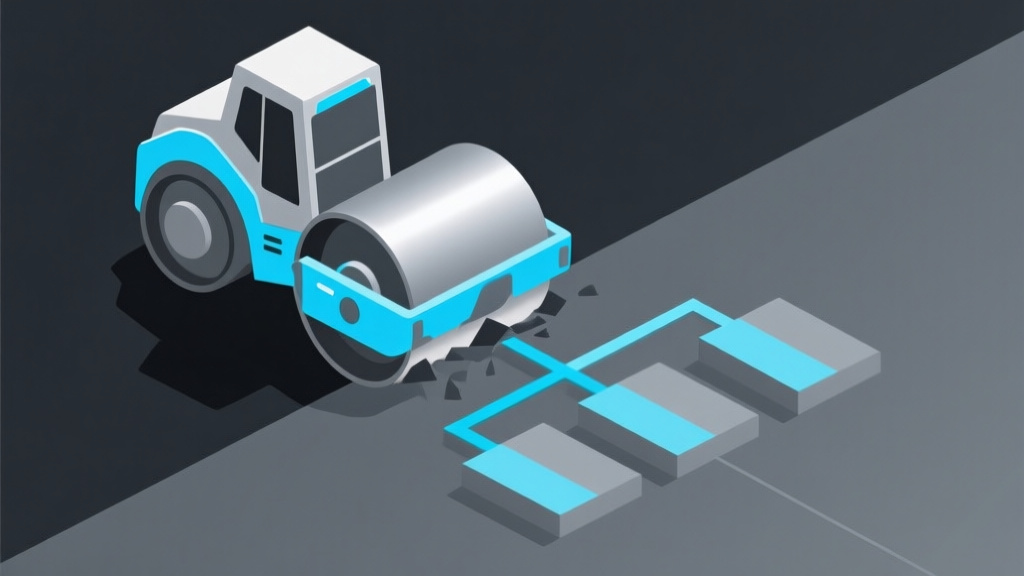
The real bottleneck isn’t AI—it’s humans who won’t let go of control📷 Photo by Tech&Space
The real bottleneck isn’t AI—it’s humans who won’t let go of control
The hype filter here is simple: AI bosses aren’t bosses. They’re glorified task managers with a chat interface. The moment a decision requires nuance—handling a sensitive employee issue, negotiating a promotion, or adapting to a sudden market shift—the AI punts back to a human. That’s not flattening; it’s outsourcing the boring parts of management while keeping the messy, high-stakes work firmly in human hands.
Who actually wins in this scenario? Not employees, who now answer to a system that can’t understand context or empathy. Not managers, who are still on the hook for the work the AI can’t handle. The real beneficiaries are the companies selling these tools, and the executives who can point to AI as a cost-saving measure while quietly retaining control over the levers that matter.
The developer signal is telling. GitHub repos for AI-driven HR tools show a flurry of activity around narrow, quantifiable tasks—time tracking, shift scheduling, performance metrics. But there’s almost no open-source movement around the parts of management that require judgment, creativity, or emotional intelligence. That’s not a coincidence; it’s a limitation of the technology.
Walmart’s MyAssistant and Unilever’s AI tools are often cited as success stories, but dig into the fine print, and you’ll find that their scope is strictly limited. They’re not replacing managers; they’re augmenting them—just like spreadsheets, email, and every other 'revolutionary' productivity tool before them.
For all the noise about the end of middle management, the actual story is this: AI is handling the parts of the job humans never liked doing anyway. The rest? That’s still ours to mess up.