
Nuclear power’s AI shortcut: Microsoft and Nvidia rewrite the timeline
Nuclear power’s AI shortcut: Microsoft and Nvidia rewrite the timeline📷 Published: Mar 26, 2026 at 06:17 UTC
- ★Generative AI meets nuclear permitting in high-stakes energy pivot
- ★Digital twins compress decades of reactor design into simulations
- ★AI data centers now driving nuclear’s operational urgency
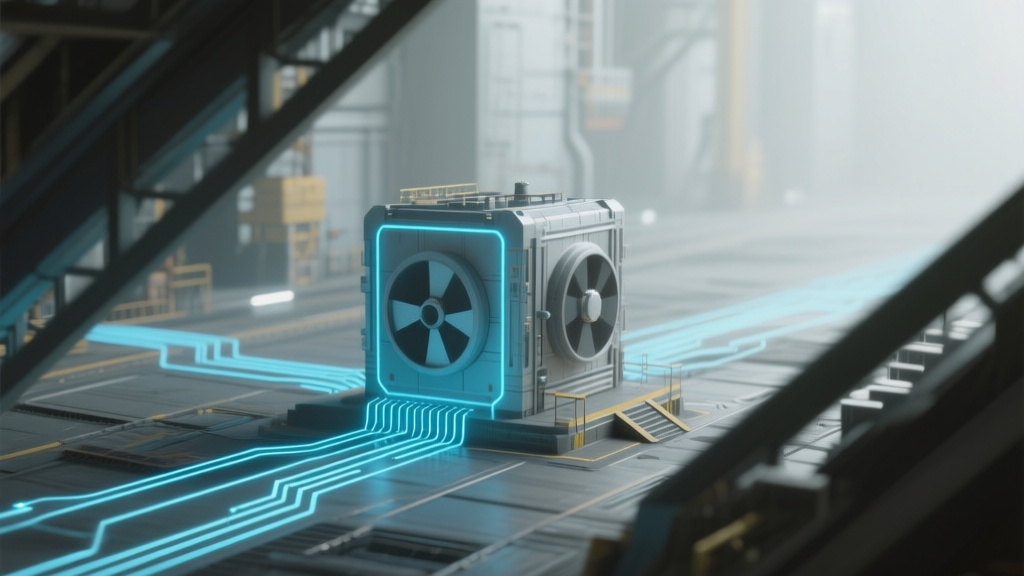
The bottleneck for next-generation energy isn’t fission physics—it’s paperwork. Microsoft and Nvidia’s new partnership targets the decades-long permitting and construction logjams that have stymied nuclear expansion, even as AI data centers demand terawatt-scale power. By embedding generative AI into Nvidia’s Omniverse—a platform already used for digital twin simulations of everything from factories to cities—the collaboration aims to collapse timelines for reactor siting, safety reviews, and operational licensing.
This isn’t about reinventing reactors. It’s about treating nuclear plants as high-fidelity computational models long before ground is broken. Generative AI could auto-populate environmental impact statements, stress-test designs against regulatory scenarios, or even preemptively flag permitting conflicts—tasks that currently consume years of human labor. The U.S. Nuclear Regulatory Commission’s average licensing timeline for new reactors hovers around five years; simulation-driven iterations might cut that by 30–50%, according to early industry estimates.
The urgency isn’t theoretical. AI workloads already account for ~4% of global electricity demand, a figure projected to triple by 2026. Microsoft’s own 2023 sustainability report flags energy constraints as a top risk to cloud expansion. Nuclear, with its baseload stability, is the obvious—but historically slow—solution.
The quiet acceleration of a historically glacial industry📷 Published: Mar 26, 2026 at 06:17 UTC
The quiet acceleration of a historically glacial industry
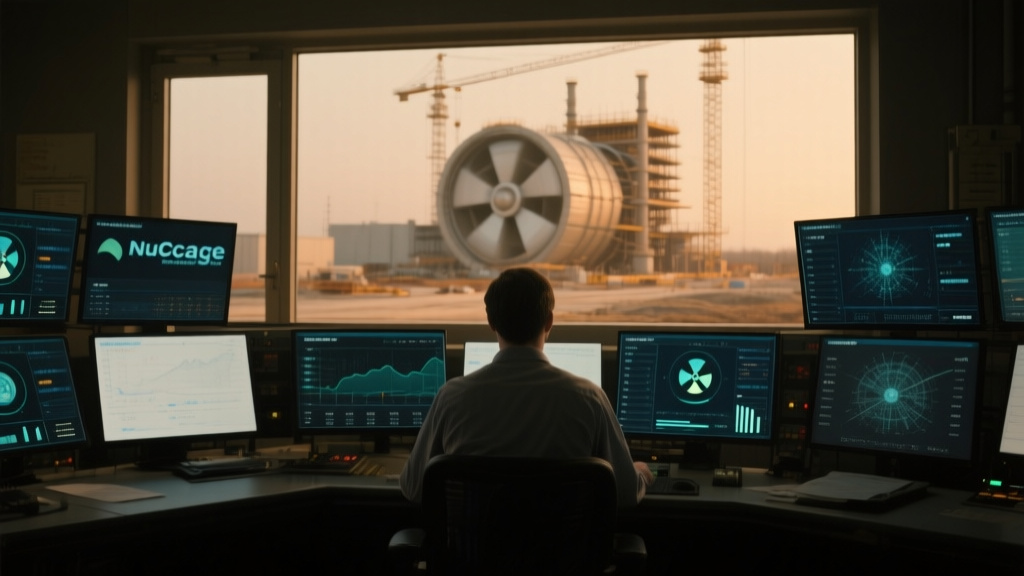
The partnership’s immediate focus is small modular reactors (SMRs), where standardized designs and repeatable permitting paths make AI augmentation most practical. NuScale’s cancelled Utah project demonstrated how cost overruns and regulatory delays can derail even advanced reactors; digital twins might have caught its fatal flaws earlier. Nvidia’s Omniverse already powers Siemens’ plant simulations, and Microsoft’s Azure AI will layer predictive analytics atop those models—flagging, for example, how a coolant pump redesign might ripple through a 10-year maintenance plan.
Yet the real test isn’t technical. It’s institutional. The NRC’s risk-averse culture has long prioritized caution over speed, and AI-generated documentation will face skepticism. Early adopters like TerraPower (backed by Bill Gates) are watching closely; their Natrium reactor in Wyoming could be the first to benefit from streamlined digital reviews.
For all the noise about AI’s energy hunger, the quieter story is how AI might finally unlock the energy source it needs. The partnership’s first deliverables—expected by late 2025—will target three critical phases: preliminary site analysis, probabilistic risk assessment, and control-room operator training via VR simulations. If successful, the playbook could extend to fusion pilots, where iterative design is even more time-sensitive.
The wildcard? Whether regulators will treat AI as a tool—or as another layer of opacity to audit.
Operationally, the shift could redefine nuclear’s role in the AI era. If digital twins reduce capital risk, utilities might greenlight projects that were previously too slow to justify. The first test will be whether SMR developers like Oklo or X-energy can leverage these tools to meet their 2027–2029 deployment targets.