

NASA's 2028 Mars Mission Bets on Nuclear Power
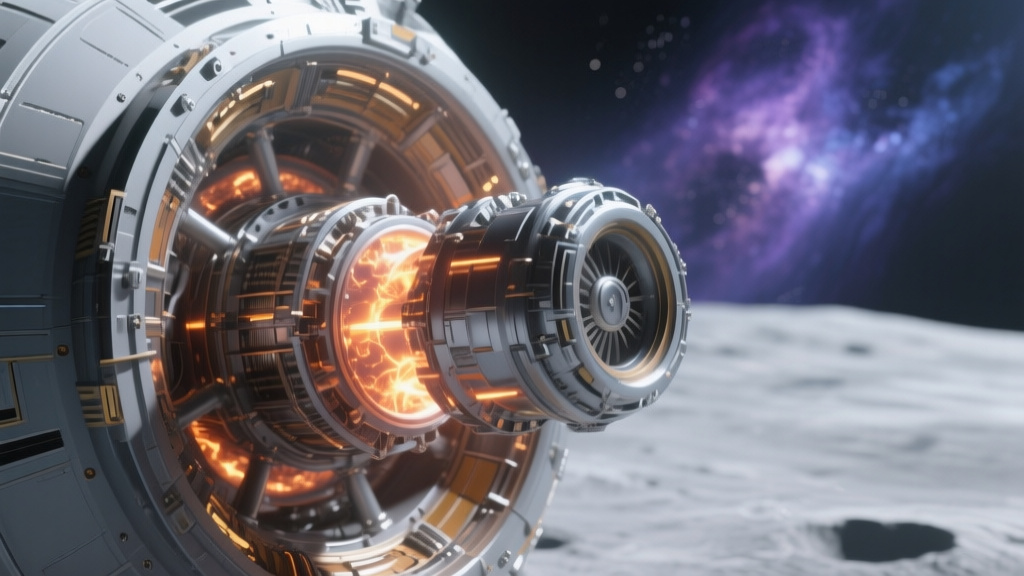
Split-composition matte painting showing NASA's Space Reactor-1 Freedom unit (silver metallic hexagonal modules with glowing indigo-violet thermal📷 Photo by Tech&Space
- ★NASA confirms 2028 Mars reactor mission
- ★Jared Isaacman leads major announcement
- ★Nuclear power reshapes exploration timeline
NASA's announcement of the Space Reactor-1 Freedom mission represents something more significant than another Mars entry on the calendar. With Administrator Jared Isaacman and agency leadership outlining a 2028 target, the United States is formally advancing nuclear power as a cornerstone of deep space exploration. The timing matters: 2028 positions this mission as a critical stepping stone, not a standalone effort, within the broader Mars exploration architecture. The mission fits into an evolving timeline that has seen renewed emphasis on sustainable presence rather than flags-and-footprints visits.
According to NASASpaceflight, the announcement centered on the Space Reactor-1 Freedom designation, with agency leaders presenting the mission framework publicly. The involvement of Isaacman—a commercial space veteran now leading the agency—signals a potential shift in how NASA approaches propulsion and power systems for interplanetary missions. His presence suggests the mission may draw on private sector expertise in ways previous Mars programs have not.
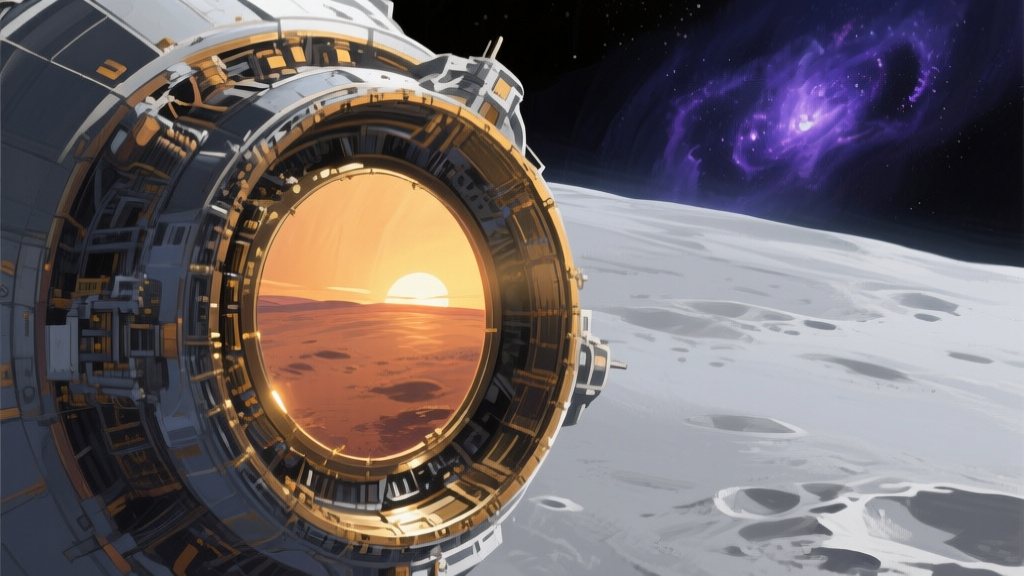
The infrastructure shift behind the 2028 timeline📷 Photo by Tech&Space
The infrastructure shift behind the 2028 timeline
If the mission does involve space reactor technology for power generation, as early speculation suggests, it would address one of the most persistent bottlenecks in Mars exploration: sustainable energy at distance. Solar panels degrade in the Martian environment. Batteries have mass penalties and thermal constraints. Nuclear power offers something different—continuous operation regardless of sunlight, season, or dust storm intensity. According to available information, this positions the Freedom mission as a significant development in the broader push toward sustainable off-world infrastructure.
What remains uncertain are the specific objectives and technical specifications. NASA has confirmed the mission's existence and destination, but the precise payload, reactor configuration, and landing architecture have not been fully detailed. That information gap is notable for a mission nominally four years from launch. The agency will need to fill in these details rapidly if the 2028 window is realistic.
The real signal here is that NASA is treating nuclear propulsion not as experimental, but as operational. This isn't a technology demonstration tacked onto a mission—it appears to be the mission itself.
The question isn't whether nuclear power makes sense for Mars—it's whether the regulatory and safety frameworks can keep pace with the mission clock. That tension will define the next four years.