
Artemis 2’s engine burn proves Orion is ready for the moon
Artemis 2’s engine burn proves Orion is ready for the moon📷 Source: Web
- ★Orion’s 18-minute trans-lunar injection burn executed flawlessly
- ★NASA’s first crewed lunar flyby since 1972 now on precise trajectory
- ★Engine performance data will shape Artemis 3’s landing ambitions
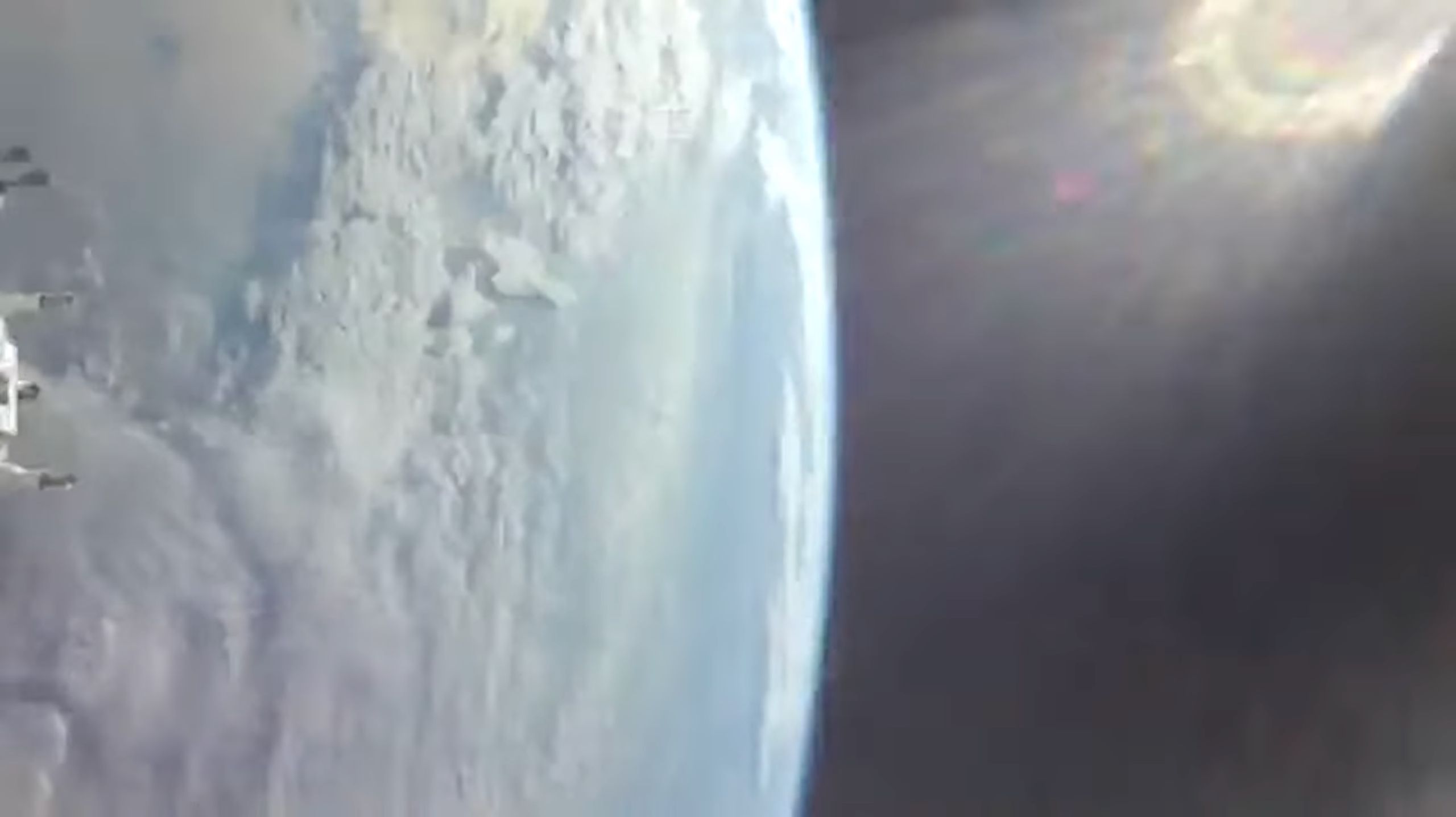
The Orion capsule’s 18-minute trans-lunar injection (TLI) burn wasn’t just successful—it was a clinical demonstration of the precision required to return humans to the moon. At 19:30 UTC on April 2, the spacecraft’s interim cryogenic propulsion stage (ICPS) ignited as planned, accelerating Orion from Earth orbit to a lunar-bound trajectory at 22,600 mph. NASA’s live telemetry confirmed nominal thrust levels throughout, with no anomalies in the RL10 engine’s performance.
This wasn’t a test flight. Artemis 2 carries four astronauts—Reid Wiseman, Victor Glover, Christina Koch, and Jeremy Hansen—making it the first crewed mission to escape low Earth orbit since Apollo 17 in 1972. The TLI burn’s success eliminates one of the highest-risk variables in NASA’s Artemis program timeline, where even minor deviations could delay the 2026 lunar landing target.
The maneuver’s significance extends beyond this mission. Orion’s service module, built by the European Space Agency, performed as designed during the burn, validating years of cross-agency collaboration. For engineers, the real prize is the engine performance data—now being analyzed to refine Artemis 3’s descent profile.
A textbook maneuver—with implications far beyond this mission📷 Source: Web
A textbook maneuver—with implications far beyond this mission
Context matters here. The TLI burn was the single point of no return: if it failed, Orion would have remained in Earth orbit, forcing an early abort. NASA’s post-burn briefing emphasized that the capsule’s trajectory is now within 0.3% of pre-flight models—a margin so tight it underscores the maturity of modern orbital mechanics.
What we don’t yet know is how the crew’s biological data will compare to Apollo-era records. Artemis 2’s science objectives include monitoring radiation exposure and vestibular effects during the 10-day mission, filling gaps left by 50-year-old datasets. The burn’s success also quietens skeptics who questioned whether NASA’s SLS rocket, often criticized for cost overruns, could deliver on its core promise: reliable deep-space propulsion.
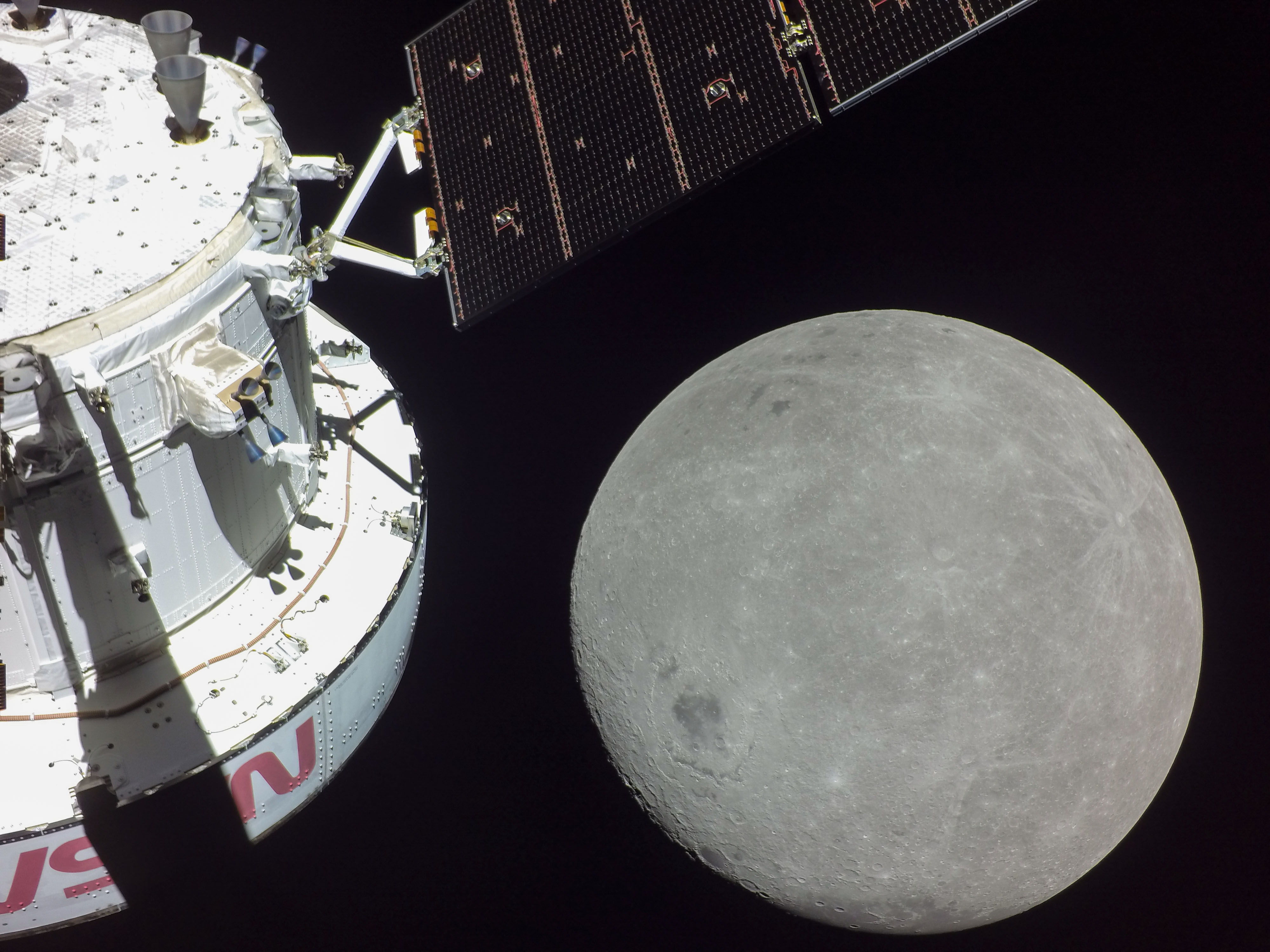
The next critical phase comes on April 6, when Orion performs a lunar flyby at just 6,400 miles above the surface. That maneuver will test the capsule’s optical navigation systems against the moon’s uneven gravitational field—another dataset Artemis 3’s landing crew will depend on.
The responsible question now isn’t whether we can reach the moon again, but what we’ll do differently this time. Apollo left flags and footprints; Artemis aims to leave infrastructure. That ambition hinges on whether today’s precision can scale—and whether the political will to fund it lasts longer than a single administration.