
Artemis 2 isn’t just a moon loop—it’s the dress rehearsal for Mars
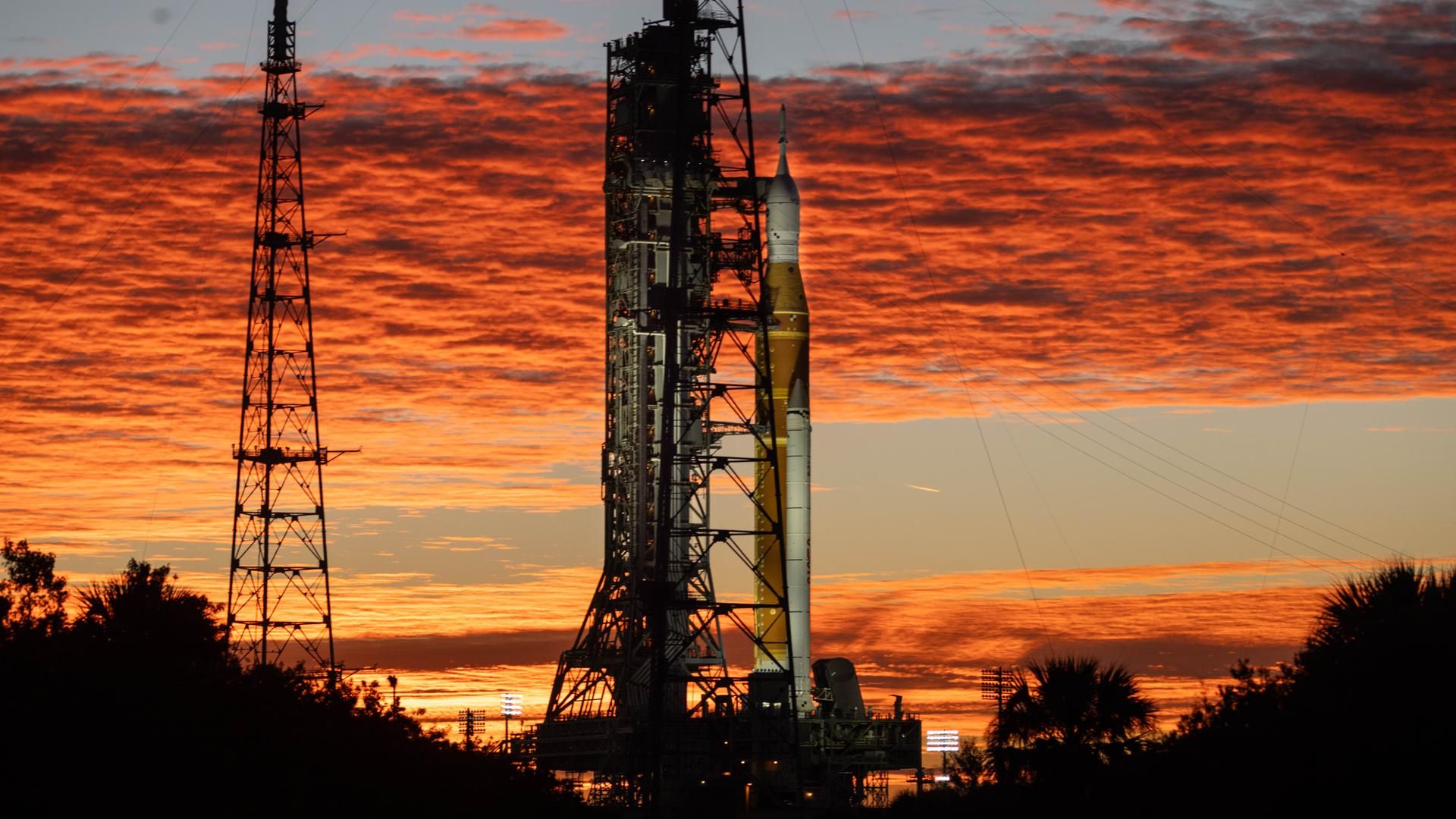
Artemis 2 isn’t just a moon loop—it’s the dress rehearsal for Mars📷 © Joel Kowsky
- ★First crewed lunar flyby since 1972, no landing
- ★Testing Orion’s life-support for deep-space durations
- ★NASA’s “Moon to Mars” timeline hinges on this flight
When Artemis 2 lifts off on April 1, it won’t be carrying tourists on a scenic lunar detour. This is the first—and only—crewed test of NASA’s Orion spacecraft in deep space before the agency commits to landing astronauts on the moon in 2026. The mission’s 10-day figure-eight loop around the moon is less about the destination than the duration: a dry run for the life-support systems, radiation shielding, and navigation required to keep humans alive for weeks beyond low Earth orbit.
The last time NASA sent people this far was 1972. Apollo’s hardware was built for sprints; Artemis is training for a marathon. Orion’s European Service Module, supplied by ESA, must prove it can sustain four astronauts for the 238,855-mile journey—and, critically, shield them from solar radiation outside Earth’s protective magnetosphere. Early data from Artemis 1’s uncrewed 2022 flight suggested Orion’s heat shield performed as expected, but “expected” has never been tested with lives aboard.
This isn’t just a moon mission. It’s the operational stress test for NASA’s “Moon to Mars” architecture, where lunar flybys become the proving ground for eventual 300-day voyages to the Red Planet. The agency’s timeline is tight: Artemis 3 (the landing) is slated for 2026, followed by annual sorties to build a lunar base. Delays here ripple outward—each slip in Orion’s certification pushes Mars further into the 2040s.
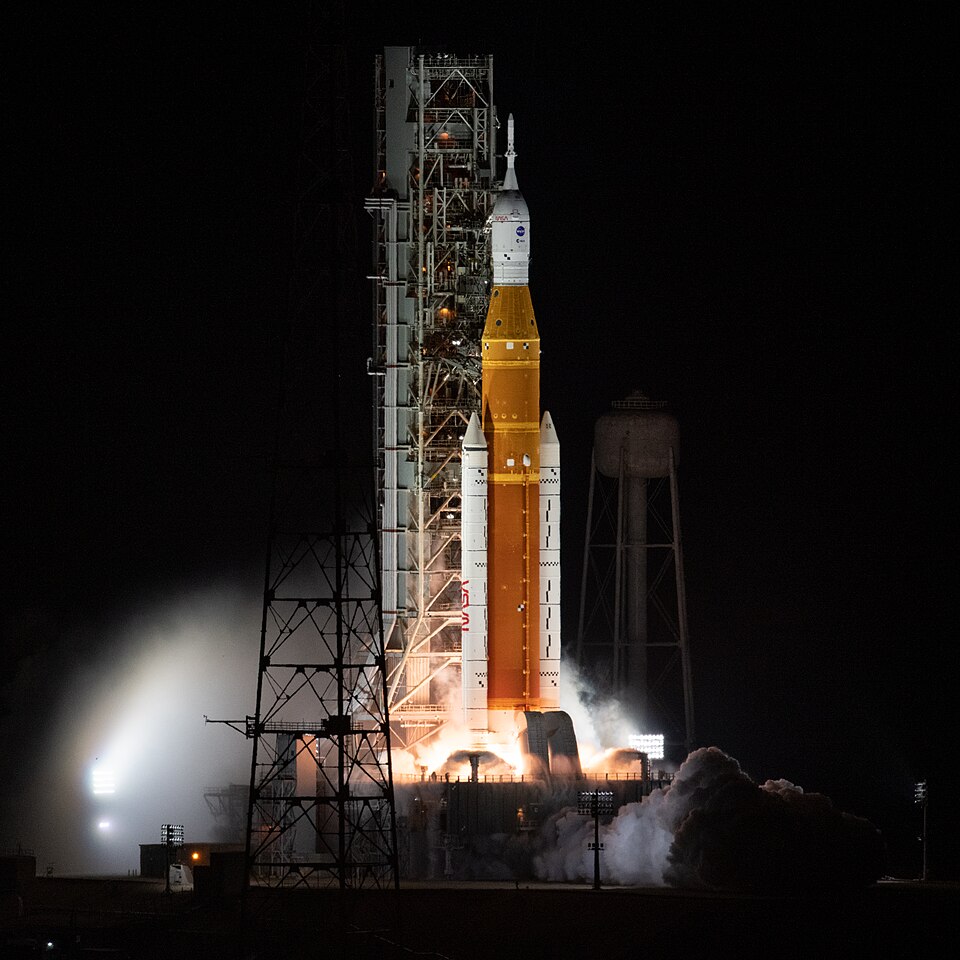
The mission’s real job: proving humans can survive beyond Earth’s magnetic field📷 Published: Mar 27, 2026 at 03:06 UTC
The mission’s real job: proving humans can survive beyond Earth’s magnetic field
The crew’s role is as much about engineering as exploration. Commander Reid Wiseman and pilot Victor Glover will manually test Orion’s handling during the outbound transit, while mission specialists Christina Koch and Jeremy Hansen (the first non-American on a NASA lunar mission) monitor the spacecraft’s environmental systems. Their data will feed directly into Artemis 3’s landing profile, particularly the Starship HLS docking procedures—still untested in space.
Radiation remains the unanswered question. Apollo astronauts reported seeing flashes of light from cosmic rays; Orion’s shielding is designed to reduce exposure, but the only real test is time. NASA’s Space Radiation Analysis Group models suggest the crew’s total dose will stay below career limits, but “models” and “measurements” are different things. The mission carries dosimeters and a biological experiment to track DNA damage in yeast cells—a proxy for human risk.
What comes next isn’t glamorous: months of post-flight analysis, followed by a brutal review of every anomaly. If Orion’s thermal protection system shows unexpected erosion, or if the life-support glitches under load, Artemis 3’s landing could slip. The real bottleneck isn’t the rocket. It’s the gap between working in theory and working in practice—a gap this mission exists to close.
For NASA’s contractors, from Lockheed Martin to SpaceX, this flight is the difference between PowerPoint timelines and hardware deadlines. A single major failure here could force a redesign of Orion’s service module, cascading delays into the 2030s.