

OpenAI’s Liability Shield Bill: Tech Lobbying in Sheep’s Clothing

OpenAI’s Liability Shield Bill: Tech Lobbying in Sheep’s Clothing📷 Published: Apr 10, 2026 at 02:13 UTC
- ★Illinois bill limits AI lab liability
- ★Covers mass deaths and financial disasters
- ★OpenAI testifies in favor of legal protection
OpenAI has thrown its weight behind an Illinois bill that would effectively shield AI labs from lawsuits—even in cases of "critical harm" like mass casualties or financial ruin. The legislation, revealed in Wired’s reporting, carves out sweeping exemptions for AI developers, framing liability as a threat to innovation rather than a safeguard. The move is less surprising than it is brazen: OpenAI, which has spent years positioning itself as a leader in AI safety, is now lobbying to insulate itself from the very risks its own systems might create.
The timing is telling. As regulators worldwide scramble to address AI’s potential dangers, OpenAI’s testimony reads like a preemptive strike—one that redefines accountability as a legal loophole. The bill’s language is deliberately vague, leaving room for interpretation while ensuring courts would struggle to hold labs accountable for "unforeseen" harms. That’s convenient for an industry that has yet to demonstrate robust safeguards against misuse, hallucinations, or systemic failures. If passed, the bill would set a precedent: AI labs could deploy high-stakes systems while offloading the consequences to society.
Critics argue the bill is less about innovation and more about corporate defense. OpenAI’s stance aligns with a broader industry playbook—framing regulation as an enemy while quietly shaping policies that protect profits. The Illinois legislation mirrors efforts in other states, where tech lobbying has successfully diluted liability frameworks for emerging technologies. The message is clear: if AI causes harm, the onus falls on victims, not developers.
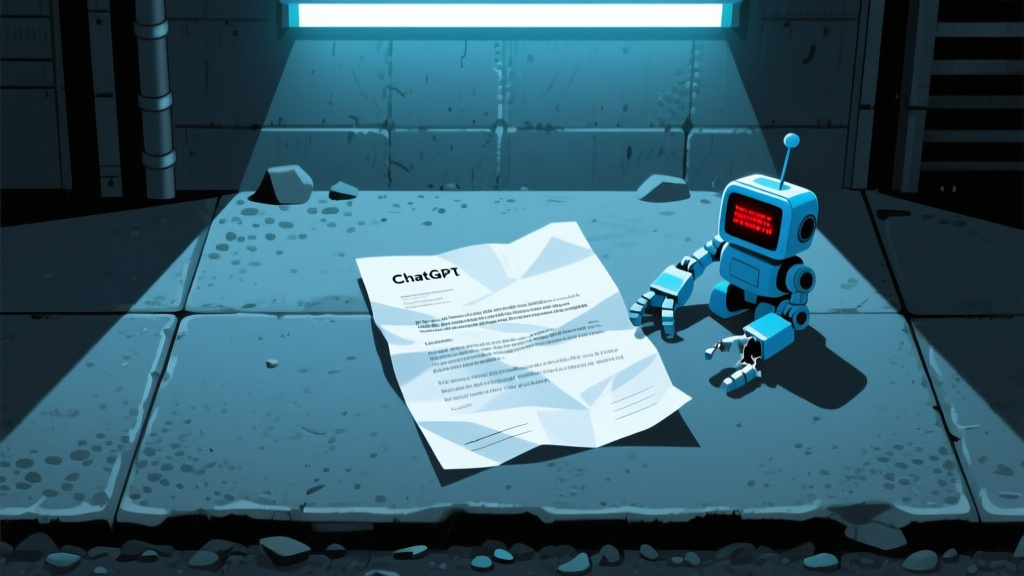
The gap between safety promises and legal accountability just widened📷 Published: Apr 10, 2026 at 02:13 UTC
The gap between safety promises and legal accountability just widened
The implications extend beyond Illinois. If this bill succeeds, it could embolden similar efforts nationwide, weakening legal recourse for AI-related disasters. That’s a boon for labs like OpenAI, which face mounting scrutiny over ChatGPT’s real-world failures—from facilitating fraud to generating defamatory content. GitHub discussions among developers reveal skepticism, with many questioning whether OpenAI’s safety claims hold up under legal pressure. The community’s reaction is telling: while some defend the bill as a necessary buffer against frivolous lawsuits, others see it as a betrayal of the transparency OpenAI once promised.
What’s missing from OpenAI’s argument is any evidence that current liability laws stifle innovation. The tech industry has thrived under existing frameworks, from software malpractice to product liability. The difference? AI’s scale and opacity make its risks harder to predict—and harder to litigate. By lobbying for immunity, OpenAI isn’t just dodging accountability; it’s admitting that its systems might not be as controllable as advertised.
For competitors, the bill is a double-edged sword. Smaller labs could benefit from reduced legal exposure, but they’d also struggle to compete with OpenAI’s deeper pockets if things go wrong. Meanwhile, open-source projects—already wary of corporate dominance—may accelerate efforts to create alternative models, free from legal black boxes. The real bottleneck, however, remains unchanged: no amount of lobbying can erase the fact that AI’s risks are still poorly understood, let alone mitigated.