

Back to Home
AIdb#1825

OpenAI’s AI tax plan: redistribution or PR repackaging?
(1w ago)
San Francisco, US
techcrunch.com
OpenAI’s AI tax plan: redistribution or PR repackaging?

OpenAI’s AI tax plan: redistribution or PR repackaging?📷 Published: Apr 7, 2026 at 08:22 UTC

  • AI profit taxes framed as ‘robot taxes’—but no rates defined
  • Public wealth funds proposed to offset job displacement risks
  • Four-day work week hinted, not promised

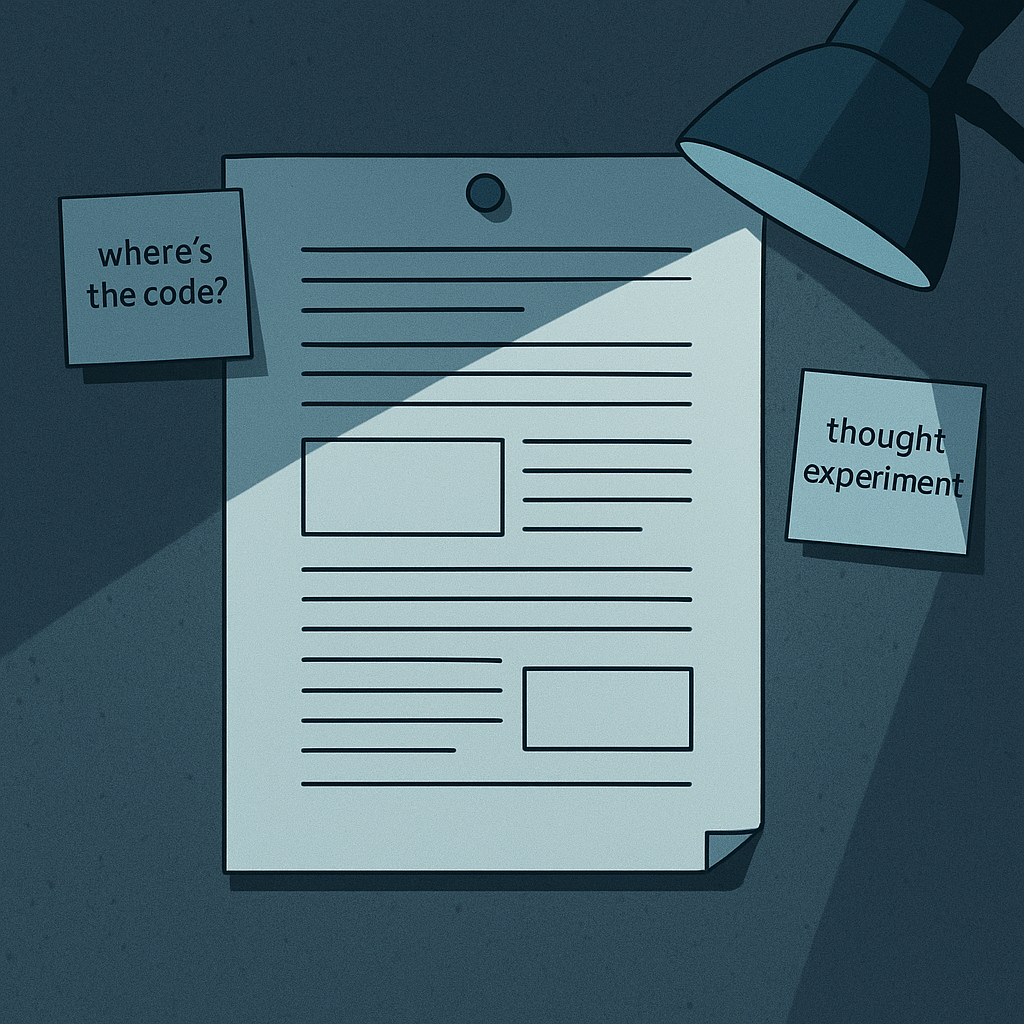
OpenAI’s latest policy paper reads like a Silicon Valley twist on Nordic social democracy: tax the robots (or rather, the AI profits), fund universal safety nets, and maybe—eventually—let everyone work four days a week. The proposal lands as policymakers scramble to address AI’s economic fallout, but the devil’s in the details—or rather, the lack of them.

No tax rates, no fund structures, no timelines. Just a broad-strokes vision that blends capitalist incentives with redistribution, a balancing act that would make even the most agile politician pause. The ‘robot tax’ framing is particularly clever: it repackages corporate profit taxes as futuristic policy, sidestepping the fact that AI-driven productivity gains have yet to materialize at scale for most industries.

The real signal here isn’t the policy itself—it’s the timing. With AI hype peaking and labor markets already jittery, OpenAI is positioning itself as the responsible disruptor, a narrative that conveniently distracts from its own market dominance.
The gap between policy proposal and political reality

The gap between policy proposal and political reality📷 Published: Apr 7, 2026 at 08:22 UTC

The gap between policy proposal and political reality

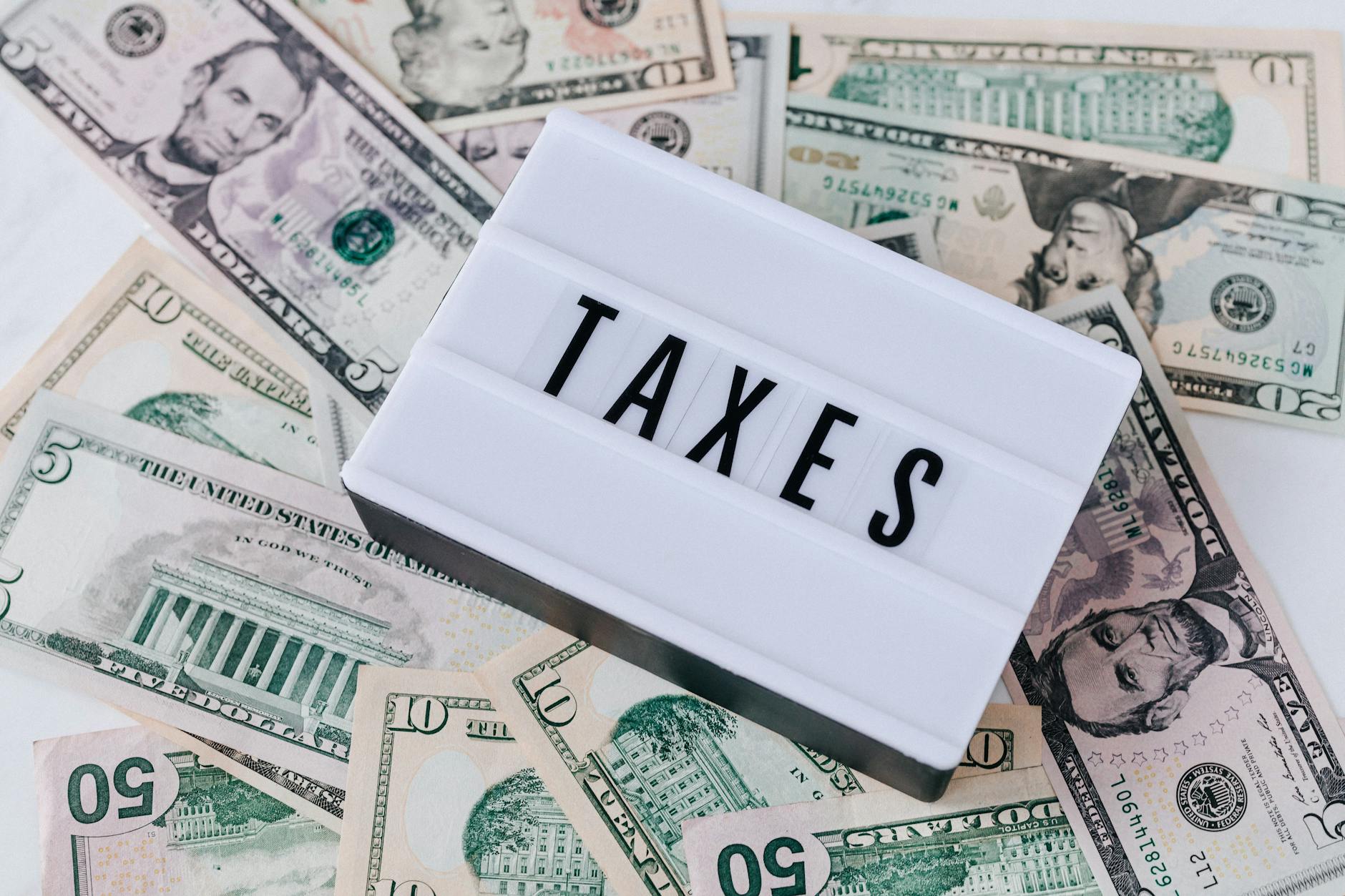
Developers aren’t buying it—at least not yet. On GitHub and technical forums, the reaction ranges from skepticism (‘another thought experiment’) to outright dismissal (‘where’s the code?’). The community’s focus remains on deployment bottlenecks, not policy whitepapers. As one engineer noted, ‘Taxing hypothetical profits from hypothetical AGI is like regulating unicorn ranches.

The competitive angle is sharper. If OpenAI’s proposals gain traction, they create a moat: only the largest players could absorb new tax burdens while funding public wealth initiatives. Smaller labs and open-source projects? Left holding the bag—or the tax bill. Meanwhile, the four-day work week remains a footnote, a vague aspiration tucked into a document long on vision and short on mechanics.

For all the noise, the actual story is simpler: OpenAI is hedging. By floating these ideas now, it shapes the debate before regulators do. The question isn’t whether these policies are good—it’s whether they’re serious, or just a very expensive PR gambit.

In other words, proposing taxes on AI profits is easy when those profits are still largely theoretical. The real test comes when the bill arrives—and the robots aren’t paying.

OpenAIAI RegulationTaxation on AI Profits
// liked by readers

//Comments

RoboticsBaidu robotaxis grounded: China’s traffic chaos exposes real-world limitsAIDisney’s $1B AI bet collapses before the first frameMedicineInflammation’s Epigenetic Scars May Linger, Raising Colon Cancer RiskAIMistral’s tiny speech model fits on a watch—so what?MedicineBrain aging’s genetic map: AI hype vs. Alzheimer’s realityAIPorn’s AI Clones Aren’t Immortal—Just Better PackagedMedicine$100M federal bet on joint regeneration—what the trials can (and can’t) proveAIGitHub’s Copilot data grab: opt-out or be trainedMedicineRNA Sequencing UnifiesAIAI’s dirty little secret: secure by default is a mythSpaceEarth Formed From Inner Solar SystemAI$70M for AI code verification—because shipping works, not just generating itSpaceYouTube’s AI cloning tool exposes a deeper problemAIAI traffic now outpaces humans—but who’s really winning?SpaceSmile Mission to X-Ray Earth’s Magnetic ShieldAIGemini Live’s voice downgrade: AI progress or collateral damage?SpaceGamma Cas’s X-Ray Mystery Solved After 40 YearsGamingNvidia’s AI art war: Why players are sharpening the pitchforksSpaceUK’s AI probe into Microsoft isn’t just about Windows—it’s about controlTechnologyLeaked iPhone hacking tool exposes Apple’s zero-click blind spotRoboticsBaidu robotaxis grounded: China’s traffic chaos exposes real-world limitsAIDisney’s $1B AI bet collapses before the first frameMedicineInflammation’s Epigenetic Scars May Linger, Raising Colon Cancer RiskAIMistral’s tiny speech model fits on a watch—so what?MedicineBrain aging’s genetic map: AI hype vs. Alzheimer’s realityAIPorn’s AI Clones Aren’t Immortal—Just Better PackagedMedicine$100M federal bet on joint regeneration—what the trials can (and can’t) proveAIGitHub’s Copilot data grab: opt-out or be trainedMedicineRNA Sequencing UnifiesAIAI’s dirty little secret: secure by default is a mythSpaceEarth Formed From Inner Solar SystemAI$70M for AI code verification—because shipping works, not just generating itSpaceYouTube’s AI cloning tool exposes a deeper problemAIAI traffic now outpaces humans—but who’s really winning?SpaceSmile Mission to X-Ray Earth’s Magnetic ShieldAIGemini Live’s voice downgrade: AI progress or collateral damage?SpaceGamma Cas’s X-Ray Mystery Solved After 40 YearsGamingNvidia’s AI art war: Why players are sharpening the pitchforksSpaceUK’s AI probe into Microsoft isn’t just about Windows—it’s about controlTechnologyLeaked iPhone hacking tool exposes Apple’s zero-click blind spot
⊞ Foto Review