
ChatGPT’s shopping pivot: Discovery tool or retail Trojan horse?
ChatGPT’s shopping pivot: Discovery tool or retail Trojan horse?📷 Published: Apr 14, 2026 at 10:24 UTC
- ★OpenAI kills its own payment system for retailer checkouts
- ★Product images and comparisons land in chat—no cart
- ★Strategic retreat from transactions, not e-commerce
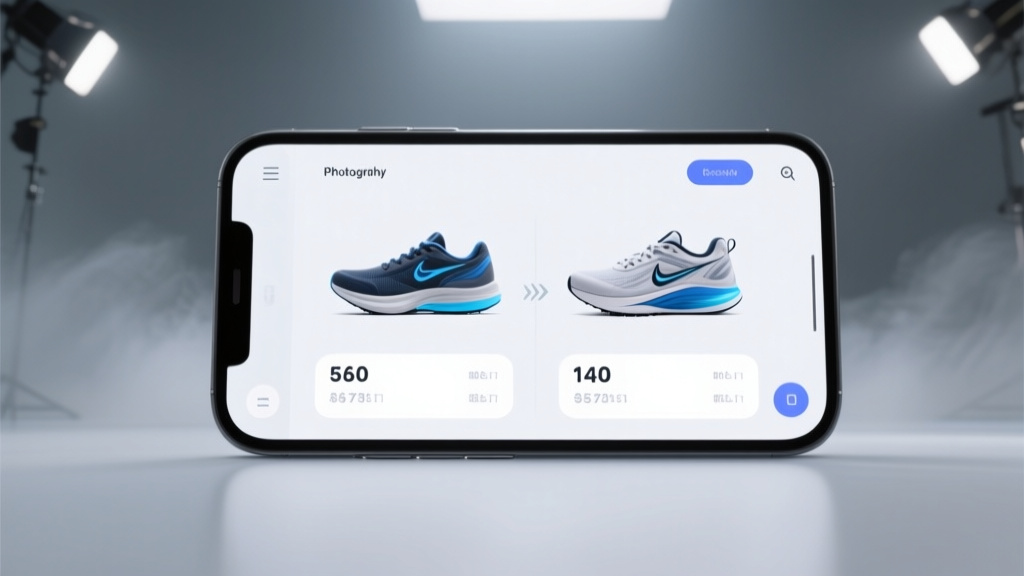
OpenAI’s latest ChatGPT update isn’t just another feature drop—it’s a calculated retreat from the messy business of handling money. The company is axing its own payment system and outsourcing checkouts to retailers, while simultaneously rolling out visual product comparisons, prices, and images directly in chat. The timing isn’t accidental: this is a pivot from transactional friction to discovery dominance.
The new shopping features—side-by-side product comparisons with images and pricing—mirror what Google Lens or Amazon’s AI assistant already do, but with ChatGPT’s conversational layer. OpenAI isn’t building a store; it’s embedding itself as the middleman between curiosity and purchase. The absence of a native checkout isn’t a flaw—it’s the point. Retailers keep the customer relationship (and the data), while OpenAI avoids the regulatory and logistical nightmare of becoming a marketplace.
Early signals suggest this is less about competing with Shopify and more about locking in partnerships with brands desperate for AI-driven engagement. The real innovation here isn’t the shopping experience—it’s the strategic avoidance of becoming a payment processor. For a company that once flirted with cryptocurrency integrations, this is a quiet admission that fintech is someone else’s problem.

The gap between shopping assistant and shopping platform📷 Published: Apr 14, 2026 at 10:24 UTC
The gap between shopping assistant and shopping platform
The hype around ChatGPT as a ‘shopping platform’ ignores a critical reality gap: discovery ≠ conversion. While the demo shows sleek product comparisons, real-world deployment will hinge on retailer adoption—and their willingness to cede control over the pre-checkout experience. OpenAI’s bet is that brands will tolerate a chatbot intermediary if it drives sales, but history suggests retailers guard their customer journeys fiercely.
Developers aren’t exactly celebrating. GitHub threads and technical forums are noting the irony of OpenAI abandoning its payment infrastructure just as it leans into commerce-adjacent features. The community’s reaction splits between skepticism (‘another demoware play’) and grudging admiration for the pivot’s ruthless focus. Meanwhile, competitors like Perplexity and Google’s AI are already testing similar flows, but with one key difference: they’re not pretending to be neutral.
The real signal here isn’t about shopping—it’s about OpenAI’s evolving role as a traffic director, not a destination. By offloading payments, the company sidesteps antitrust scrutiny while embedding itself deeper into retail workflows. The question isn’t whether ChatGPT can sell you a toaster, but whether it can convince enough brands to let it control the path to purchase.