
Nvidia’s DLSS 4.5 turns fake frames into real fun

Nvidia’s DLSS 4.5 turns fake frames into real fun📷 Published: Apr 20, 2026 at 14:05 UTC
- ★DLSS 4.5 pushes 300 FPS in ray-traced games
- ★Dynamic frame gen lands on laptops at last
- ★Same image quality jump as last-gen but faster
Nvidia’s DLSS 4.5 is here and it’s selling liquid-smooth gameplay as ‘real enough’. The headline number? Above 240 FPS, and sometimes past 300 FPS, even in ray- and path-traced titles—on laptops. That’s the detail that separates marketing fluff from actual sweat on your palms. Upscaling and frame generation have always helped on desktop, but laptops starve for pixels and watts; DLSS 4.5 finally brings the same 4K-plus smoothness without the desktop power brick. The headline from Notebookcheck points to a 4–5 % image-quality bump too, which means the ‘fake frames’ aren’t just plentiful—they’re prettier.
According to Nvidia’s own slides, dynamic frame generation is the magic dust that turbocharges your frame counter without torching your GPU. Early signals from reviewers show RTX 40-series laptops hitting 300 FPS in Cyberpunk 2077 with Overdrive Mode on, a result that feels like a cheat code until you remember the frames are AI interpolated.
The community is responding with memes about ‘free 300 FPS’, but behind the laughs sits a real tension: how much latency does that interpolation add? If your laptop fan sounds like a jet engine, the numbers won’t matter if the gameplay feels mushy.
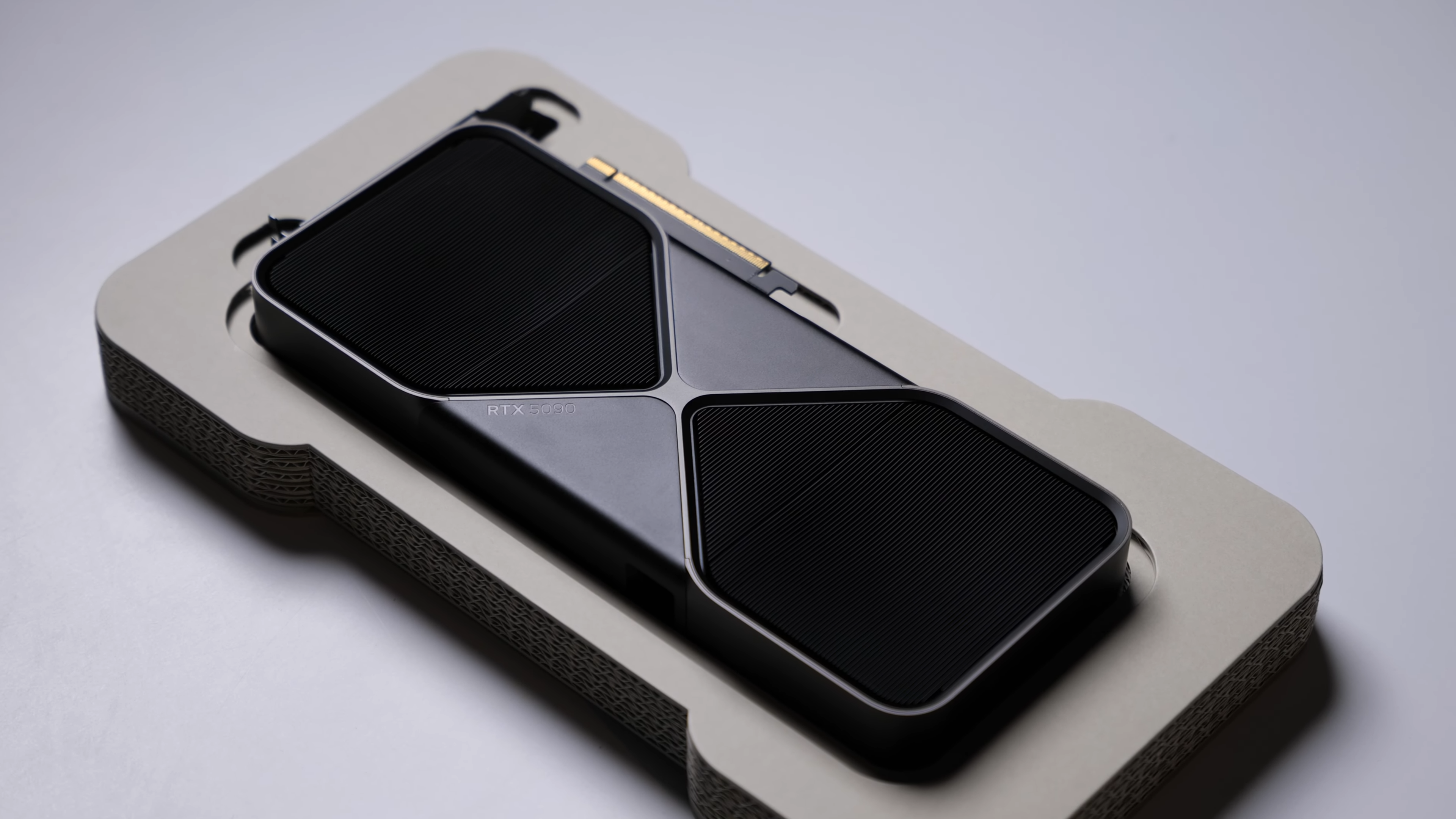
How much faster is faster when the frames aren’t quite real?📷 Published: Apr 20, 2026 at 14:05 UTC
How much faster is faster when the frames aren’t quite real?
What DLSS 4.5 actually means for players is simpler than the tech specs. You get to run modern titles at high settings on modest hardware instead of dialing everything down. That’s especially good news for esports laptops where every frame counts and thermals decide the match. Gamers on RTX 4050 and 4070 laptops are already reporting 200+ FPS in Valorant and Apex Legends without lowering shadows or effects, a concrete player impact that’s hard to ignore.
Early adopters also note that dynamic frame generation kicks in best when your GPU is already struggling, which sounds backwards until you realize the AI is smoothing the rough edges. There’s speculation that this tech leans heavily on a new AI-based frame synthesis model, but Nvidia hasn’t spilled the beans yet. All we know for sure is the frame counter stops lying and starts bragging.
The real signal here is that Nvidia has turned an upscaling trick into a full-blown performance steroid, and it’s landing first on laptops where battery life and thermals once throttled ambition.
Will the promised 240–300 FPS hold up in shipping titles, or will frame-pacing gremlins turn the stutter into a war crime?