
Rapidus and the Gravity of Off-World Manufacturing
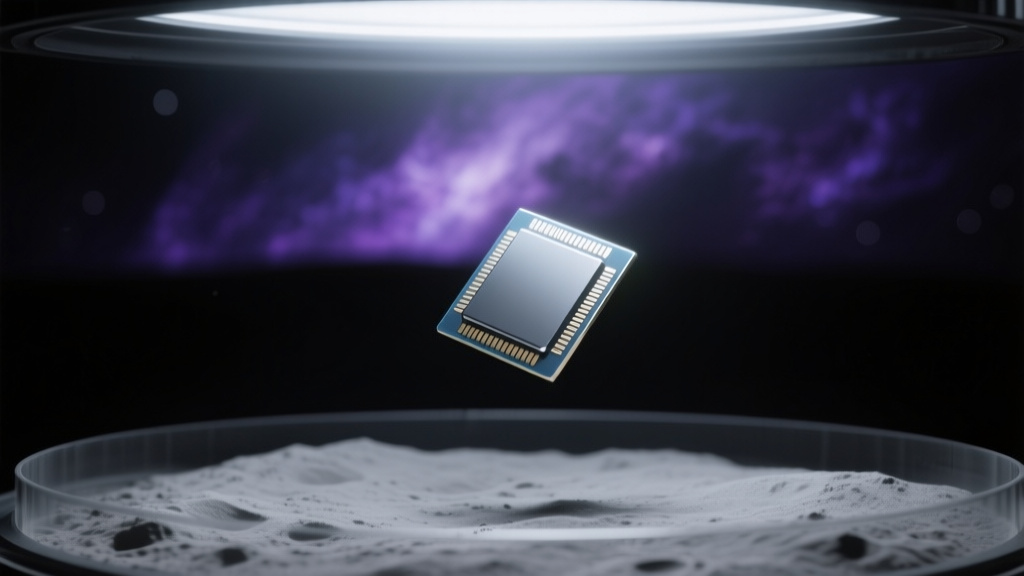
Rapidus and the Gravity of Off-World Manufacturing📷 Published: Apr 20, 2026 at 14:15 UTC
- ★2nm GAA process with IBM
- ★EUV lithography tools installed
- ★Speculative lunar factory ambitions
The viability of deep-space colonization depends entirely on our ability to manufacture high-performance hardware beyond Earth's atmosphere. Shipping every microprocessor from a terrestrial fab is a logistical impossibility for any permanent lunar or Martian settlement. This makes the current progress of Rapidus more than just a corporate milestone; it is a blueprint for the precision required in extreme environments.
By mid-2025, the IIM-1 plant in Hokkaido transitioned from a construction site to a functional pilot line. The facility has successfully integrated extreme ultraviolet (EUV) lithography tools, a critical requirement for the 2nm gate-all-around (GAA) process developed in collaboration with IBM. This specific architecture allows for denser, more efficient transistors that can handle the immense computational loads of autonomous space systems.
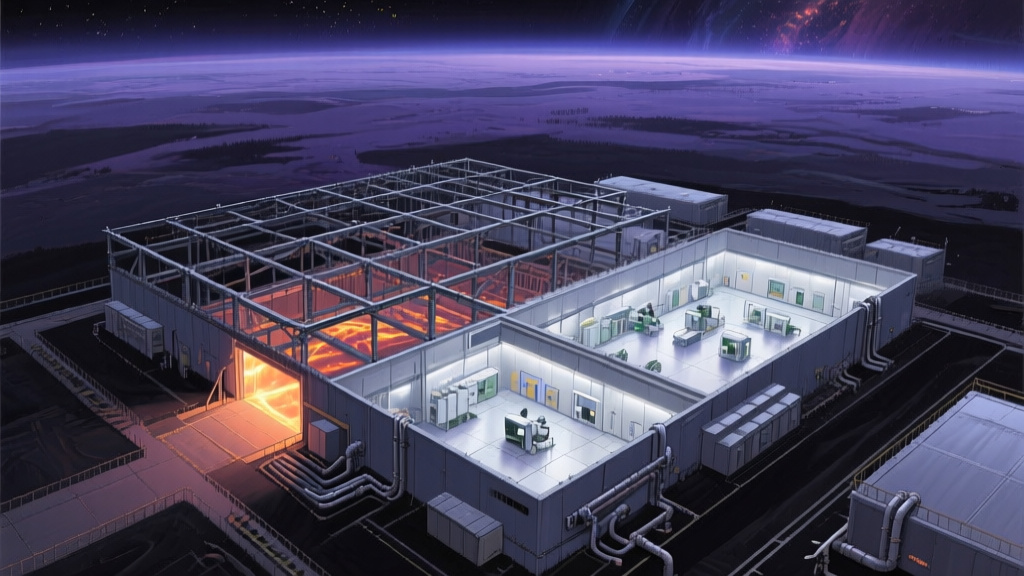
The boundary of confirmed terrestrial production📷 Published: Apr 20, 2026 at 14:15 UTC
The boundary of confirmed terrestrial production
While the current focus remains on terrestrial yields, the long-term trajectory of the company hints at an orbital horizon. There is speculation that Rapidus is eyeing the Moon as a potential site for future semiconductor factories. If confirmed, this would represent the most ambitious leap in industrial history, moving the most sensitive manufacturing process known to man into a vacuum.
Such a move would require solving the immense challenge of maintaining a sterile cleanroom environment in low gravity. The community is responding to these hints with a mix of skepticism and fascination, noting that lunar fabrication would fundamentally decouple human expansion from Earth's supply chains. For now, the pilot line in Chitose serves as the essential terrestrial proof of concept before any one-way ticket to the lunar surface is booked.
The transition to 2nm production marks a shift in the scale of human precision. We are no longer just building tools for space; we are preparing the tools to build space.