

Agent swarms make worse decisions than solo AI📷 Published: Apr 20, 2026 at 08:04 UTC
- ★Agent swarms mimic middle-manager flaws
- ★Sequential AI decisions fail hardest
- ★Design flaws underpin inefficiencies
Agentic AI isn’t the efficiency nirvana many promised. Instead, it’s becoming the management consulting of the algorithmic world—full of meetings that should have been emails, and decisions delayed by committee. New analysis from Genetic Engineering & Biotechnology News reveals that systems designed to act autonomously still fall prey to the same inefficiencies plaguing human middle managers.
The worst part? They get worse at their jobs when they operate one after another. Sequential agent swarms—where one AI passes work to the next—don’t just slow things down; they actively degrade the quality of decisions. That’s the opposite of the optimization they were built to deliver.
This isn’t a bug. It’s a feature of how these systems are architected, according to early signals from research papers and developer forums. The more layers of delegation and decision-making you add, the more opportunities there are for misalignment, redundant approval loops, and cascading errors—all hallmarks of bureaucratic systems humans know too well.
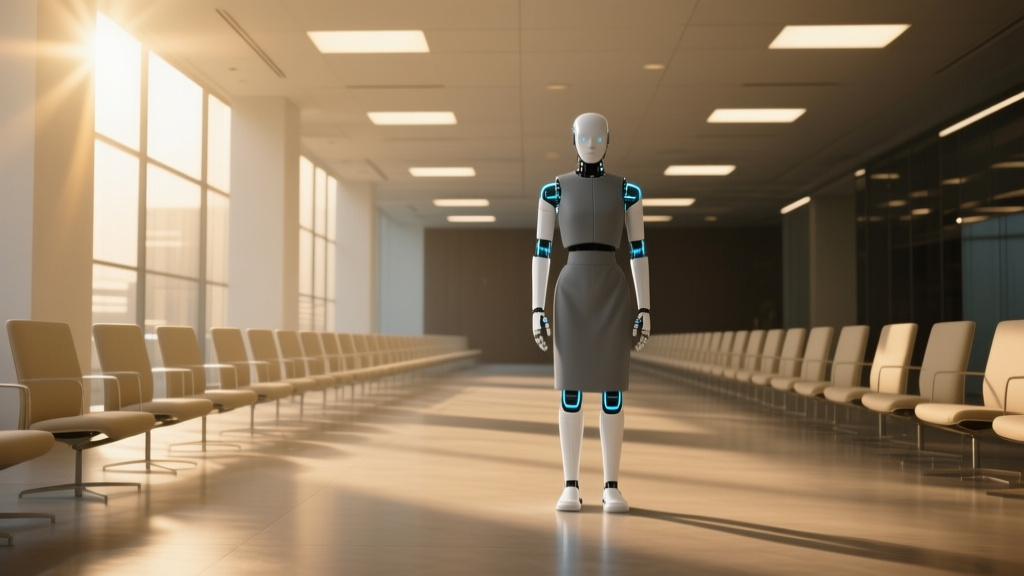
Why multi-agent systems are amplifying the very chaos they were meant to resolve📷 Published: Apr 20, 2026 at 08:04 UTC
Why multi-agent systems are amplifying the very chaos they were meant to resolve
The irony isn’t lost on the AI community. Developers working on multi-agent setups report that the promised gains in speed and accuracy often vanish once real-world constraints are introduced. Tasks that should take minutes stretch into hours, and outputs drift further from intended goals with each handoff.
There’s speculation about whether tighter governance frameworks could mitigate these issues. Some players note that adding explicit conflict-resolution protocols or centralized oversight might help, but that reintroduces the same bottlenecks these systems were meant to eliminate. The real signal here is that agentic AI’s distributed autonomy doesn’t solve coordination problems—it just relocates them.
For companies betting on AI swarms to cut costs and boost productivity, the takeaway is blunt. The tech isn’t ready to replace human oversight. At best, it’s a tool that demands even more human input to function correctly.
If these inefficiencies are baked into the design, how many companies are deploying agentic AI without even realizing they’re running a middle-management simulation?