
Anthropic vs. Pentagon: The AI safety fight Silicon Valley didn't expect
Anthropic vs. Pentagon: The AI safety fight Silicon Valley didn't expect📷 Published: Apr 20, 2026 at 10:04 UTC
- ★37 researchers file amicus brief
- ★DoD contract dispute escalates
- ★Test of AI company blacklisting
Anthropic's clash with the Department of Defense has morphed from a routine contract spat into a defining stress test for AI governance. Thirty-seven prominent researchers signed an amicus brief this week backing the company, transforming a bureaucratic disagreement into a referendum on who sets the rules for artificial intelligence.
The dispute centers on whether the U.S. government can effectively blacklist an American AI firm for enforcing its own usage restrictions. Anthropic had imposed safety limits on how its models could be deployed; the Pentagon reportedly chafed at those constraints. Now the fight sits at an uncomfortable intersection of national security priorities and corporate AI ethics.
This isn't abstract principle. The researchers backing Anthropic include figures from Google DeepMind, OpenAI, and academia—names that carry weight in policy circles. Their involvement signals that the industry sees this as precedent-setting, not merely a vendor squabble.
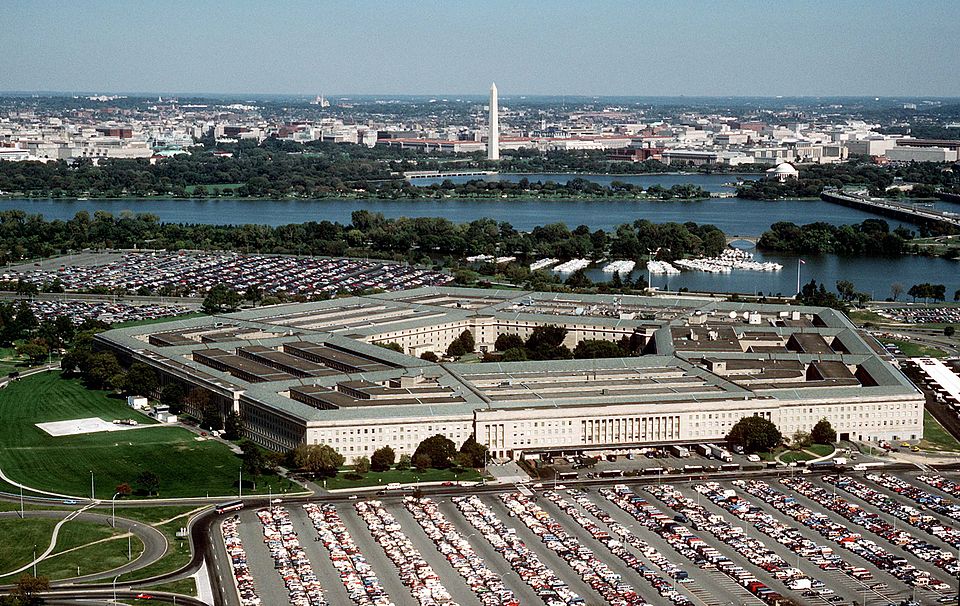
Government muscle meets private safety guardrails📷 Published: Apr 20, 2026 at 10:04 UTC
Government muscle meets private safety guardrails
The tension here is structural, not personal. Military agencies want maximum flexibility with powerful AI tools. Labs like Anthropic want enforceable guardrails, partly for genuine safety concerns, partly for liability protection, partly because their business models depend on being seen as responsible stewards.
What makes this case slippery is that both sides can claim legitimate ground. The Pentagon has real operational needs. Anthropic has documented risks of misuse for frontier models. But the mechanism matters: if federal agencies can punish companies for restrictive policies, the incentive structure for AI safety shifts dramatically.
The amicus brief suggests the research community is cohering around a specific fear—that safety protocols will become bargaining chips in procurement negotiations. Early signals indicate this case could influence how future AI regulation treats the boundary between government oversight and corporate autonomy.
Another week, another AI conflict billed as existential that turns out to be about procurement contracts and professional egos. The revolutionary rhetoric writes checks the bureaucratic reality can't cash.