
Google Maps adds AI travel agent with plain-language search
Google Maps adds AI travel agent with plain-language search📷 Published: Apr 20, 2026 at 04:12 UTC
- ★Google Maps gets AI travel advisor mode
- ★Plain-language search via Gemini AI
- ★Revamped 3D navigation lands
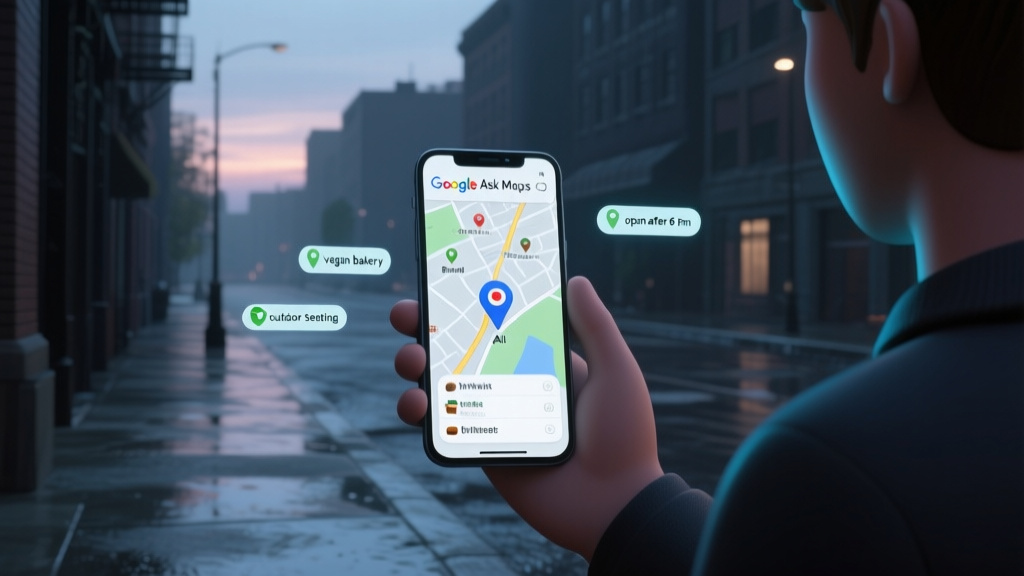
Google Maps is quietly pivoting from map to mind-reader. The new Ask Maps feature leans on Gemini AI to swallow vague prompts like 'find me a vegan bakery with outdoor seating near a park that’s open after 6 PM' and spit out a tailored map with ranked results. It’s not just voice search with better NLP—Google claims the AI understands contextual layers that would stump a traditional query. Early demos show personalized pins, route overlays, and even notes on traffic or business hours pulled from a mix of public data and user patterns.
The party trick is the revamped 3D navigation, which sheds the blocky, cartoonish overlays of yesteryear. Expect photorealistic building textures and dynamic lane guidance that adjusts in real time. Google frames it as a trip advisor in your pocket, but the real play is turning a utility into a destination for discovery.
Demo vs. deployment: when AI assistants actually leave the screen.📷 Published: Apr 20, 2026 at 04:12 UTC
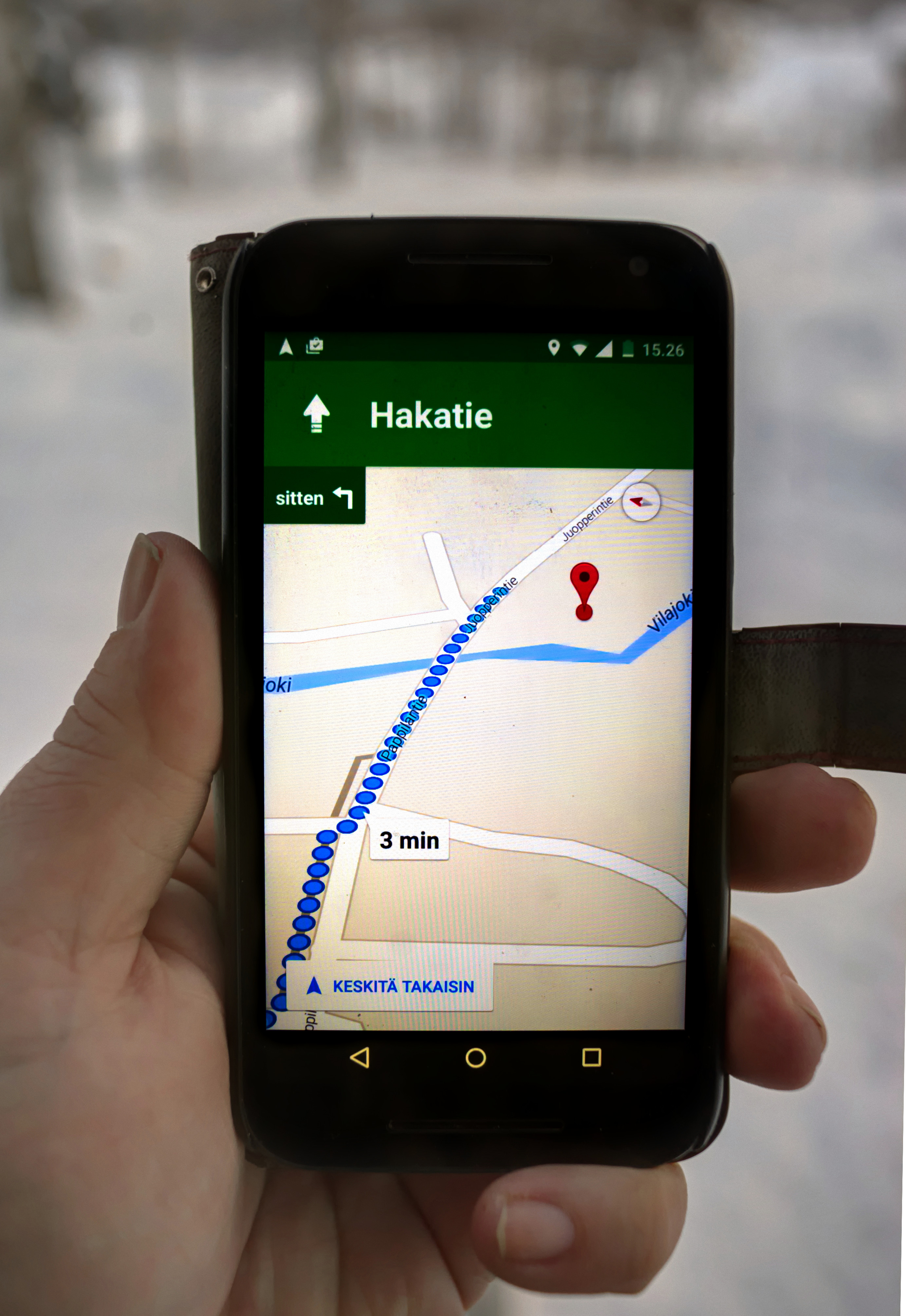
Demo vs. deployment: when AI assistants actually leave the screen.
Benchmarking this against Apple Maps or Waze exposes the usual gap between demo and device. Ask Maps still requires near-perfect phrasing; miss a comma and it defaults to basic search. Competitors already offer conversational AI—Amazon’s Alexa can suggest routes, and HERE Technologies embeds AI in logistics-grade maps. Where Google’s edge might land is scale: if the Gemini integration reduces server lag from seconds to sub-second, it could redefine on-device workloads.
Developers should watch the API roadmap. Google’s playbook suggests eventual monetization through targeted suggestions embedded in results, but that risks alienating users already wary of Maps’ ad density. For now, the signal is simple: Google wants to own the interface layer between intent and destination.
But where’s the proof this isn’t just a fancier autocomplete? Google hasn’t released hard metrics on error rates or user retention after the novelty wears off. Until then, the burden of proof rides shotgun.