
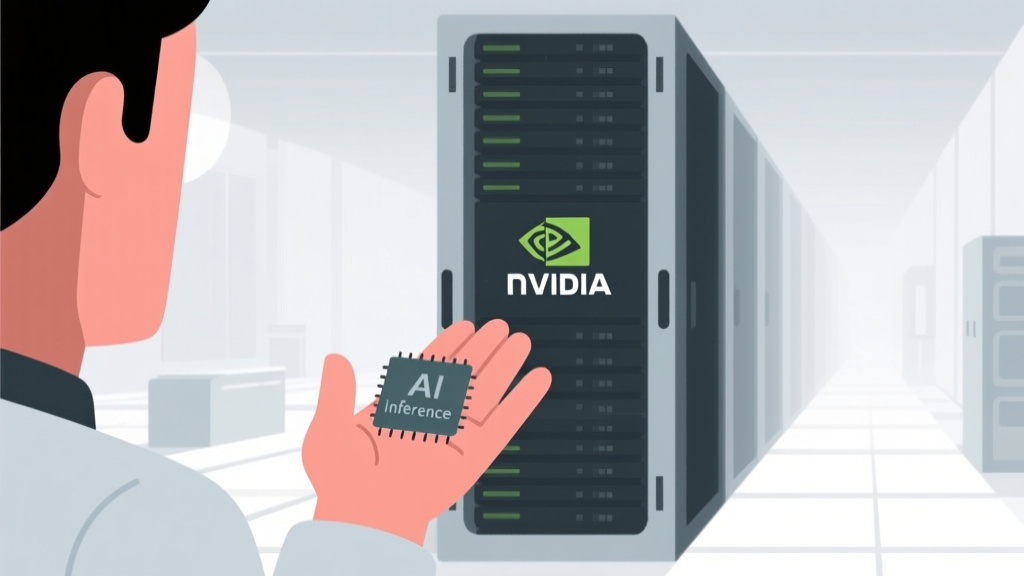
Rebellions' $400M gamble on Nvidia's turf📷 Published: Apr 20, 2026 at 02:23 UTC
- ★$400M pre-IPO funding secured
- ★Inference chips square off against Nvidia
- ★Worth $2.3B before public debut
South Korean AI chip startup Rebellions just banked $400 million in a pre-IPO round that values the company at $2.3 billion—hardly chump change for a player betting everything on AI inference. This is the part of the AI stack that doesn’t get the keynote slides: crunching trained models in real time, not sculpting them in a datacenter. While Nvidia’s GPUs still dominate the training phase, Rebellions is betting Big Tech will pay premium prices to shave milliseconds off latency at inference time—where every second counts in latency-sensitive workloads like ad bidding or recommendation engines.
According to the company, its chips are purpose-built for inference, stripping out the floating-point power hogs that train models and focusing on raw inference throughput. Early benchmarks suggest a 2–3x edge over Nvidia’s A100 in certain low-batch scenarios, but those metrics come with the usual fine print: synthetic workloads, undisclosed model sizes, and no customer commitments beyond early access deals.
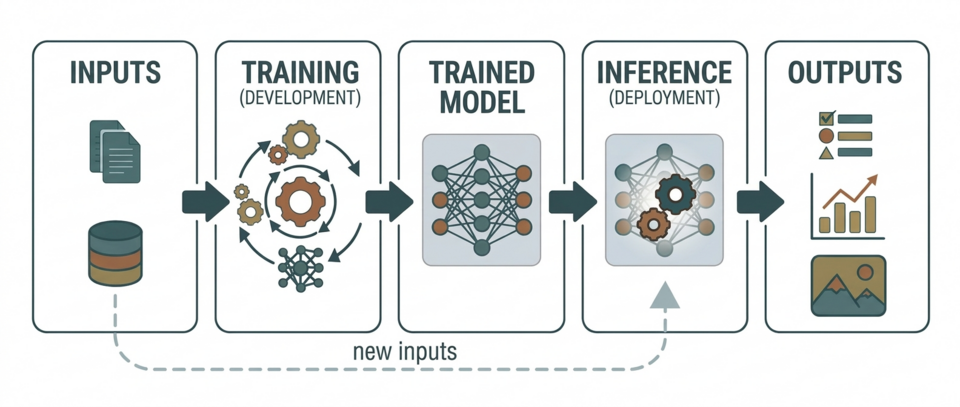
Inference chips aren't the glamorous train your GPUs are on📷 Published: Apr 20, 2026 at 02:23 UTC
Inference chips aren't the glamorous train your GPUs are on
The timing couldn’t be more strategic. Nvidia’s CUDA lock-in and sky-high prices for H100s have already nudged hyperscalers toward custom silicon, from Google’s TPUs to Amazon’s Inferentia. Rebellions now joins the fray with a $2.3 billion story to tell public markets this year—assuming the IPO goes as planned. That valuation implies investors believe inference chips will be a high-margin escape hatch from Nvidia’s training dominance, not just a niche accelerator.
What’s missing? Performance deltas under real-world congestion, cold-start latency numbers, and any signed contracts larger than pilot programs. The inference market is real, but the gap between demo and deployment remains a chasm.
The irony? A $400 million bet on a segment Nvidia already owns, dressed up as David versus Goliath. Until we see production workloads, this looks less like disruption and more like a well-timed IPO teaser.