
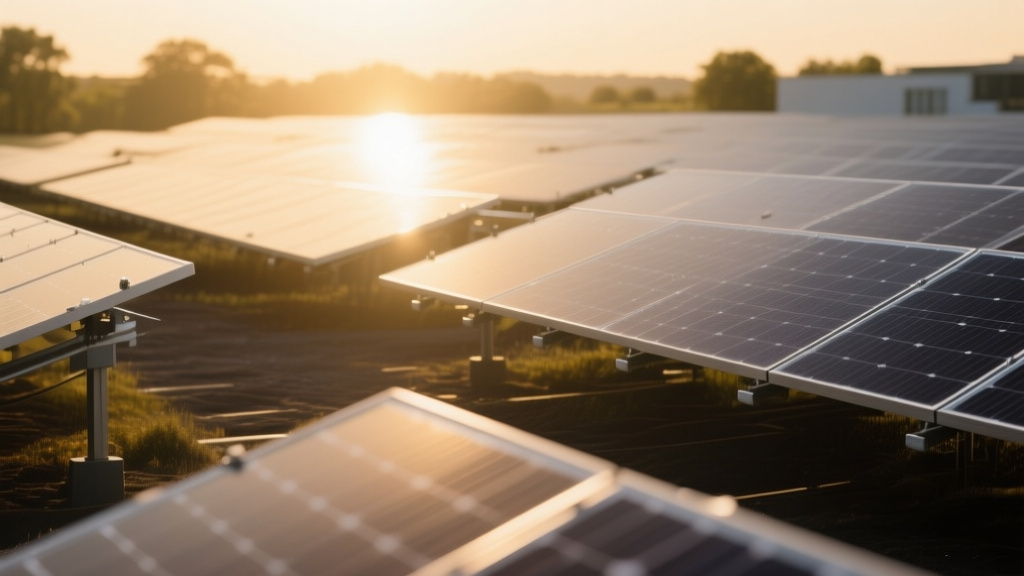
AES Maximo Installs 100MW Solar📷 Source: Web
- ★Maximo robots
- ★100 megawatts installed
- ★California deployment
Maximo, a robotics startup incubated by energy company AES, has successfully deployed its solar panel installation robots at a site in California. The robots have installed 100 megawatts of solar capacity, showcasing their potential for large-scale solar deployments. According to The Robot Report, this deployment demonstrates the feasibility of using robots for solar panel installation.
The use of robots in solar panel installation can significantly reduce the time and cost associated with traditional manual installation methods. As noted by AES, the Maximo robots are designed to work efficiently and safely, even in challenging environmental conditions. With the growing demand for renewable energy, the development of such technologies is crucial for accelerating the transition to solar power.

From Demo to Real-World Deployment📷 Source: Web
From Demo to Real-World Deployment
The deployment of Maximo robots in California highlights the potential for robotics to transform the solar industry. As Bloomberg reports, the cost of solar energy has decreased dramatically in recent years, making it more competitive with fossil fuels. However, the installation process remains a significant bottleneck in the widespread adoption of solar power. The Maximo robots, with their ability to install solar panels quickly and efficiently, can help address this challenge.
The success of Maximo robots also raises questions about the scalability and reliability of such technologies. As IEEE notes, the development of robust and reliable robotics systems is essential for their widespread adoption in industries like solar energy. With further advancements in robotics and artificial intelligence, we can expect to see even more innovative solutions for solar panel installation and maintenance.
The industrial implications of Maximo's achievement are significant, as it highlights the potential for robotics to increase the efficiency and reduce the costs of solar panel installation. This can have a positive impact on the overall cost of solar energy, making it more competitive with traditional energy sources. The real bottleneck may not be the technology itself, but rather the regulatory and economic frameworks that support its adoption.