
Tesla’s Robotaxis: Remote Humans at the Wheel Below 10 MPH
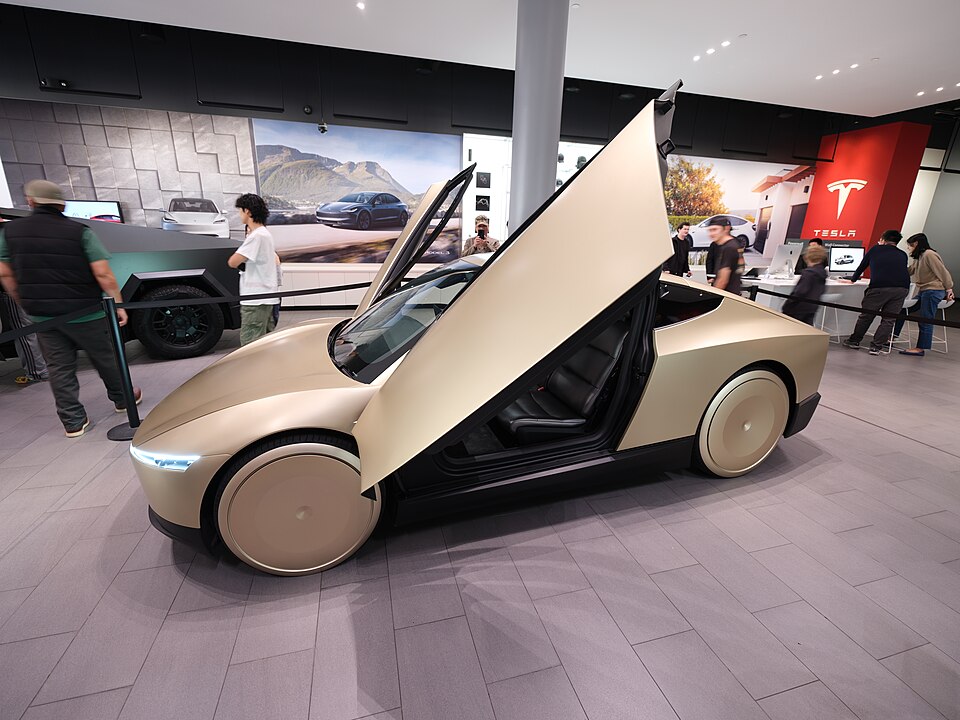
Tesla’s Robotaxis: Remote Humans at the Wheel Below 10 MPH📷 Published: Apr 12, 2026 at 02:14 UTC
- ★Remote human drivers intervene at low speeds
- ★Disclosure follows U.S. senator’s scrutiny
- ★Limited autonomy exposes FSD’s real-world gaps

Tesla’s admission that its Robotaxis occasionally rely on remote human drivers isn’t just a footnote—it’s a rare glimpse behind the curtain of its Full Self-Driving (FSD) claims. The disclosure, buried in a response to Senator Richard Blumenthal’s (D-CT) questions, reveals a practice Tesla describes as rare and confined to speeds below 10 mph. That’s not a bug; it’s a feature of a system still struggling with edge cases the marketing videos never acknowledge.
The speed limit is telling. Below 10 mph, the stakes for collisions are lower, but the need for intervention suggests Tesla’s AI still falters in complex, low-speed environments—parking lots, driveways, or crowded urban drop-offs. These are the exact scenarios where Waymo and Cruise have deployed fleets with safety drivers physically present, not just watching via a screen. Tesla’s remote approach cuts costs but raises questions: If the car can’t handle a parking lot autonomously, what does full self-driving even mean?
This isn’t about occasional glitches. It’s about the gap between Tesla’s regulatory filings—which still classify its system as Level 2 automation—and the public perception shaped by Elon Musk’s promises of a ‘one million Robotaxi fleet’ by 2020. The remote driver workaround is a tacit admission: The hardware and software aren’t there yet for unsupervised operation, even at a crawl.
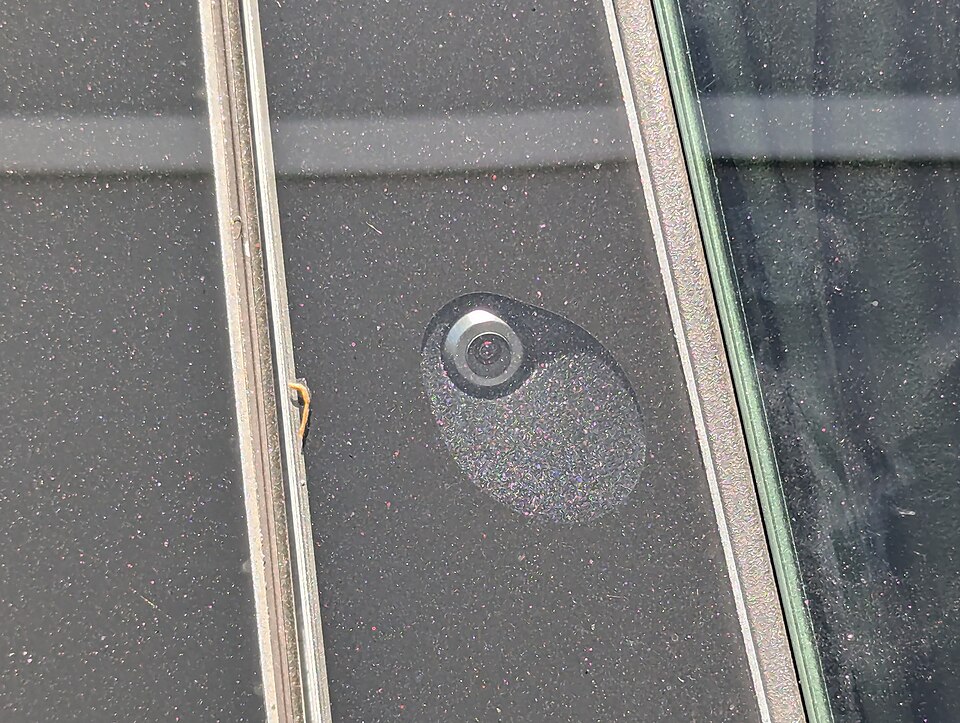
Demo finished. Reality starts now: the unscripted limits of Tesla’s Robotaxi fleet📷 Published: Apr 12, 2026 at 02:14 UTC
Demo finished. Reality starts now: the unscripted limits of Tesla’s Robotaxi fleet
The real deployment barrier isn’t just technical—it’s cultural. Tesla has spent years framing FSD as a solved problem, complete with slick demo videos showing cars navigating cities without intervention. Yet the fine print (and now, senator-prodded disclosures) tells a different story. Remote human drivers are a stopgap, but they’re also a liability: Every intervention is a data point proving the system isn’t closed-loop. For regulators, that’s a red flag. For competitors, it’s an opening.
Then there’s the hardware reality. Tesla’s cameras-and-AI approach lacks the lidar redundancy Waymo and others rely on for high-precision mapping in tight spaces. At low speeds, millimeter-level accuracy matters—something Tesla’s vision-only system may not deliver consistently. The remote driver fix papers over that limitation, but it doesn’t scale. A fleet of Robotaxis requiring human oversight, even sporadically, defeats the economic premise of autonomous ride-hailing: eliminating the driver.
The community’s response has been predictably split. Some developers argue this is a normal step in autonomy’s ‘long tail’ of edge cases; others see it as evidence Tesla’s timeline was always aspirational. What’s undeniable is that the disclosure shifts the burden of proof. It’s no longer about whether Tesla can deploy Robotaxis—it’s about whether they should, given the current state of the tech.