
Zero-Emission Ferries Redefine Short-Sea Freight at Scale
Zero-Emission Ferries Redefine Short-Sea Freight at Scale📷 Published: Apr 20, 2026 at 06:04 UTC
- ★Battery-electric ferry enters service
- ★18.5km Fehmarn Belt route
- ★Zero direct emissions operation
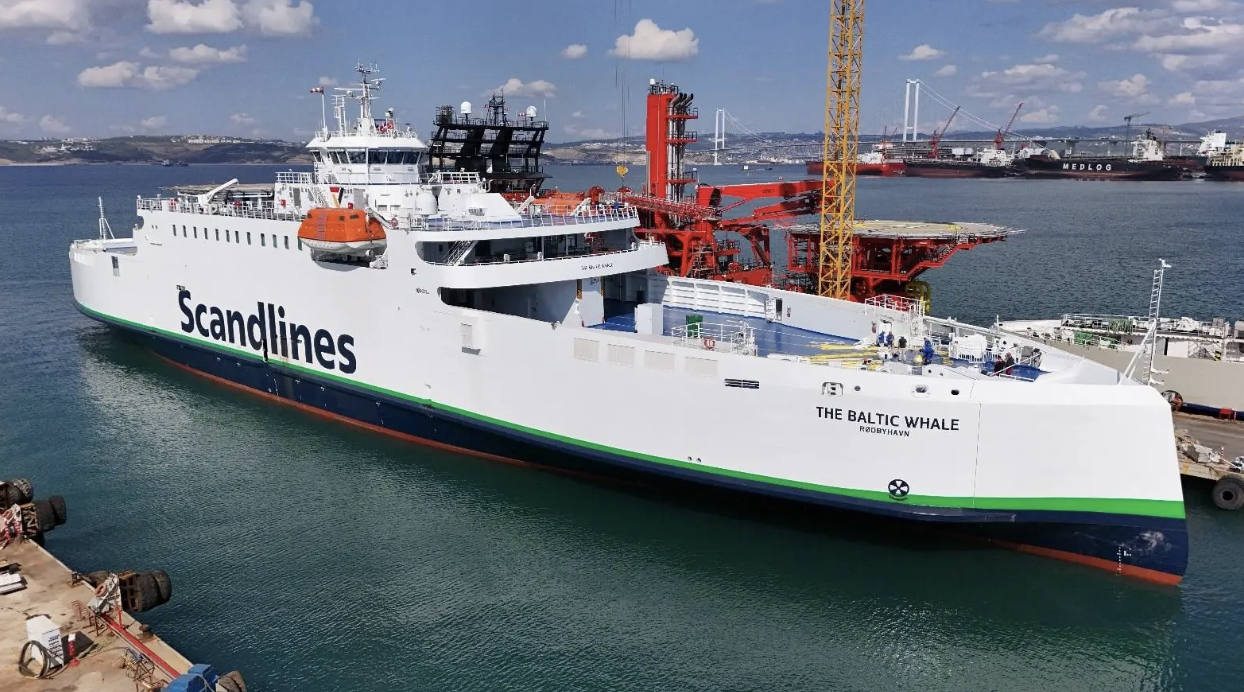
At 08:05 on March 10th, the Baltic Whale completed its first commercial rotation across the Fehmarn Belt, an 18.5-kilometer strait between Germany and Denmark. Operated by Scandlines on the Puttgarden–Rødby corridor, this battery-electric freight ferry now runs scheduled service with zero direct emissions under normal operating conditions—a milestone for short-sea transport. Early signals suggest the vessel is a high-capacity design, though exact tonnage figures remain undisclosed. Still, its deployment marks a tangible shift from pilot projects to routine decarbonization.
The Baltic Whale's arrival comes as the maritime sector faces mounting pressure to cut sulfur oxides, nitrogen oxides, and particulate matter from shipping. According to the International Maritime Organization, maritime transport accounts for nearly 3% of global greenhouse gas emissions, with short-sea routes like the Fehmarn Belt contributing disproportionately due to their high frequency. Scandlines has positioned itself as a leader in green maritime transport, leveraging battery power to sidestep fossil fuel dependence entirely during crossings.
A quiet crossing with outsized implications for green shipping📷 Published: Apr 20, 2026 at 06:04 UTC
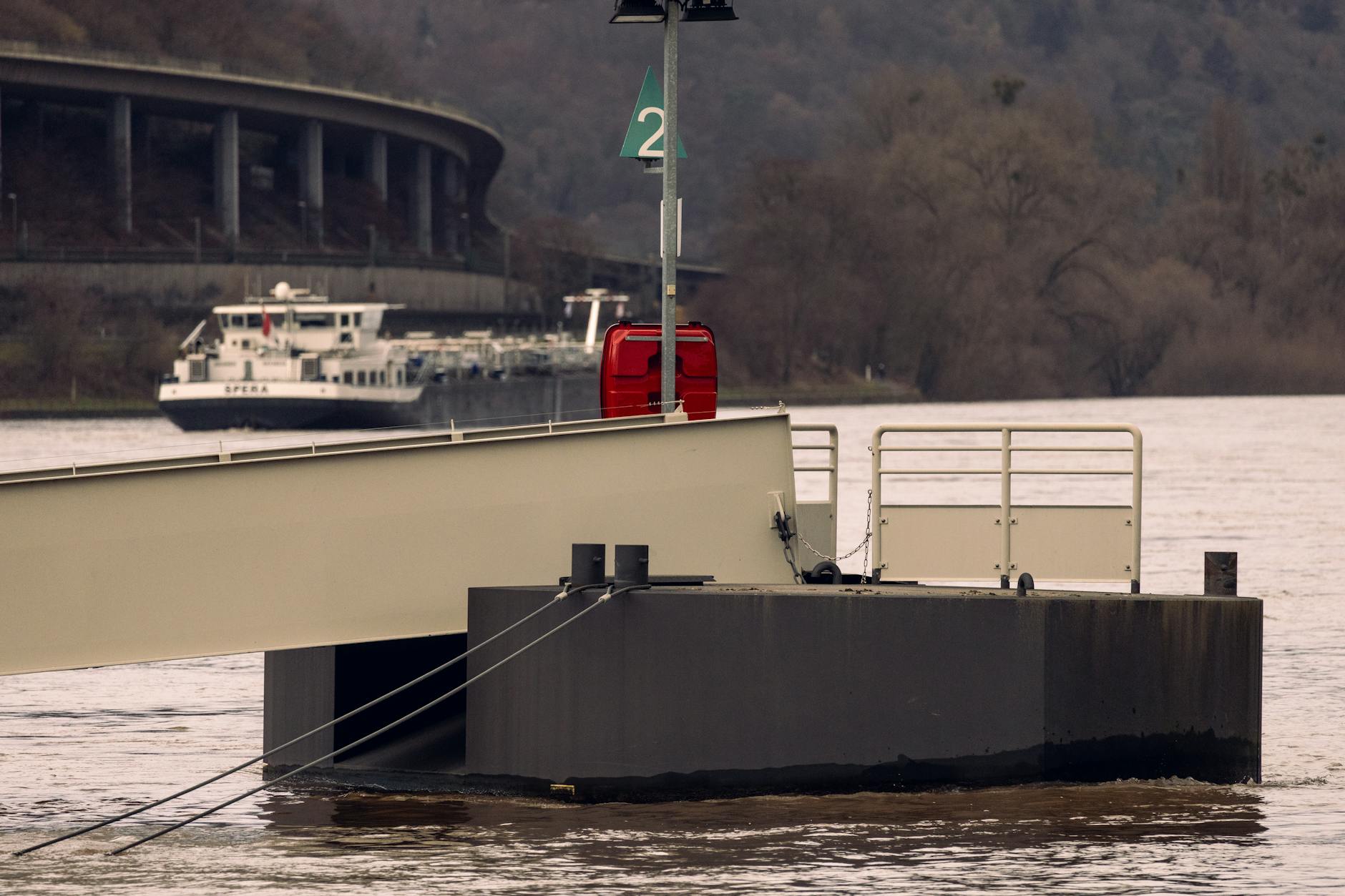
A quiet crossing with outsized implications for green shipping
The technical feat here is not just zero emissions but the operational reliability required for freight schedules. Battery-electric ferries demand rapid charging infrastructure, which Scandlines has implemented at both terminals to ensure turnaround times match diesel-powered vessels. If confirmed, this model could scale to other European corridors like the English Channel or Baltic Sea, where cross-border freight traffic is dense. The community is responding with cautious optimism; shipping analysts note that battery-electric ferries reduce port emissions and noise pollution, aligning with EU Green Deal targets.
What remains uncertain is the long-term cost parity with diesel alternatives. Early estimates suggest battery swapping could offset maintenance expenses, but lifecycle analysis depends on grid carbon intensity and electricity pricing. Operators will watch closely as the Baltic Whale logs thousands of hours in service.
In other words, the Baltic Whale isn’t just a vessel—it’s a proof of concept that zero-emission shipping can meet commercial demands without compromise. The real signal here is that electrification is no longer confined to harbors or inland waters, but ready for open-sea crossings where freight volume justifies investment.