
Nothing’s AI glasses: A smartphone sidekick, not a standalone act
Nothing’s AI glasses: A smartphone sidekick, not a standalone act📷 Published: Apr 7, 2026 at 16:30 UTC
- ★Smart glasses as a phone-dependent AI assistant
- ★Camera and mic specs meet user privacy tradeoffs
- ★Cloud-reliant processing limits offline functionality
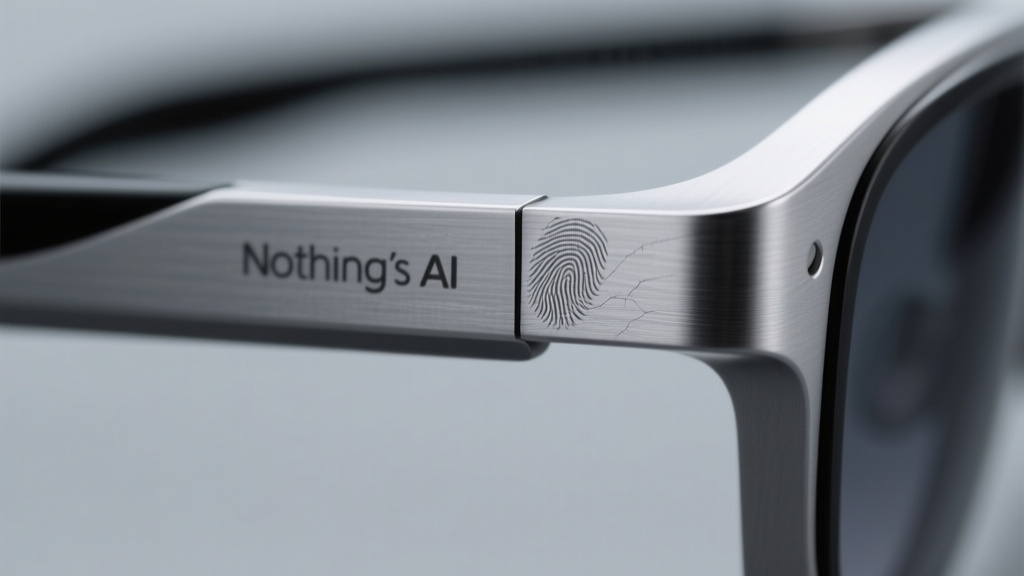
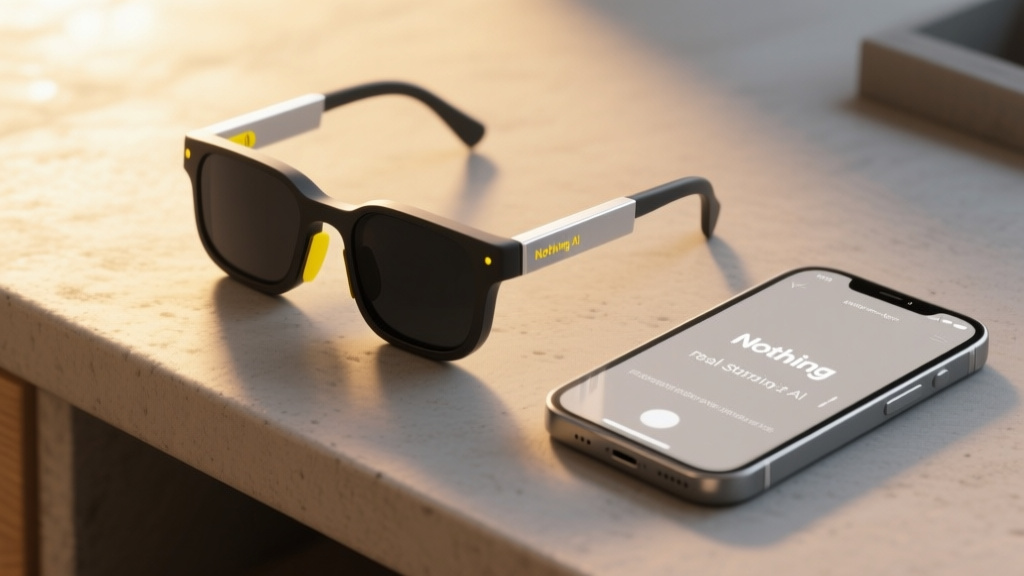
Nothing’s foray into AI wearables isn’t about reinventing the category. According to early signals, its smart glasses will lean on existing hardware: cameras and mics for input, speakers for output, and a tethered smartphone for the heavy lifting. That’s a deliberate contrast to Meta’s Ray-Ban Smart Glasses, which pack more onboard processing but still require a phone for full functionality. The tradeoff is clear—Nothing’s approach prioritizes battery life and simplicity over standalone smarts.
The user reality here is less about cutting-edge AI and more about incremental convenience. Glasses that relay queries to your phone’s AI (or the cloud) avoid the bulk of dedicated chips, but they also inherit your phone’s limitations: spotty connections, app permissions, and the ever-present question of whether you’d rather just pull out your device. For developers, this architecture lowers the barrier to entry—no need to optimize for yet another edge device—but it also means Nothing’s ecosystem remains tied to Android’s whims.
Early adopters might appreciate the lightweight design, but the practical impact hinges on execution. Will the glasses handle quick translations or navigation prompts seamlessly, or will they feel like a clunky middleman? And with privacy concerns already dogging smart glasses, Nothing’s camera-and-mic combo will need more than just sleek industrial design to win trust.
The practical limits of AI wearables that still need your pocket📷 Published: Apr 7, 2026 at 16:30 UTC
The practical limits of AI wearables that still need your pocket
The competitive landscape here is crowded but inconsistent. Meta’s glasses focus on social features, while Bose’s audio-first frames target music lovers—neither has cracked the ‘must-have’ use case. Nothing’s bet on AI as the killer app is risky; unless its glasses integrate flawlessly with existing workflows (think real-time transcription for meetings or instant visual search), they’ll struggle to justify their existence beyond novelty.
Ecosystem effects could ripple further than Nothing’s hardware. If these glasses rely on cloud processing, they’re effectively a Trojan horse for Google’s or Samsung’s AI services—assuming Nothing doesn’t build its own. That’s a gamble: users may balk at another device siphoning data to the cloud, especially if the payoff is marginal. The developer community is already skeptical of fragmented wearables; unless Nothing offers unique APIs or tight integration with its Phone (2), these glasses risk becoming another orphaned accessory.
The real test isn’t the specs—it’s whether Nothing can convince users that glancing at a lens is faster than tapping a screen. Early adopters might tolerate the tradeoffs, but mainstream success depends on solving a problem people actually have, not just adding another layer to their digital lives.