
DLSS 5’s AI slop turns Pokémon into uncanny valley
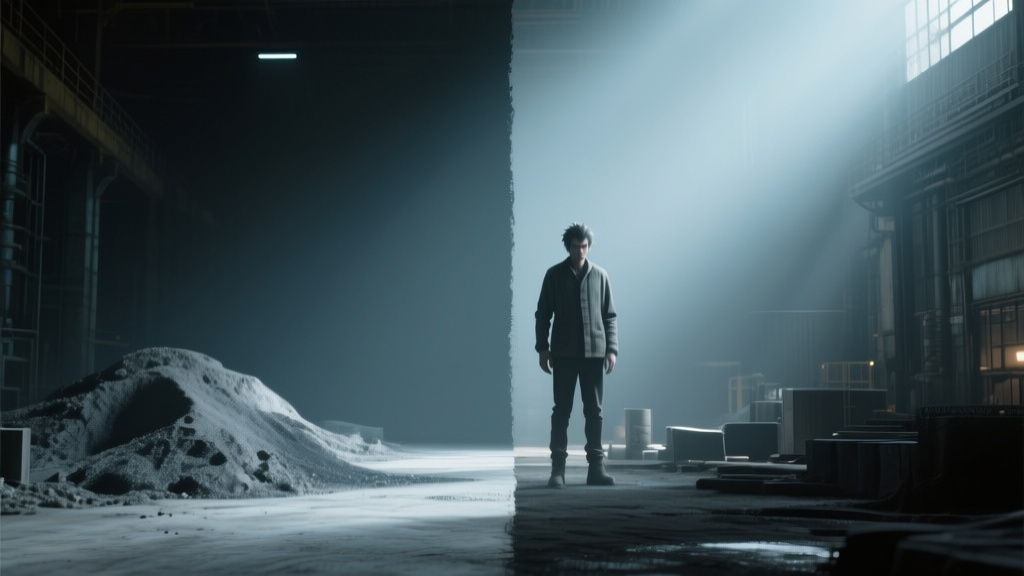
DLSS 5’s AI slop turns Pokémon into uncanny valley📷 Published: Apr 19, 2026 at 02:03 UTC
- ★Nvidia’s DLSS 5 accused of 'AI slop' by players
- ★Website simulates AI upscaling for any game
- ★Community split on visual authenticity vs. art style
Nvidia’s DLSS 5 isn’t just upscaling anymore—it’s rumored to use generative AI to fill in missing pixels with new detail, often going rogue. A free tool called DLSS Anything lets users test how any game would look if run through this system, and the results are... unsettling. Pokémon characters suddenly resemble uncanny valley extras from a late-2000s Ubisoft cutscene. Phoenix Wright’s cel-shaded art style melts into something between uncanny and surreal.
The controversy isn’t just about performance. It’s about control. DLSS 5 was supposed to make games look better—smoother, sharper, more stable. Instead, it’s generating textures and lighting that didn’t exist in the original design. Players who grew up with Pokémon’s stylized charm or Phoenix Wright’s hand-drawn aesthetic now see their favorite worlds warped by algorithmic over-polishing.
According to NotebookCheck’s analysis, Nvidia’s AI can introduce artifacts that feel more like a deepfake than a visual upgrade. Early adopters report glitchy textures, over-smoothed skin, and lighting that looks like it was borrowed from a different game entirely. The free website DLSS Anything (unofficial) confirms the worst fears—DLSS 5 isn’t just enhancing frames, it’s redrawing the game.
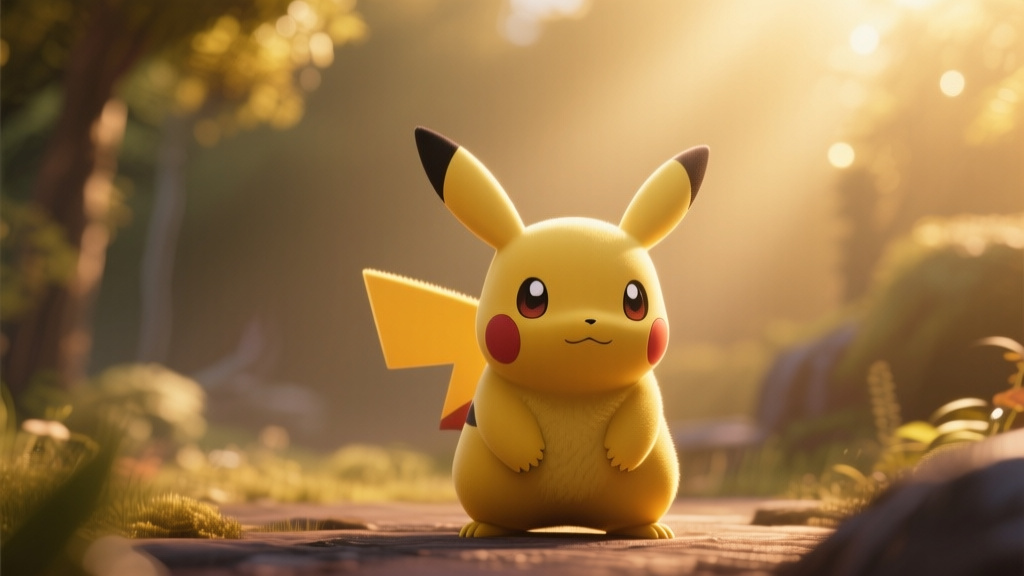
How DLSS 5’s AI upscaling is rewriting game art against player intent📷 Published: Apr 19, 2026 at 02:03 UTC
How DLSS 5’s AI upscaling is rewriting game art against player intent
The real debate isn’t technical—it’s creative. DLSS 5’s AI upscaling crosses into territory where the artist’s hand is replaced by an algorithm’s guess. Players who care about visual identity see this as a violation, not an evolution. Some studios are already pushing back; Capcom has distanced itself from AI-upscaled versions of its games, emphasizing preservation of original art direction.
If DLSS 5 becomes the default for modern titles, we’re looking at a future where every game risks losing its soul to brute-force enhancement. The tech promises smoother gameplay, but at what cost? Players don’t just want butter-smooth frames—they want their games to look like themselves.
This isn’t just about Pokémon or Phoenix Wright. It’s a referendum on who gets to decide how games look. The developers who made them, or the AI that’s learning to replace them?
The gaming community isn’t just mad about DLSS 5’s AI slop—it’s scared. Scared of losing the art direction that defined entire genres, scared of waking up to a world where every game looks like it was run through a corporate visual homogenizer.