
DLSS 4.5’s Dynamic Multi-Frame: Hype vs. Real Play📷 Published: Apr 20, 2026 at 24:18 UTC
- ★Dynamic Multi-Frame Generation adapts in real time
- ★Frame pacing gets a subtle but real boost
- ★Not enabled by default; manual toggle required
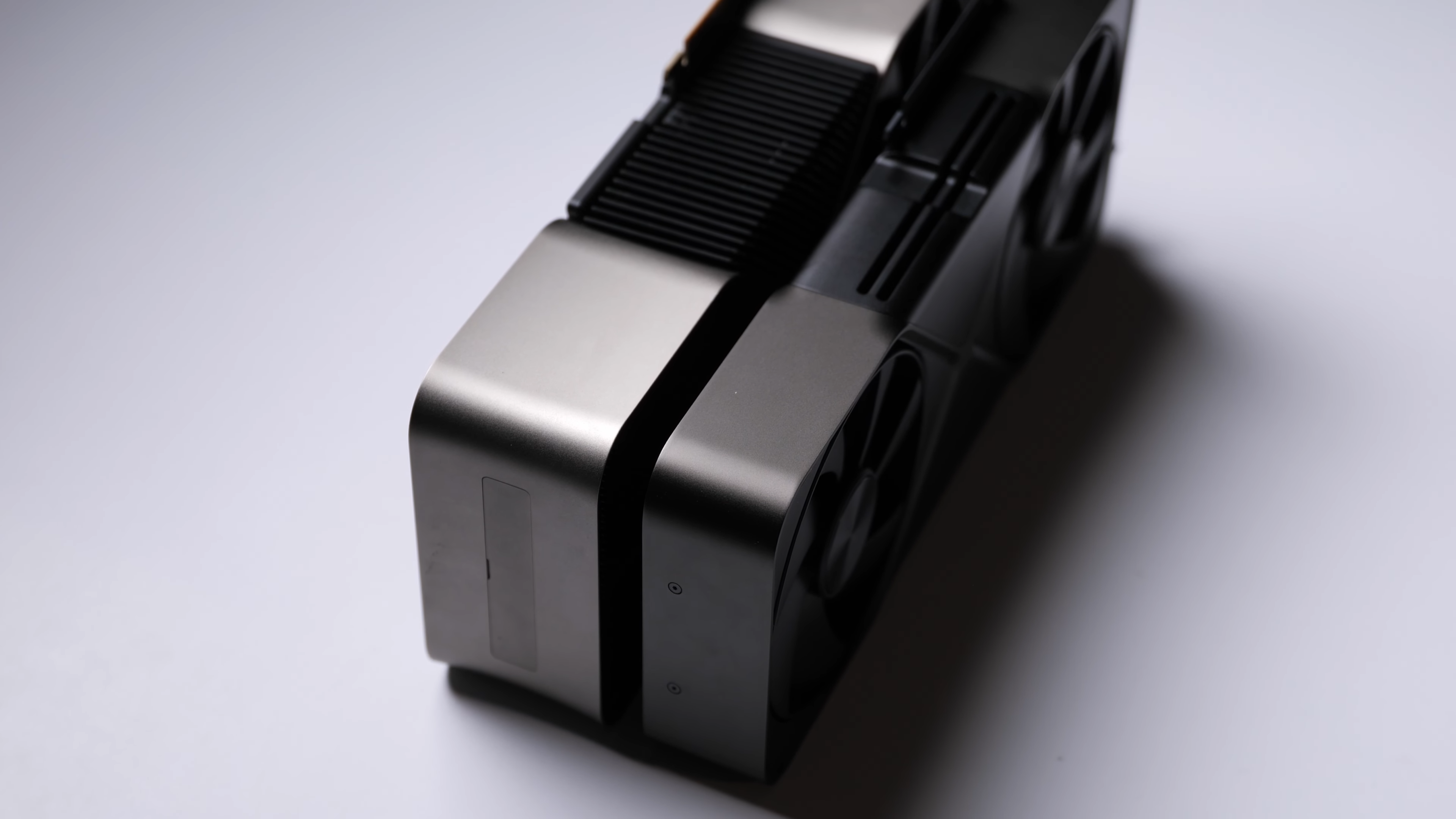
Nvidia’s DLSS 4.5 just added Dynamic Multi-Frame Generation (DMFG) to its frame-smoothing arsenal—and it’s already sparking debates. The feature quietly scales frame generation multipliers on the fly, locking frame rates to your monitor’s refresh rate like some kind of adaptive cruise control for pixels. [CONFIRMED] The magic happens behind the scenes: your RTX 40-series GPU gets a new toy to balance output, reducing stutter without demanding a static 3x or 4x boost. Players with high-refresh setups (think 240Hz monitors) suddenly have a reason to run games at higher resolutions without the usual frame-pacing carnage.
The catch? It won’t just turn on by itself. DMFG lurks in the Nvidia Control Panel or game-specific settings, waiting for enthusiasts to flip the switch. Early adopters on forums report wins—smoother action in Cyberpunk 2077 and Alan Wake 2—but also occasional stutters and input lag spikes. The tech isn’t magic; it’s a trade-off, and Nvidia’s leaving the fine-tuning to you.
The tech that promises smoother frames at 240Hz is here but playing hide-and-seek📷 Published: Apr 20, 2026 at 24:18 UTC
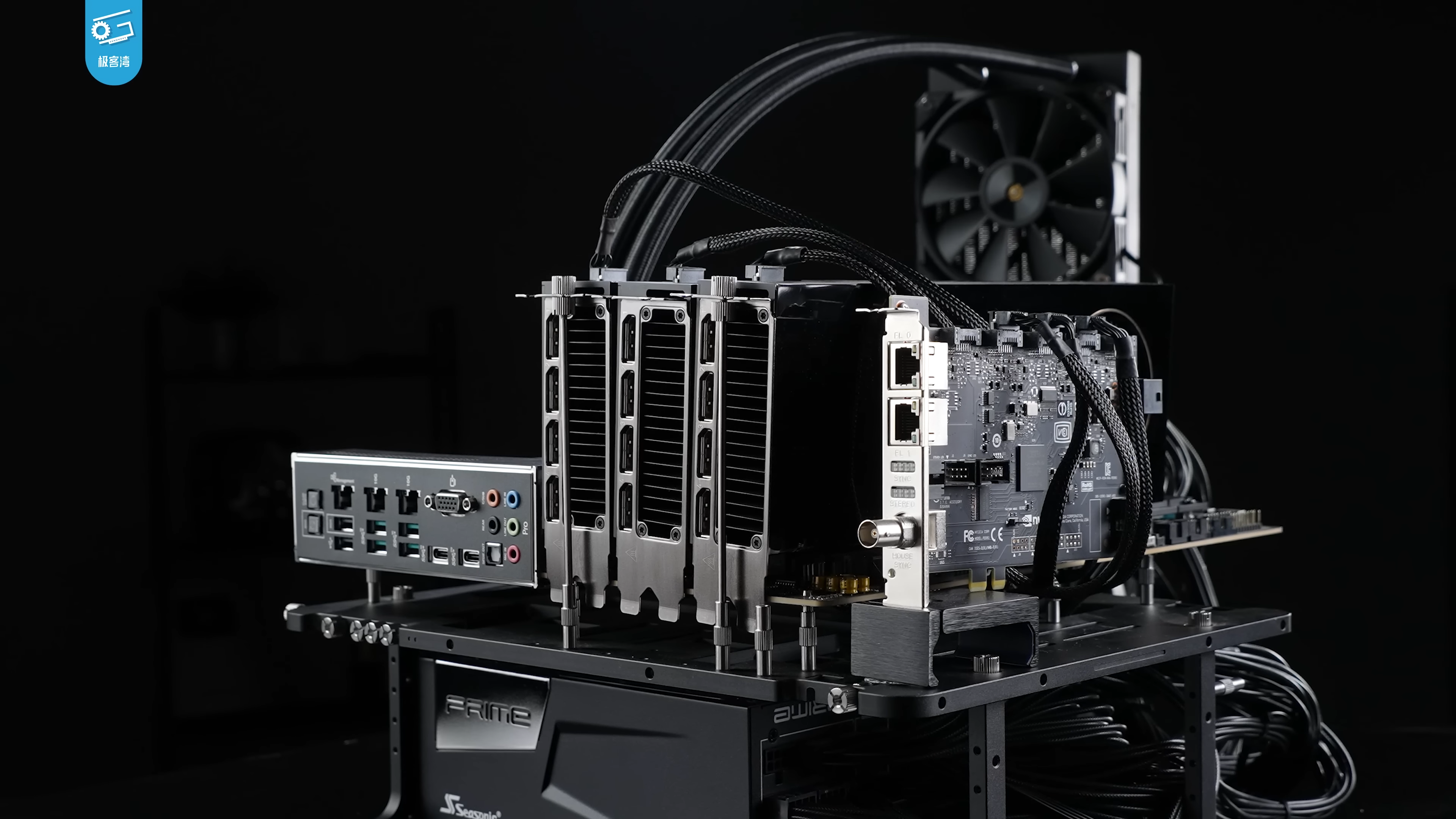
The tech that promises smoother frames at 240Hz is here but playing hide-and-seek
The real question isn’t whether DMFG works—it’s where it doesn’t. [LIKELY] The feature thrives in fast-paced shooters but can stumble in simulation or strategy games where frame pacing is less critical. There’s also the elephant in the room: compatibility. [SPECULATION] If your GPU or game isn’t on Nvidia’s approved list, DMFG might refuse to play ball entirely. Players mixing DLSS with AMD’s FSR 3 Frame Generation should also brace for potential glitches—cross-team tech collisions rarely end cleanly.
The community’s split: some call it a minor miracle for high-refresh diehards, others dismiss it as overhyped interpolation. Either way, DMFG reflects Nvidia’s push to turn frame generation from a party trick into a utility. For now, it’s a toolkit upgrade worth testing—if you’re willing to dig through settings.
In other words, Nvidia’s trying to automate the tedious parts of gaming tweaking. The irony? The feature that’s supposed to free you from tinkering might require more fine-tuning than a 2016 graphics preset.