
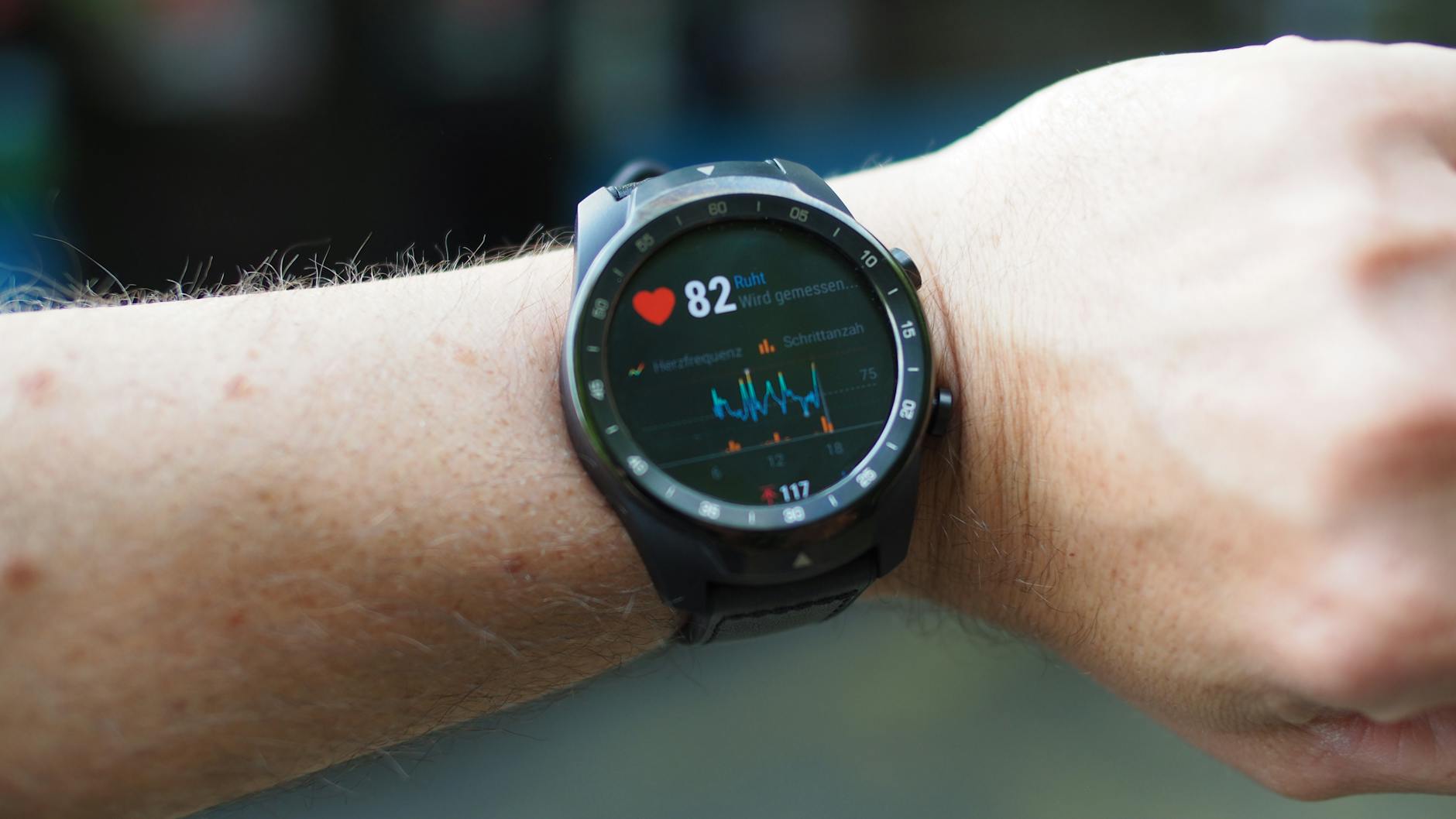
Smartwatch Predicts Heart Failure📷 Published: Apr 16, 2026 at 06:16 UTC
- ★Deep learning model
- ★Smartwatch data used
- ★Heart failure predictions
Researchers have developed a deep learning model that uses smartwatch data to predict peak oxygen uptake and unplanned healthcare events in patients with heart failure. The study, published in Nature Medicine, utilized data from the TRUE-HF prospective cohort and the All of Us Research Program. According to the study, the model was able to accurately predict unplanned healthcare utilization in patients with heart failure.
The model's predictions are intended for remote monitoring of heart failure exacerbations via smartwatch technology. This could potentially allow for early intervention in patients with heart failure, though clinical implementation details are not provided. The study's findings are based on data from a large cohort of patients, but the exact smartwatch brand and model used in the study are not specified.
More information can be found on the Nature Medicine website, which provides an overview of the study's methodology and results. The All of Us Research Program also provides additional information on the study's cohort and data collection methods.
A large study with real limits📷 Published: Apr 16, 2026 at 06:16 UTC
A large study with real limits
The study's results are promising, but it is essential to consider the limitations of the research. The sample size and demographic breakdown of the TRUE-HF and All of Us cohorts are not provided in the snippet, which could impact the generalizability of the results. Additionally, the study's findings are based on a specific population, and it is unclear whether the results would be applicable to other groups.
Despite these limitations, the study's results have significant implications for the field of medicine. The use of smartwatch data to predict heart failure exacerbations could potentially improve patient outcomes and reduce healthcare costs. Further research is needed to fully explore the potential of this technology. As noted by The Verge, the use of wearable devices in healthcare is a rapidly evolving field, with many potential applications.
For more information on the potential applications of wearable devices in healthcare, visit the Wired website, which provides in-depth coverage of the latest developments in the field.
The study's findings have significant implications for future research and patient care. The use of smartwatch data to predict heart failure exacerbations could potentially improve patient outcomes and reduce healthcare costs. For all the noise, the actual story is that this technology has the potential to make a real difference in the lives of patients with heart failure.