

The rare HIV controllers rewriting treatment rules📷 Published: Apr 16, 2026 at 10:18 UTC
- ★Only 0.5% maintain viral control off ART
- ★Immune responses may differ fundamentally
- ★No immediate change for current patients
For the 39 million people living with HIV worldwide, daily antiretroviral therapy (ART) is a non-negotiable lifeline. Stopping treatment typically triggers viral rebound within weeks, as the virus resurfaces from latent reservoirs in the body. Yet a tiny fraction—estimated at just 0.5% of those infected—defy this pattern, maintaining undetectable viral loads for months or even years after discontinuing ART. These individuals, often called "post-treatment controllers," have become a focal point for researchers seeking to understand why some immune systems can naturally suppress HIV without medication.
The phenomenon was first documented in the early 2000s, but recent observational studies, including a 2023 analysis published in Nature Medicine 1, have begun to map the biological differences in these rare cases. The data suggest that post-treatment controllers may possess unique immune signatures, such as elevated levels of CD8+ T cells or specific genetic markers like the HLA-B*57 allele, which is also associated with slower HIV progression. However, these findings remain correlational. The mechanisms driving sustained viral control are still speculative, with no single factor yet proven to be causal.
Sample sizes in these studies are inherently limited. The largest cohort to date, the VISCONTI study, followed just 14 post-treatment controllers over a decade. While the results are intriguing, they fall short of establishing a replicable biological pathway. As Dr. Anthony Fauci noted in a 2022 Journal of Infectious Diseases editorial 2, "The field is still in the discovery phase. We are observing a biological curiosity, not a therapeutic blueprint."
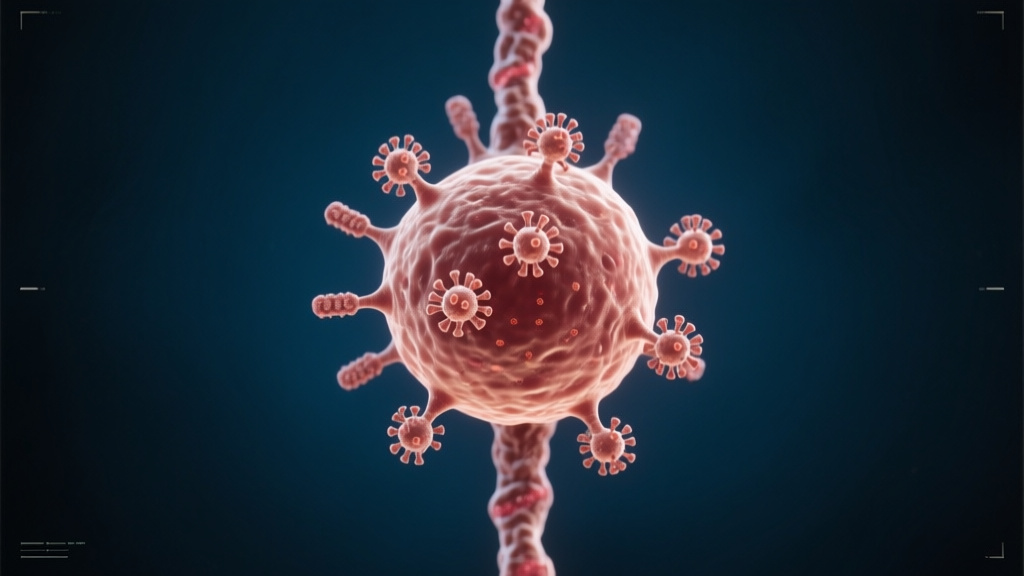
Observational data reveals a biological outlier group—but clinical applications remain distant📷 Published: Apr 16, 2026 at 10:18 UTC
Observational data reveals a biological outlier group—but clinical applications remain distant
For patients currently on ART, these findings offer no immediate changes to treatment protocols. The World Health Organization’s guidelines 3 continue to emphasize uninterrupted therapy as the gold standard for viral suppression. The risk of rebound—even in those who appear to control the virus temporarily—outweighs any potential benefit of stopping medication. Moreover, the biological factors that enable natural control in some individuals may not be transferable. Genetic predispositions, for example, cannot be replicated through current medical interventions.
The real promise of this research lies in its potential to inform future therapies. If scientists can isolate the mechanisms that allow post-treatment controllers to suppress HIV, they might develop treatments that mimic or induce similar immune responses. One avenue being explored is therapeutic vaccines designed to train the immune system to target latent viral reservoirs. Early-phase trials, such as those testing the HIVACAT T-cell vaccine 4, have shown modest success in eliciting immune responses, but none have yet achieved sustained viral control without ART.
Regulatory pathways for such treatments remain distant. The U.S. Food and Drug Administration (FDA) has not approved any HIV cure or functional cure strategy, and the agency’s guidance 5 emphasizes the need for robust, long-term data before considering such therapies. For now, post-treatment controllers remain a biological puzzle—one that may eventually unlock new treatment paradigms, but not one that changes clinical practice today.
The real signal here is that HIV research is entering a phase where outliers are no longer dismissed as anomalies but studied as potential keys to broader breakthroughs. If future studies can identify reproducible immune or genetic factors, they could pave the way for therapies that reduce or even eliminate the need for lifelong ART. Until then, the focus must remain on expanding access to existing treatments, which remain the most effective tool against the virus.