
Construction’s robotics reality: FieldAI exits the demo phase
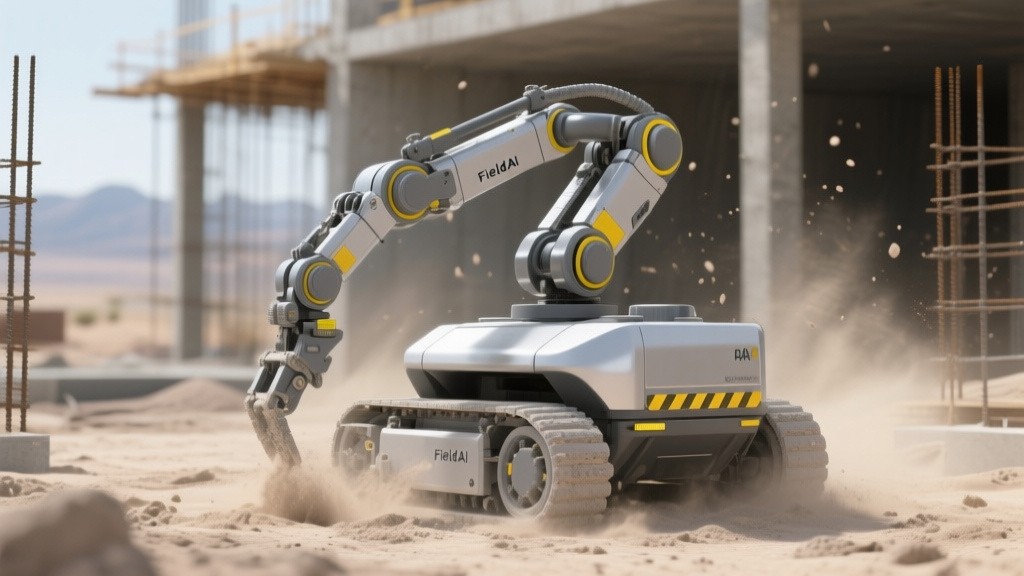
Construction’s robotics reality: FieldAI exits the demo phase📷 Published: Apr 7, 2026 at 08:15 UTC
- ★Two-year FieldAI pilots now scaling to live job sites
- ★No specs on battery life, payload, or environmental limits
- ★Industry watches for certification and reliability hurdles
Big-D Construction’s quiet shift from FieldAI pilot programs to operational deployment marks the rare moment a robotics vendor graduates from PowerPoint to paydirt. After two years of testing—long enough to expose most demo-stage flaws—the Utah-based contractor is rolling out autonomous systems across unspecified projects, a move that implies FieldAI’s tech has survived the gauntlet of dust, vibration, and human error that defines real-world construction.
The absence of hard specs in the announcement is telling. No mention of battery swaps between shifts, payload capacities for material handling, or how LiDAR-based navigation performs in dynamic environments where forklifts, cranes, and workers move unpredictably. These aren’t oversights; they’re the unsexy details that separate a viral demo from a tool foremen will tolerate after 5 PM.
Early signals suggest the focus is on repetitive tasks—site grading, progress monitoring, or inventory tracking—where autonomy’s value is easiest to quantify. But the real test isn’t whether the robots can dig a trench; it’s whether they can do it faster than a skid-steer operator who’s been doing it for 20 years, without requiring a PhD in exception handling.
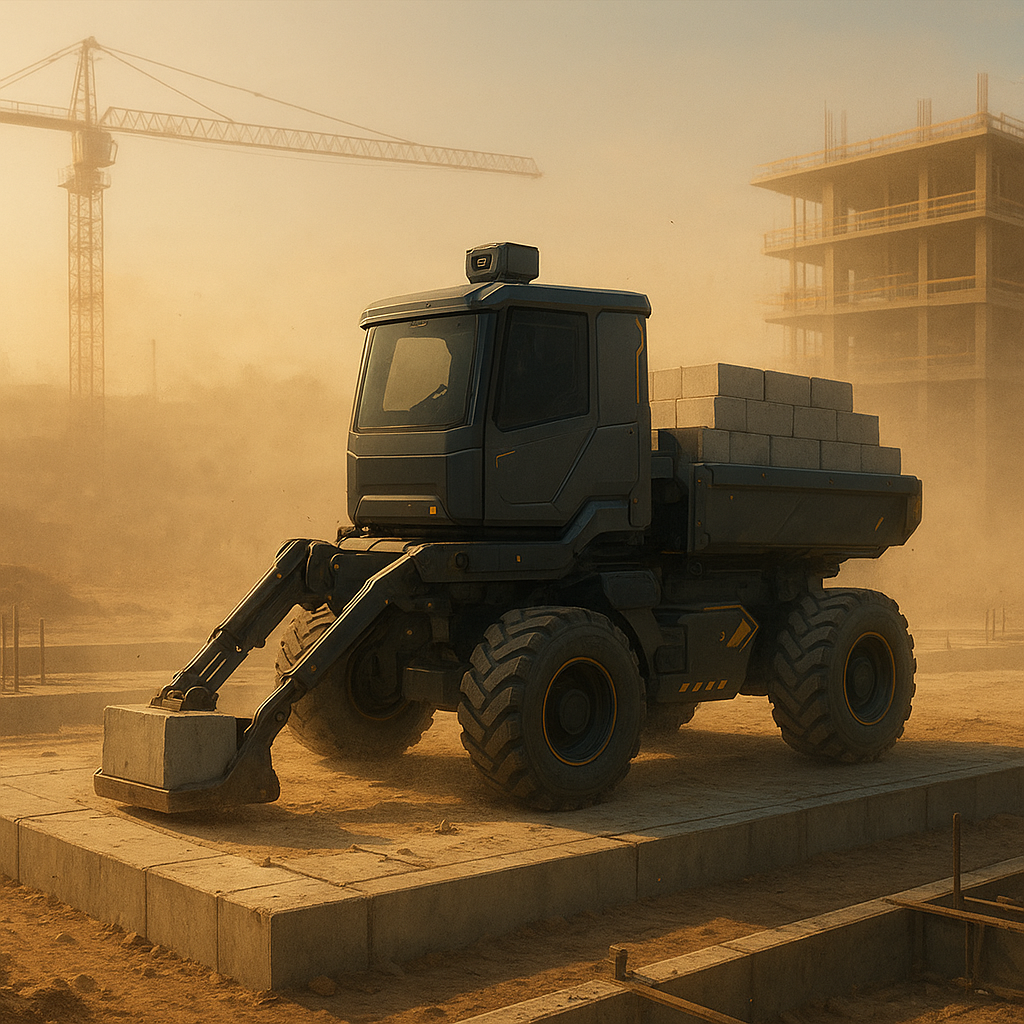
The gap between controlled tests and chaotic construction sites📷 Published: Apr 7, 2026 at 08:15 UTC
The gap between controlled tests and chaotic construction sites
FieldAI’s transition from pilot to production mirrors a broader, if cautious, industry trend: contractors are no longer asking if robotics will work, but where they’ll work first. The Association of Equipment Manufacturers notes that adoption spikes when systems integrate with existing workflows—not when they demand entirely new ones. Big-D’s expansion hints at that integration, though without details on how FieldAI’s systems communicate with BIM software or legacy equipment, the claim remains half-proven.
Safety and certification loom as the next hurdles. OSHA hasn’t issued guidelines for autonomous heavy equipment, and insurers are still calculating risk models for machine-human collaboration. Then there’s the reliability tax: a single unplanned shutdown on a critical path task can erase weeks of efficiency gains. Contractors like Big-D won’t scale until they’re confident the robots won’t become expensive paperweights when the Wi-Fi drops or a sensor gets caked in mud.
The most honest signal here isn’t the deployment itself, but the silence around failure modes. No press release mentions how often FieldAI’s systems require manual override, or what happens when a GPS-denied environment—like a downtown high-rise core—disrupts navigation. Those aren’t edge cases; they’re Tuesday in construction.