
North Korea’s supply-chain hack hits open-source’s weak spot

North Korea’s supply-chain hack hits open-source’s weak spot📷 Published: Apr 6, 2026 at 18:20 UTC
- ★State hackers hijacked a developer’s machine for weeks
- ★Malicious updates disguised as routine patches
- ★Open-source’s trust model faces a stress test

A single compromised laptop became the entry point for what security researchers now describe as a meticulously planned infiltration of the open-source ecosystem. According to available information, North Korean hackers—likely affiliated with the Lazarus Group—gained sustained access to a top developer’s system, using it to push malicious updates to a widely used project under the guise of legitimate maintenance. The campaign’s longevity (weeks, not hours) suggests this wasn’t a smash-and-grab operation but a deliberate effort to embed in the software supply chain.
The target wasn’t just any project: it was one so foundational that its updates ripple across thousands of dependent applications, from corporate tools to consumer apps. Early signals suggest the attackers disguised their payloads as minor bug fixes or performance tweaks—the kind of changes that even vigilant maintainers might approve without a second look. For developers who rely on open-source libraries like npm or PyPI, this isn’t just a breach; it’s a violation of the unspoken social contract that keeps the internet’s plumbing running.
What makes this attack particularly insidious is its exploitation of open-source’s greatest strength: trust. Projects like these thrive because strangers collaborate across borders, assuming good faith in each commit and pull request. When that trust is weaponized, the damage isn’t just technical—it’s cultural. The open-source community is now scrambling to audit not just code, but the human processes behind it, from two-factor authentication gaps to the psychological pressure on overworked maintainers.
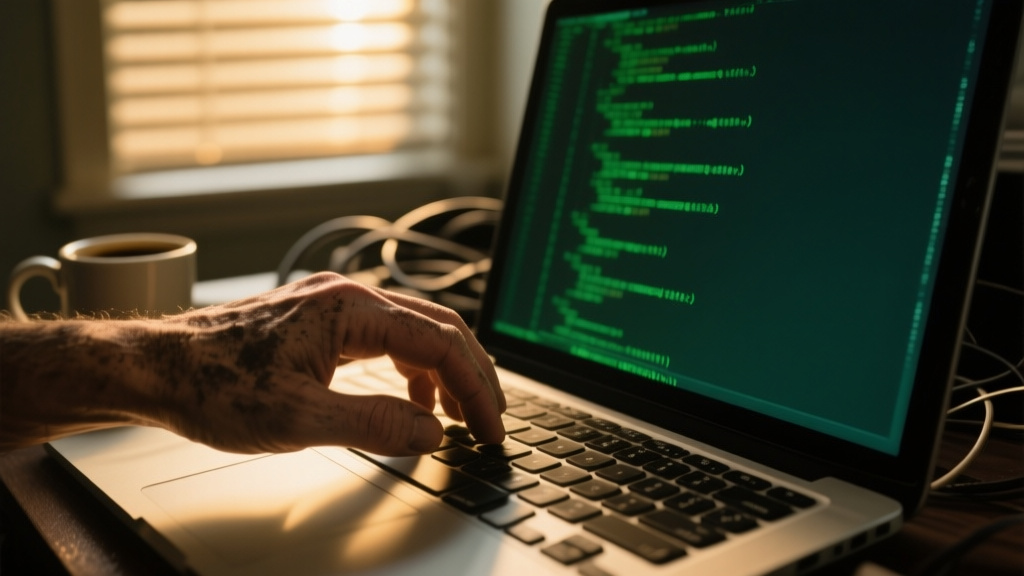
The attack didn’t just exploit code—it exploited the way we build software together📷 Published: Apr 6, 2026 at 18:20 UTC
The attack didn’t just exploit code—it exploited the way we build software together
The winners here aren’t hard to spot. North Korea’s cyber operatives gain a persistent foothold in global infrastructure, with potential payoffs ranging from espionage to cryptocurrency heists—all while the regime faces sanctions that cripple its conventional economy. For the hackers, this is low-risk, high-reward: the cost of compromise (a few stolen credentials) is dwarfed by the access gained.
The losers, though, are more diffuse—and more human. Independent developers now face another layer of paranoia, wondering if their next merge request could be a trojan horse. Companies using open-source tools must divert resources to forensic audits, a tax that small teams can’t afford. And end users? They’ll never know their app’s crash or lag was caused by a geopolitical cyber campaign. The real bottleneck isn’t the code; it’s the erosion of the informal safety nets that let open-source scale in the first place.
Public reactions have oscillated between outrage and resigned acceptance. Some in the infosec community argue this was inevitable given open-source’s underfunded security model; others point fingers at platform providers for not enforcing stricter access controls. But beneath the technical debates lies a quieter question: How many more of these attacks will it take before collaboration itself starts to feel like a liability?