
IRGC warns OpenAI over Abu Dhabi data center📷 Published: Apr 20, 2026 at 24:24 UTC
- ★IRGC targets OpenAI's Stargate in Abu Dhabi
- ★Nuclear data center linked to U.S. power plant threats
- ★Conditional threat follows Tom's Hardware report
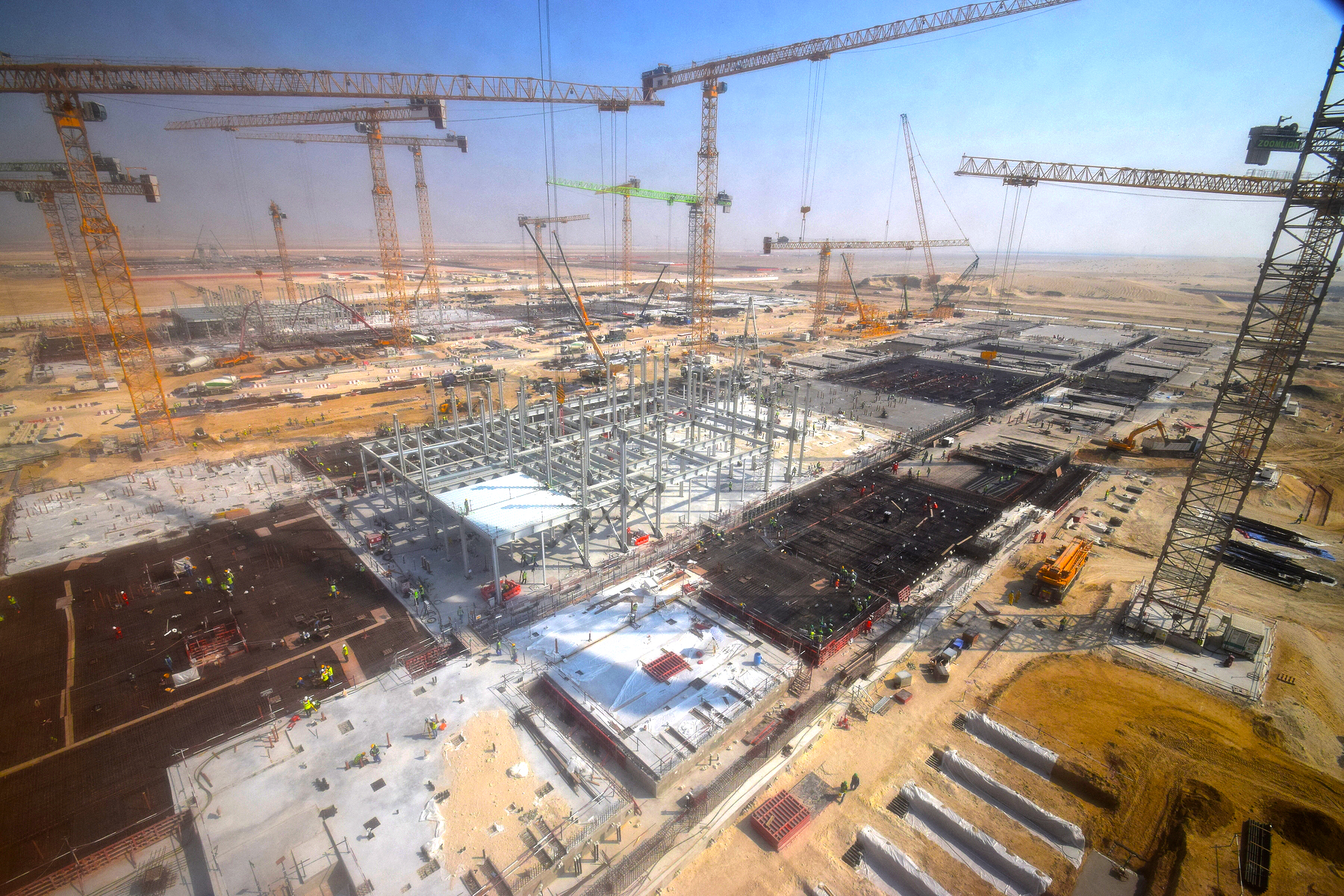
Iran’s Revolutionary Guard has weaponized geopolitics against a data center that doesn’t even exist yet. The threat against OpenAI’s planned "Stargate" hub in Abu Dhabi’s Masdar City is the latest chess move in a regional standoff that pivots on energy infrastructure. According to early signals from state-backed media, the IRGC will act if Washington follows through on threats to strike Iran’s critical power plants.
What makes this twist notable is the target: not a weapons depot or missile silo, but a facility slated to host some of the world’s most advanced AI accelerators. Tom’s Hardware first flagged the Stargate project in February, describing it as a $500 million joint venture between Microsoft, G42, and UAE’s MGX fund. The project’s sheer scale—rumored to pack up to 500,000 GPUs—makes it a high-value pawn in a game where servers are now treated as strategic assets.
Analysts note the IRGC’s calculus likely extends beyond OpenAI itself. The Guard appears to be leveraging Silicon Valley’s footprint to pressure Gulf allies and their U.S.-aligned cloud partners.

A proxy tit-for-tat between Tehran and Silicon Valley📷 Published: Apr 20, 2026 at 24:24 UTC
A proxy tit-for-tat between Tehran and Silicon Valley
The warning arrives as Abu Dhabi’s Masdar City positions itself as a neutral AI oasis, bypassing Western compliance regimes. Early blueprints suggest Stargate will run on sovereign power grids, insulating it from sanctions or cyberattacks. Yet the IRGC’s video—aired April 3rd on X via a state-linked outlet—frames the data center as complicit in any future U.S. strikes on Iranian energy targets.
OpenAI’s involvement complicates the narrative. The company has no announced tie to Stargate, but its name carries enough global weight to make it a convenient rhetorical target. Industry players are already parsing the subtext: if threats escalate, the fallout could redraw the Middle East’s AI map overnight. Meanwhile, the project’s backers remain publicly silent, leaving developers and investors to weigh geopolitical risks against promised compute firepower.
Has any AI data center ever absorbed this much geopolitical glare before? If not, what does that say about the sector’s next flashpoint—and who ends up paying the power bill?