
NASA’s Ignition Program: A Moon Base Without the Orbiter

NASA’s Ignition Program: A Moon Base Without the Orbiter📷 Published: Mar 27, 2026 at 06:12 UTC
- ★Lunar Gateway bypassed for direct base construction
- ★Nuclear propulsion for Mars now part of core strategy
- ★ISS replacement signals shift to deep-space infrastructure
The decision to skip a Lunar Gateway orbital station—long considered a prerequisite for sustained Moon missions—marks a fundamental shift in how NASA views off-Earth infrastructure. Confirmed details of the Ignition Program reveal a three-pronged strategy: a surface base near the lunar south pole, nuclear thermal propulsion for Mars transits, and a commercial low-Earth orbit station to replace the ISS by 2030.
The lunar base, not an orbiter, is now the anchor. This reverses decades of mission architecture, where orbiters served as staging hubs to mitigate risk. The move suggests confidence in precision landing systems and in-situ resource utilization—technologies that, until recently, were considered secondary to orbital logistics. Early signals indicate the base will prioritize water ice extraction for fuel and life support, a direct response to data from NASA’s LCROSS and SOFIA missions confirming polar deposits.
The Mars component is equally stark: nuclear thermal propulsion, tested but never flown, is now a program cornerstone. This isn’t speculative—NASA’s 2023 budget earmarked $110 million for nuclear thermal development, with DRACO (a DARPA-NASA collaboration) slated for a 2027 demo. The implication is clear: chemical rockets are no longer sufficient for crewed Mars missions.
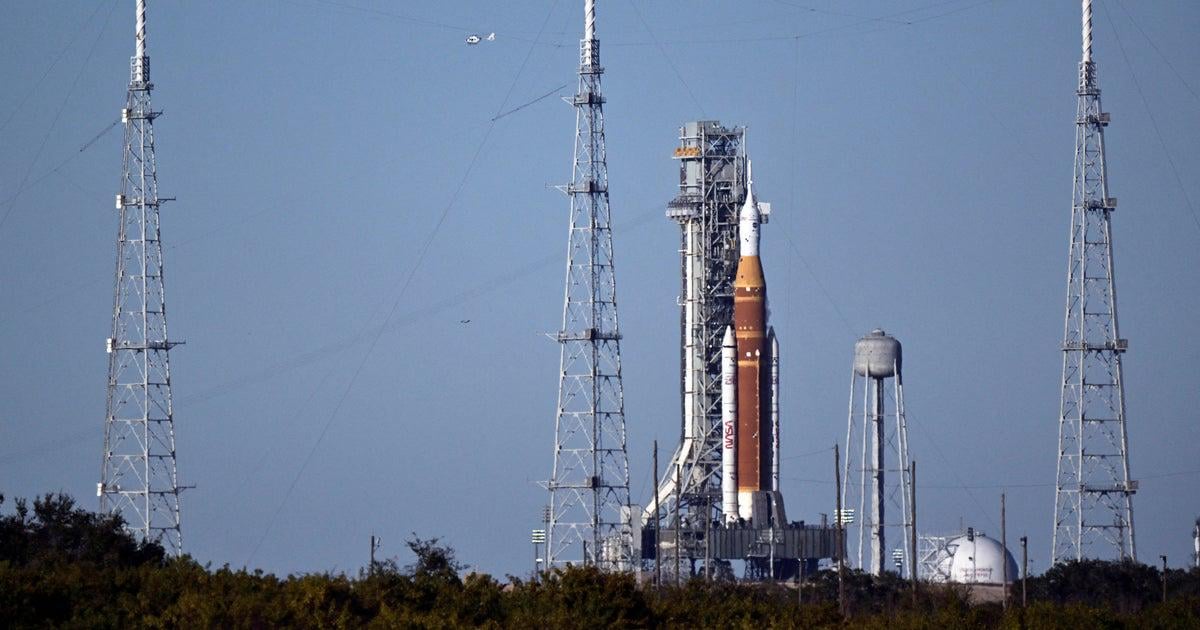
The quiet rewrite of NASA’s exploration timeline—and why it matters more than the hardware📷 Published: Mar 27, 2026 at 06:12 UTC
The quiet rewrite of NASA’s exploration timeline—and why it matters more than the hardware
What’s absent from the announcement is as telling as what’s included. No timeline for the lunar base’s first modules. No clarification on whether the Artemis Accords partners—now numbering 28 nations—will contribute to surface infrastructure or remain limited to orbital and transport roles. And no mention of how this aligns with China’s ILRS base plans, which also target the south pole.
The ISS replacement, meanwhile, is the least controversial but most immediate change. NASA’s commercial LEO destinations (CLD) program has already awarded contracts to Blue Origin, Nanoracks, and Northrop Grumman, with operational targets in the late 2020s. The shift frees NASA to focus on deep space—but it also cedes LEO to private entities, a gamble that assumes commercial demand for microgravity research will materialize.
The real signal here isn’t the hardware; it’s the sequence. By treating the Moon as a destination, not a waypoint, NASA is betting that surface operations—mining, construction, radiation shielding—will drive the next era of exploration. If the gamble pays off, Mars missions become logistically feasible. If it doesn’t, the agency risks repeating Apollo’s boom-and-bust cycle, but with higher stakes.
In other words, this isn’t just a moon base—it’s a test of whether humanity can build and sustain infrastructure beyond Earth without relying on orbital crutches. The south pole’s water ice isn’t just a resource; it’s the first step toward a supply chain that doesn’t begin and end on Earth.