
Artemis II Rollout Signals NASA's Crewed Moon Return
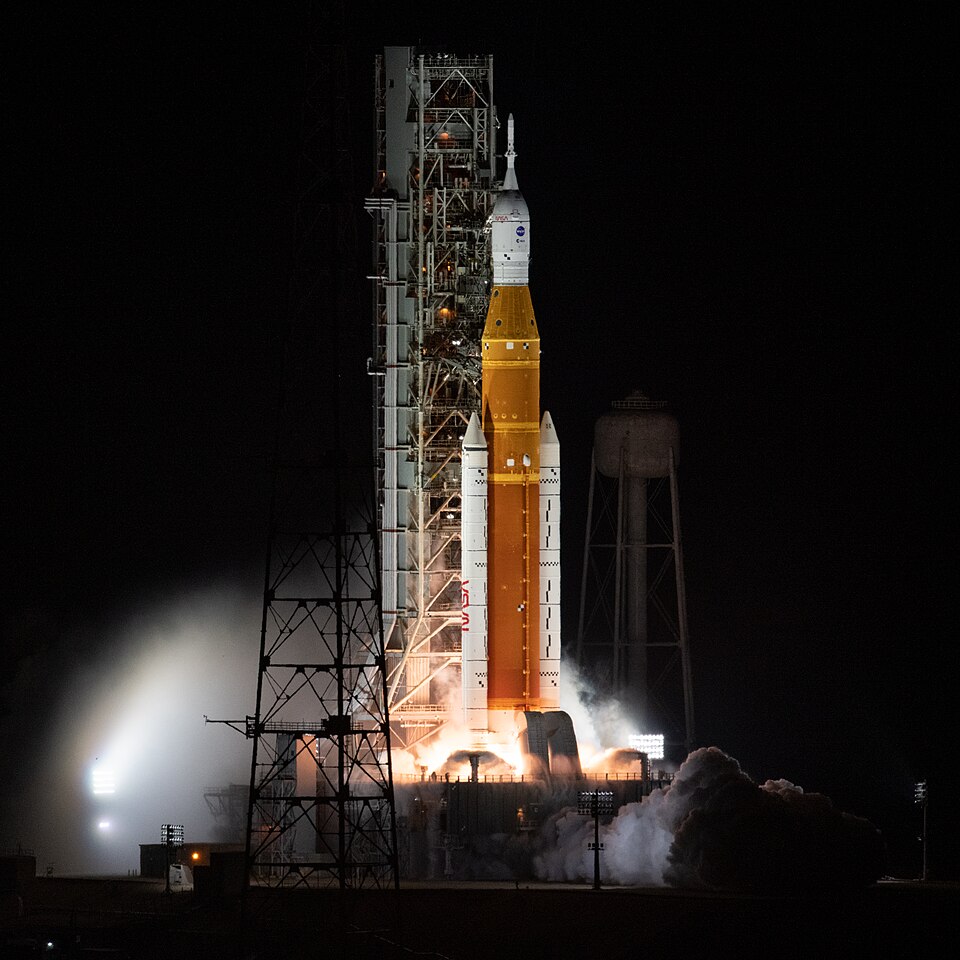
Artemis II Rollout Signals NASA's Crewed Moon Return📷 Published: Mar 26, 2026 at 15:13 UTC
- ★Rollout begins March 19 at Kennedy
- ★Launch window opens April 1
- ★First crewed lunar mission since 1972
The rollout of NASA's Artemis II Moon rocket from Kennedy Space Center's Vehicle Assembly Building to Launch Pad 39B represents more than a visual spectacle — it is the final hardware integration test before four astronauts climb aboard. Beginning Thursday, March 19, NASA will provide continuous live views as the Space Launch System rocket makes its deliberate journey to the pad.
This is not a launch dress rehearsal. It is the procedural groundwork that determines whether a crewed mission to lunar orbit can proceed at all. The launch window opens as early as Wednesday, April 1, but that date remains provisional. Before any commitment to launch, the mission management team will conduct a comprehensive flight readiness review spanning the spacecraft, launch infrastructure, and crew operations.
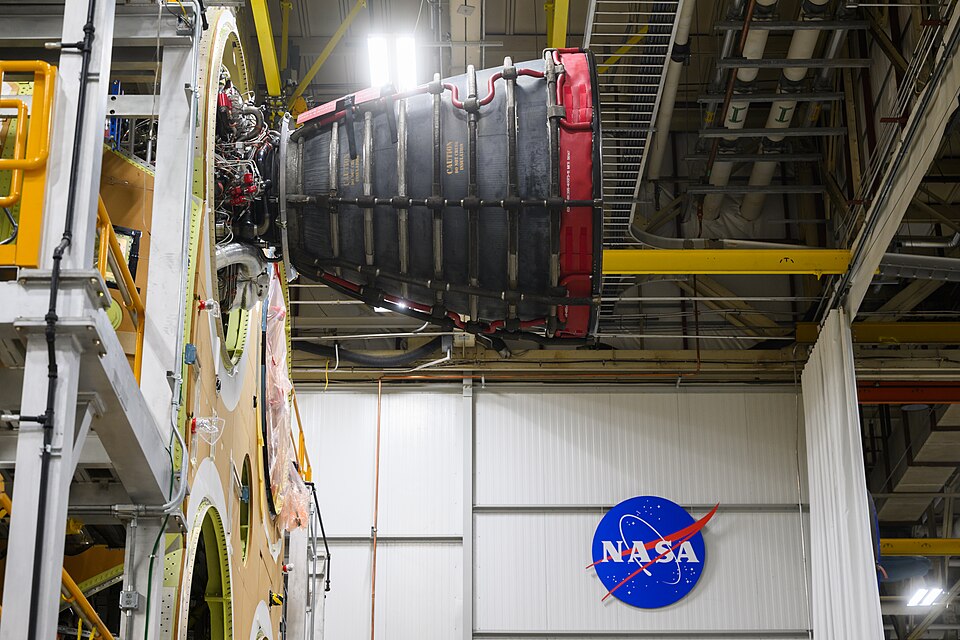
The infrastructure test before astronauts board📷 Published: Mar 26, 2026 at 15:13 UTC
The infrastructure test before astronauts board
Artemis II carries weight beyond its single mission. It will be the first crewed lunar mission since Apollo 17 in 1972, sending astronauts around the Moon and back without landing. This flight tests life support, navigation, and crew coordination in deep space — systems that must function flawlessly before any attempt at lunar surface operations. According to available information from NASA, the Artemis program aims to establish sustained lunar presence, with data from this mission directly informing Artemis III, targeted for later this decade.
What remains uncertain is how integrated systems will perform under real mission conditions. Ground tests can only simulate so much. The real signal here is that NASA has moved from design to deployment — a transition that exposes every assumption to physics.
The question facing Artemis is not whether we can return to the Moon, but whether we can sustain a presence there. A single flyby mission is a milestone — but the larger goal of lunar permanence remains untested.