
NASA's 2028 Mars Mission Tests Nuclear Propulsion Future
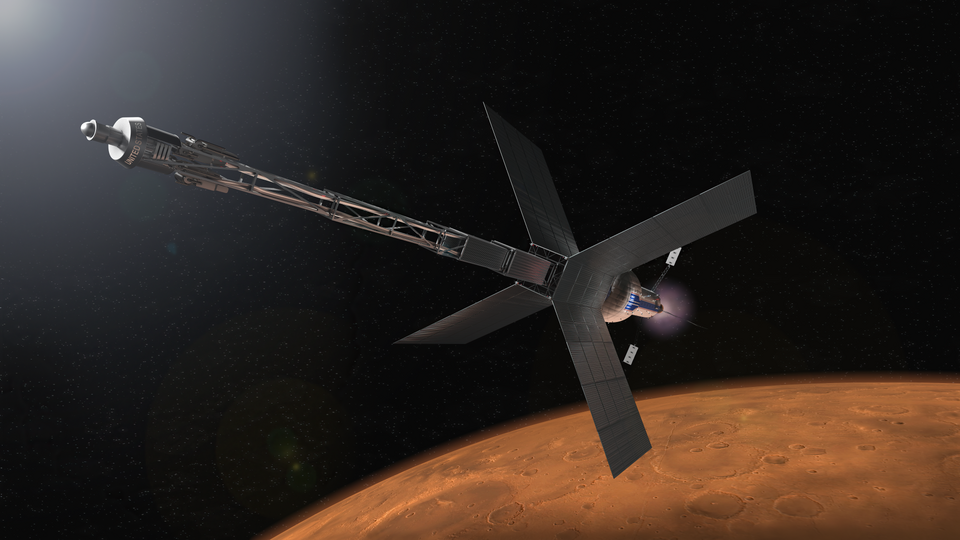
NASA's 2028 Mars Mission Tests Nuclear Propulsion Future📷 Published: Mar 26, 2026 at 12:13 UTC
- ★NASA plans 2028 nuclear propulsion test to Mars
- ★Mission repurposes lunar Gateway hardware
- ★New exploration strategy prioritizes propulsion technology
Nuclear electric propulsion has long promised to transform how spacecraft traverse the solar system. NASA's decision to fast-track a 2028 Mars mission testing this technology marks a concrete step toward that promise — and a notable shift in exploration priorities. According to SpaceNews, the mission will repurpose hardware originally designed for the lunar Gateway, effectively accelerating a capability that might otherwise have remained theoretical for another decade.
The significance is straightforward: nuclear electric propulsion offers sustained thrust over long durations, potentially reducing transit times and increasing payload capacity. Unlike traditional chemical rockets, which burn fuel quickly and coast, these systems generate continuous acceleration. For Mars missions, that efficiency could translate into tangible operational gains.
What's notable here is the timeline. NASA has committed to a specific date — 2028 — rather than issuing vague promises about future capabilities. That specificity suggests internal confidence in both the technology and the agency's ability to execute under its new exploration strategy.
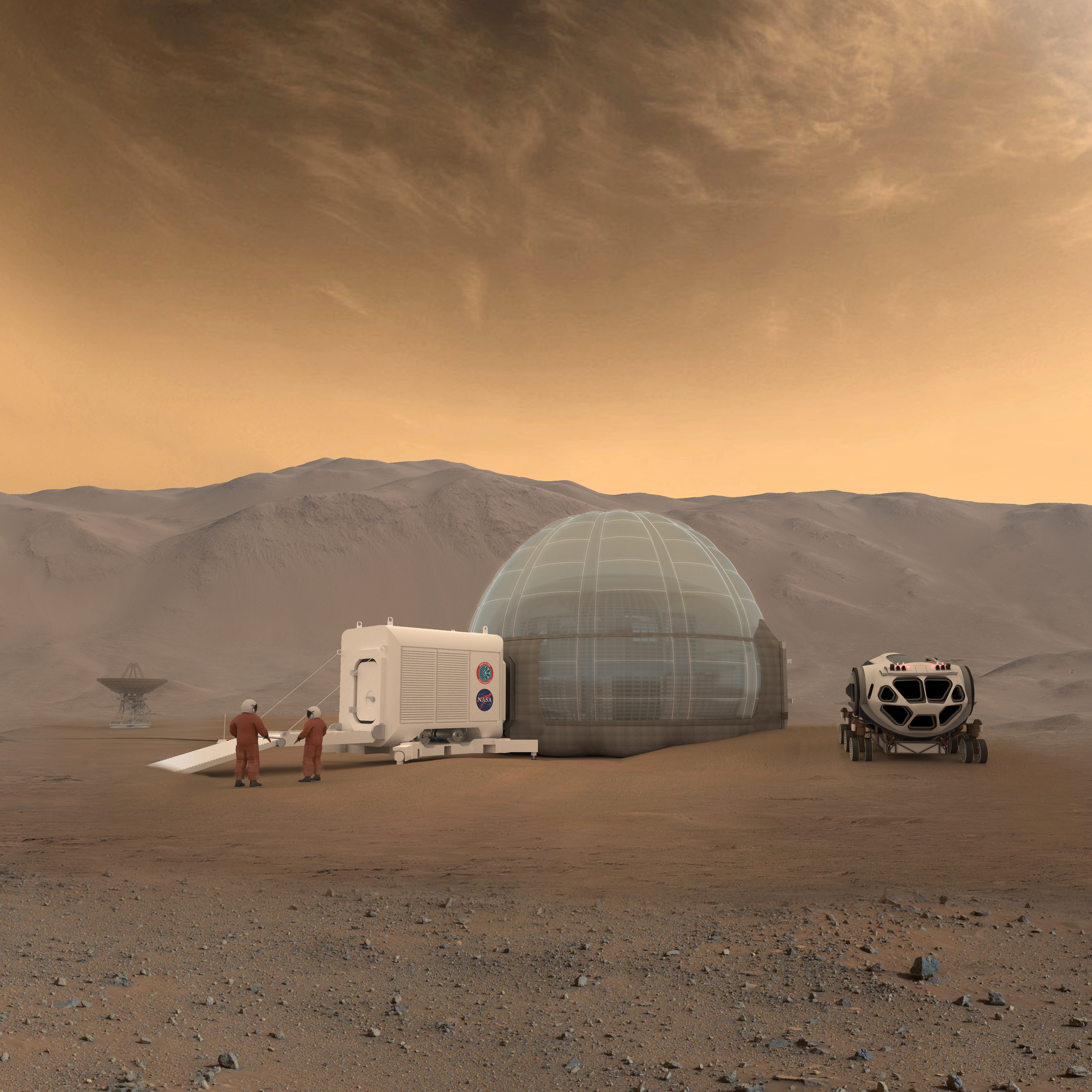
Context: what nuclear propulsion means for Mars exploration📷 Published: Mar 26, 2026 at 12:13 UTC
Context: what nuclear propulsion means for Mars exploration
The hardware repurposing from the lunar Gateway program indicates NASA is prioritizing practical deployment over pristine development cycles. Rather than building entirely from scratch, engineers will adapt existing power and propulsion elements — an approach that saves time but introduces integration complexities that remain to be fully understood.
Scientifically, the mission serves primarily as a technology demonstrator. The objective isn't reaching Mars itself, but proving that nuclear electric propulsion can function reliably in deep space over extended periods. If successful, the implications extend well beyond this single mission: crewed Mars missions, outer planet probes, and sustained lunar operations could all leverage the same underlying technology, as discussed in recent analysis.
What remains unclear is how this mission interfaces with broader Artemis timelines and whether the 2028 target accounts for potential delays in Gateway hardware availability. NASA has not yet detailed specific performance metrics or contingency plans.
Nuclear propulsion represents one of the few technologies capable of fundamentally changing the economics of deep space travel. The difference between months and years in transit time reshapes what missions become feasible.