
NASA’s Moon Pivot is a National Bargain
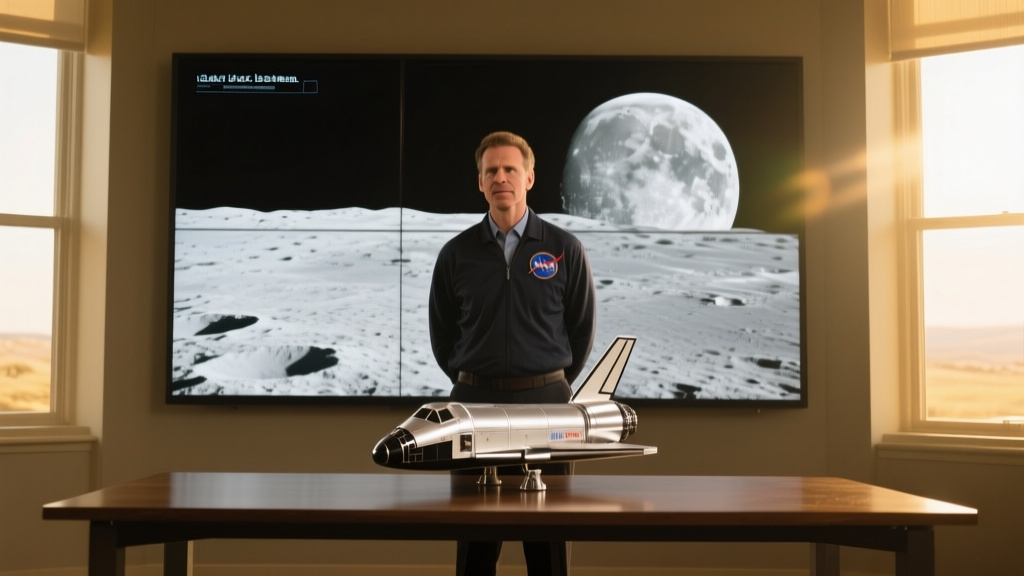
NASA Administrator Jared Isaacman stands in front of a large screen displaying a detailed map of the Moon's surface, with a silver metallic📷 Photo by Tech&Space
- ★US commits to permanent lunar return
- ★Private sector key to NASA’s new strategy
- ★Skills and funding gaps force urgent overhaul
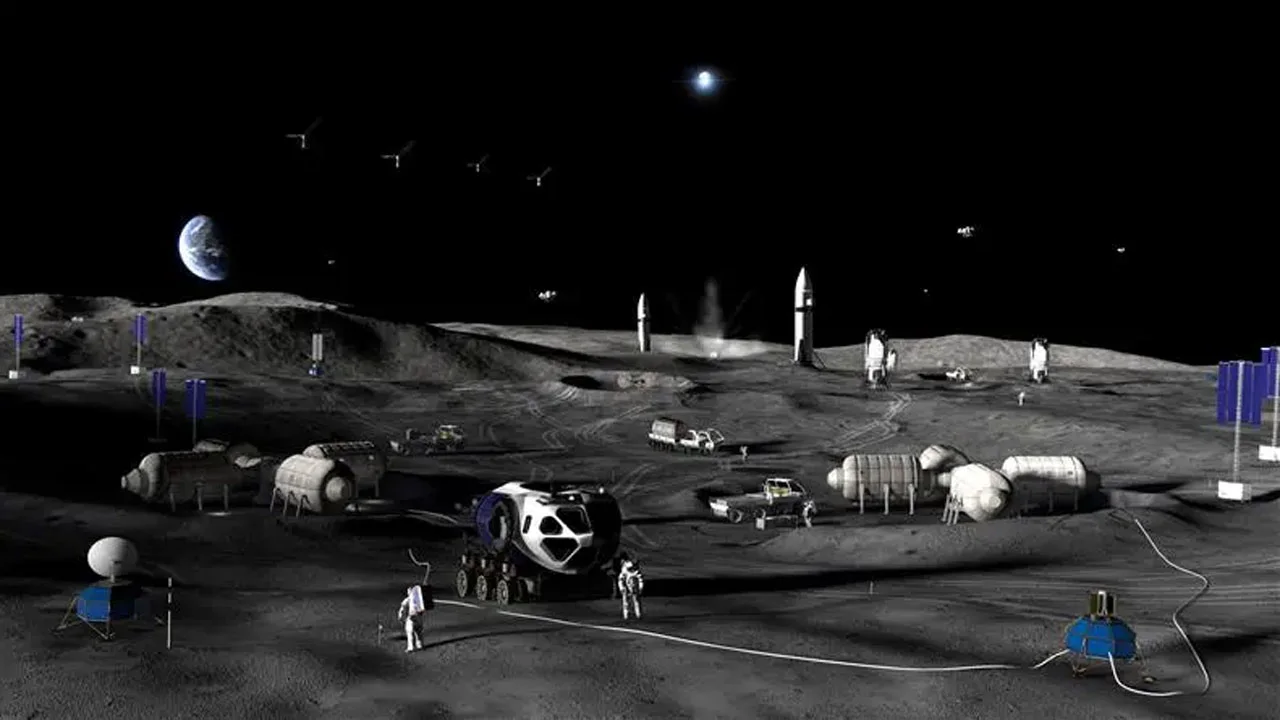
On Tuesday, NASA Administrator Jared Isaacman laid out a revised roadmap that abandons the scattershot approach of the past two decades Fast Company. The agency, once stretched thin across too many stakeholders, is now consolidating its ambitions: a permanent American presence on the Moon, built not by government alone but by a coalition of commercial vendors, scientists, and STEM students. The shift is less about spectacle and more about survival—retaining skills, accelerating timelines, and ensuring that Artemis isn’t just another flags-and-footprints campaign.
The urgency stems from a hard truth: NASA’s workforce is aging, its budget is stretched, and its mission creep has diluted impact. Isaacman’s call for help isn’t a plea for charity; it’s a recognition that lunar infrastructure requires scalable, repeatable systems—launchpads, habitats, and logistics networks—that only the private sector can deliver at speed. This isn’t SpaceX versus Boeing; it’s NASA admitting it can’t do this alone. The days of in-house monopolies on space tech ended with the Shuttle program; the next phase demands partners who can iterate faster than government procurement allows.
Critics might call this a retreat from pure exploration. In reality, it’s a pivot to pragmatism. The Moon is no longer a destination but a proving ground—one where commercial payloads, scientific instruments, and eventually human crews will operate as a self-sustaining ecosystem. The question isn’t whether America will return; it’s whether the infrastructure will be ready when the astronauts arrive.
A wide environmental shot of China’s Tiangong space station orbiting Earth, suspended against a backdrop of deep black and indigo-violet nebulae. The📷 Photo by Tech&Space
The agency’s streamlined vision trades prestige missions for sustainable infrastructure
The implications extend beyond lunar soil. If NASA succeeds, it could redefine how nations approach deep space. China’s Tiangong station and its planned lunar base illustrate an alternative model: state-driven, insulated from market pressures, and slower to adapt. Isaacman’s vision, by contrast, bets on the chaos of capitalism—accepting that redundancy, failure, and competition are features, not bugs. The Artemis Accords, already signed by 35 nations, provide a diplomatic framework, but the technical heavy lifting will fall to companies like SpaceX, Blue Origin, and newer entrants who can turn NASA’s requirements into tangible assets.
Yet risks abound. Commercial partnerships mean ceding control—NASA will no longer dictate every specification, timeline, or contingency. Early missteps, like the delays plaguing the Human Landing System contracts, offer a preview: when private vendors overpromise, the agency risks becoming just another customer, not a leader. There’s also the matter of cost. While SpaceX’s Starship promises cheaper payload delivery, its repeated failures underscore the volatility of relying on unproven systems. The Moon, after all, doesn’t reward shortcuts.
Still, the alternative—inaction—is worse. The last Apollo-era engineers are retiring; the skills to build and operate lunar habitats won’t persist without active missions. Isaacman’s gambit isn’t just about beating China or Russia. It’s about ensuring that when the next generation of scientists looks up, the Moon isn’t a distant dream but a functional stepping stone to Mars and beyond.
In other words, the Moon is no longer a trophy to be claimed but a territory to be occupied—permanently. The real signal here isn’t that America will return, but that it plans to stay.