
Big Tech’s data centers face investor heat over hidden water and power costs
Big Tech’s data centers face investor heat over hidden water and power costs📷 Published: Apr 6, 2026 at 22:33 UTC
- ★13+ investor resolutions demand Amazon, Microsoft, Google disclose U.S. data center usage
- ★ESG pressure targets AI’s thirsty infrastructure ahead of annual shareholder meetings
- ★Transparency push exposes gap between sustainability claims and operational reality
A coalition of over a dozen investors is forcing Amazon, Microsoft, and Google to confront an inconvenient truth: their U.S. data centers—critical to AI expansion—operate with surprisingly little public accountability for water and energy use. The resolutions, filed ahead of annual shareholder meetings, mark a rare direct challenge to the tech giants’ sustainability narratives, which often highlight carbon-neutral pledges while omitting granular operational data.
The demand isn’t abstract. Data centers already account for ~1.5% of global electricity use, a figure rising fast as AI workloads explode. Yet as Tom’s Hardware reports, even basic metrics—like gallons of water per megawatt-hour—remain undisclosed. Investors argue this opacity obscures financial risks, from regulatory crackdowns to resource scarcity in drought-prone regions.
For users, the stakes are subtler but no less real. Cloud pricing models don’t reflect water or energy surcharges—yet. But if these resolutions gain traction, companies like AWS or Azure may face pressure to pass along compliance costs, altering the economics of everything from startups’ server bills to enterprise AI training budgets.

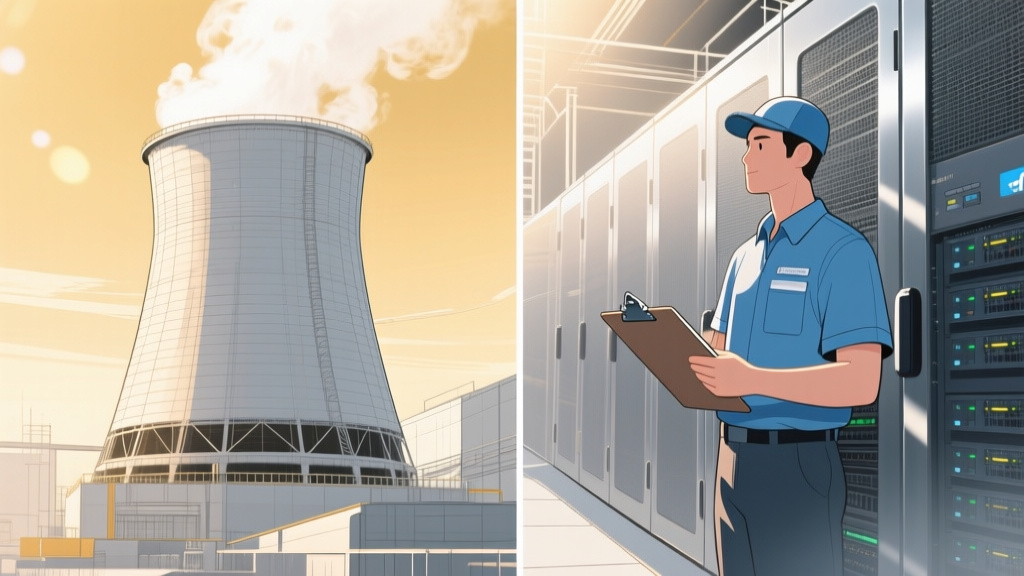
The real-world cost of cloud computing isn’t just measured in dollars📷 Published: Apr 6, 2026 at 22:33 UTC
The real-world cost of cloud computing isn’t just measured in dollars
The timing isn’t accidental. AI’s insatiable demand for data centers has turned sustainability from a PR checkbox into a material business risk. Microsoft’s $10B AI infrastructure spend last year didn’t come with a water-use disclosure. Google’s 2023 Environmental Report touts ‘water-positive’ goals but lacks facility-level data.
This transparency push exposes a broader tension: tech’s sustainability storytelling has outpaced its operational rigor. While Amazon’s 2022 sustainability bond framed data centers as ‘green,’ investors now want proof. The resolutions, though non-binding, signal that ESG activism is evolving from broad climate pledges to specific infrastructure demands.
The real bottleneck may not be the companies’ willingness to share data, but their ability to measure it at scale. Most data centers still rely on estimates for PUE (Power Usage Effectiveness), not real-time monitoring. If these resolutions pass, the industry’s first challenge won’t be disclosure—it’ll be building the systems to track what they’ve long ignored.