
Your Ad Data Is Now a Government Surveillance Tool
Your Ad Data Is Now a Government Surveillance Tool📷 Published: Mar 24, 2026 at 12:00 UTC
- ★CBP tracked phones via ad ecosystem
- ★Location data sold without warrants
- ★Ad industry enables government surveillance
That unsettling moment when an ad reveals too much about your life? It's not just creepy—it's become a surveillance mechanism. New reporting has confirmed what privacy advocates long suspected: government agencies are exploiting the internet advertising ecosystem to track people's locations without warrants.
Customs and Border Protection has been using location data harvested from the online ad industry to track phones, according to a report uncovered by 404 Media and documented by the Electronic Frontier Foundation. This isn't a rogue operation—it's a feature of how the adtech industry has operated for years. The same systems that serve you "more relevant ads" have created a massive, largely unregulated market for location data that federal law enforcement agencies are eager to buy.
The mechanism is simple but alarming. Advertisers bid in real-time to show you ads, and in that split-second auction, they receive detailed data about your device—including precise location. That data doesn't disappear after the ad loads. It gets aggregated, packaged, and sold by data brokers most consumers have never heard of. When agencies like CBP purchase this information, they're effectively bypassing the Fourth Amendment's warrant requirement. After all, you "consented" when you accepted that app's terms of service.

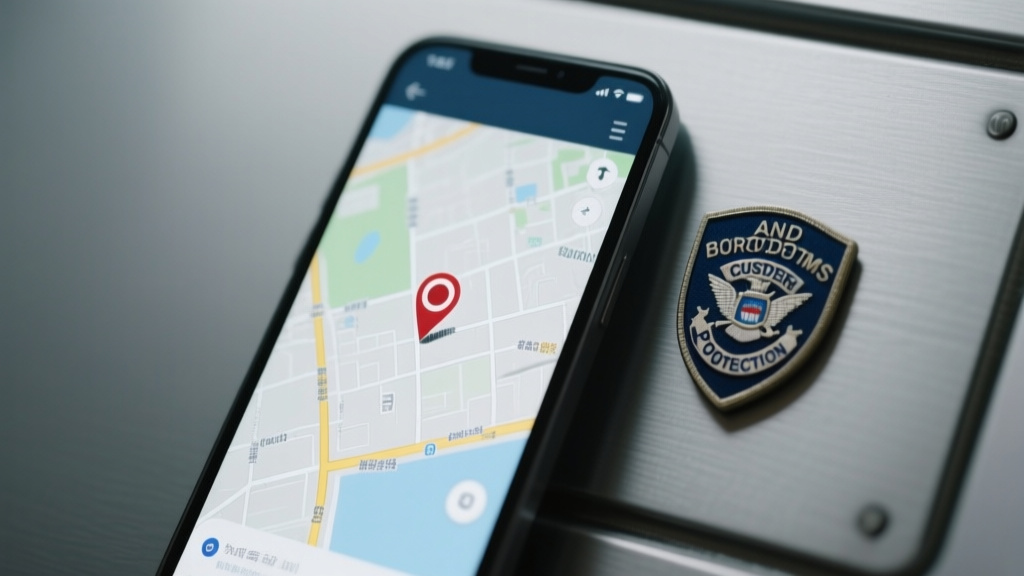
The hidden pipeline from targeted ads to law enforcement📷 Published: Mar 24, 2026 at 12:00 UTC
The hidden pipeline from targeted ads to law enforcement
This changes the calculus for anyone who assumed location tracking required either a warrant or sophisticated hacking. It doesn't. According to available information, the advertising industry's data collection apparatus has become a de facto surveillance infrastructure—one that government agencies can access with a credit card rather than court approval.
The practical impact on users is stark but easy to miss. Your phone's location isn't just being used to show you nearby restaurants. It's being stored, analyzed, and potentially accessed by agencies with law enforcement power. The Federal Trade Commission has started cracking down on problematic data broker practices, but the regulatory framework lags far behind the technology.
For the ad industry, this creates a significant reputational risk. Companies that profit from location data may find themselves in the crosshairs of privacy legislation they helped delay. The market context matters: data brokers operate in shadows, but their customers now include agencies with subpoena power. Some users are responding by disabling location services or using privacy-focused tools, but the ecosystem-level problem remains unsolved.