
OpenAI’s superapp: packaging or power move?
OpenAI’s superapp: packaging or power move?📷 Published: Apr 16, 2026 at 12:20 UTC
- ★ChatGPT, Codex, Atlas merged into one desktop app
- ★Internal memo cites simplification as key driver
- ★Microsoft Copilot and Google AI in the crosshairs
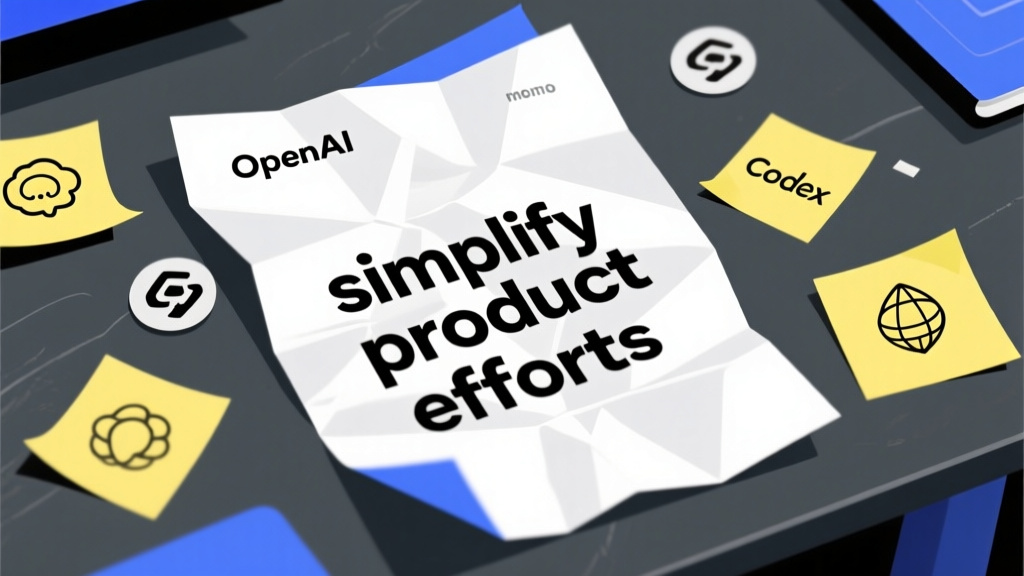
OpenAI is quietly assembling a desktop superapp that stitches together ChatGPT, the Codex coding assistant, and its AI-powered Atlas browser into a single interface. The Wall Street Journal reports the move comes via an internal memo, framing it as a bid to "simplify product efforts"—a phrase that usually translates to "we built too many things no one asked for." The consolidation isn’t just about tidying up a cluttered product line; it’s a direct response to the sprawling AI toolkits from Microsoft Copilot and Google Duet AI, both of which have spent the past year embedding generative AI into every corner of their ecosystems.
What’s actually new here? Not the underlying models—ChatGPT and Codex have been around for years—but the packaging. OpenAI’s fragmented tools have long forced users to juggle multiple apps, each with its own quirks and login flows. The superapp promises to eliminate that friction, but only if the integration is seamless. Early signals from developer forums suggest skepticism: will this be a unified experience, or just a tabbed browser window with three separate AI engines under the hood? The answer will determine whether this is a strategic pivot or just another entry in OpenAI’s long history of demo-driven development.
The timing is telling. OpenAI’s enterprise adoption has stalled in recent quarters, with competitors like Anthropic Claude and Mistral Le Chat carving out niches with specialized models. A superapp could help OpenAI regain mindshare, but only if it delivers more than the sum of its parts. Right now, the biggest unanswered question is whether users even want this—or if they’d prefer standalone tools that do one thing exceptionally well.

The gap between consolidation and actual user benefit📷 Published: Apr 16, 2026 at 12:20 UTC
The gap between consolidation and actual user benefit
Industry implications are already rippling outward. Microsoft, which has invested billions in OpenAI, now faces a potential competitor on its own turf: a unified AI interface that could rival Copilot’s integration with Windows and Office. Google, meanwhile, has spent years trying (and largely failing) to unify its own AI efforts under the Gemini brand. OpenAI’s move could force both companies to accelerate their own consolidation efforts—or risk ceding the desktop AI market to a single, streamlined alternative.
Developer reactions have been mixed. On GitHub, some engineers praise the potential for tighter workflows, while others warn that bundling tools could dilute their individual strengths. One Hacker News thread notes that Codex’s coding features were already being phased out in favor of GitHub Copilot, raising questions about what, exactly, will survive the merger. The real test will be whether OpenAI can avoid the fate of past superapps—like Microsoft’s ill-fated Windows Phone hubs—which promised convenience but delivered clutter.
For now, the superapp remains vaporware in the truest sense: no release date, no public demo, and no clarity on whether it will extend beyond desktop. What’s clear is that OpenAI is betting big on the idea that users prefer one app to rule them all—even if that app is just three existing tools duct-taped together. The real signal here isn’t the technology; it’s the admission that OpenAI’s product strategy has, until now, been a mess.
In other words, OpenAI has spent years building AI tools no one asked to be combined—now it’s charging us for the privilege of using them together. The hype cycle’s latest entry: a superapp that may or may not solve problems of OpenAI’s own making.