
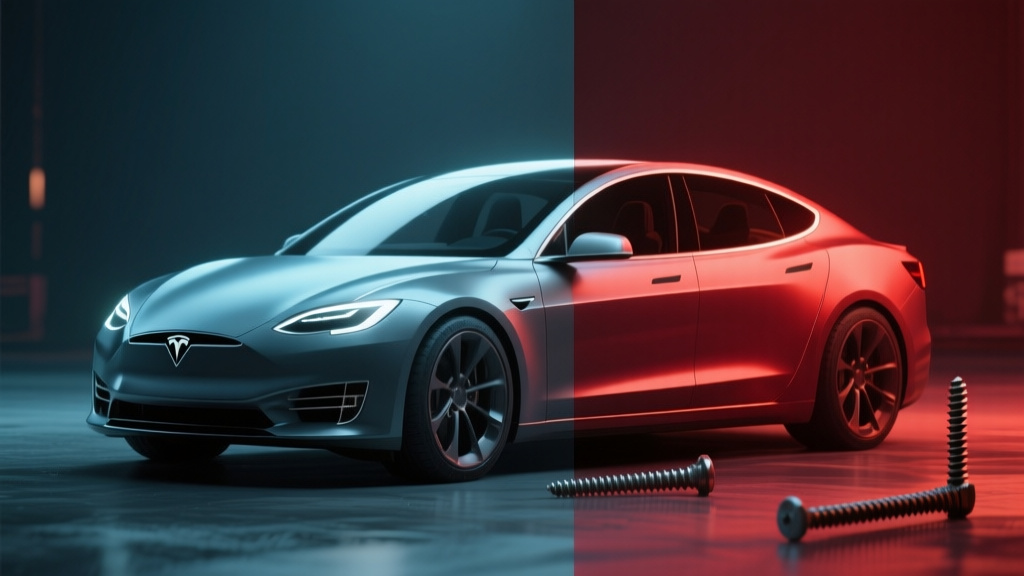
NHTSA tightens the screws on Tesla FSD📷 Published: Apr 17, 2026 at 24:25 UTC
- ★The probe targets poor visibility
- ★Warnings arrive when they matter most
- ★Cameras are carrying too much load
NHTSA is tightening the screws on Tesla FSD because camera-first autonomy keeps hitting the same wall: poor visibility. If the system cannot recognize quickly enough that it no longer sees clearly, the problem is not just the algorithm but the entire idea that one sensing stack can cover every road condition. That is where FSD stops being a marketing slogan and starts becoming a safety stress test.
The Verge says the probe focuses on rain, fog, and nighttime driving, while NHTSA is where those concerns turn into regulatory pressure. Tesla’s philosophy leans on cameras and software, but when conditions worsen, redundancy stops being a luxury and becomes the baseline for trust. At that point, the key question is not only what the car can do, but how safely it can admit, “I can no longer see well enough.”
This matters more than another public Tesla spat. If a driver-assist system delays a warning or never sends it, the line between helping the driver and shifting responsibility onto the driver gets blurry fast. That is why regulatory probes carry so much weight: they do not ask whether the feature is impressive, but whether it is stable enough to survive real traffic.
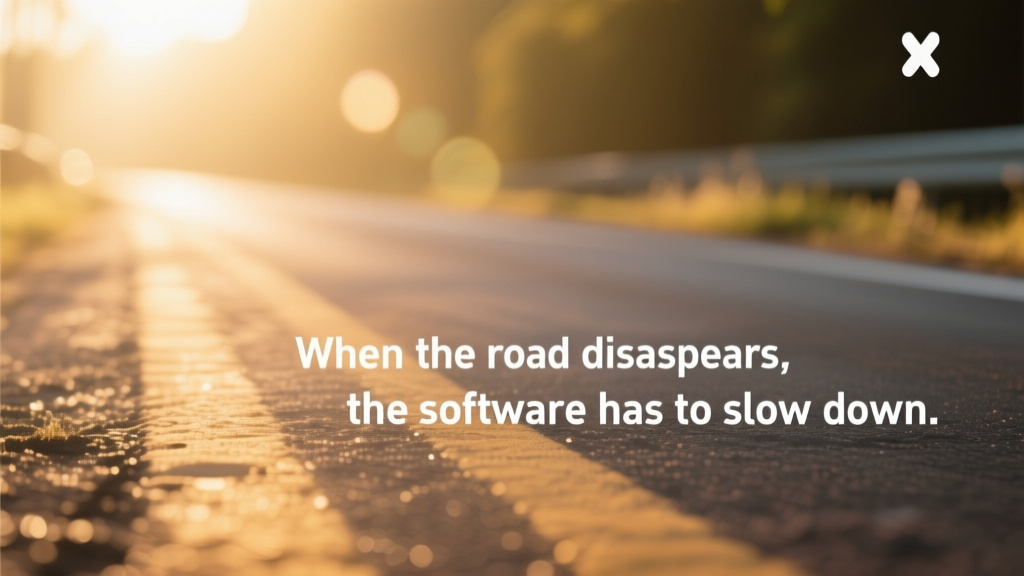
When the road disappears, the software has to slow down📷 Published: Apr 17, 2026 at 24:25 UTC
When the road disappears, the software has to slow down
Tesla still has to prove that a camera-only approach can be robust outside ideal demo conditions. That does not mean every other autonomy stack is automatically better, but it does mean the safety bar for “good enough” keeps rising. If FSD cannot slow down gracefully, warn clearly, and hand control back when conditions break, then autonomy starts to look more like belief than engineering.
The real signal is simple: the moment the road disappears into fog, any illusion that one camera is enough for everything should disappear too.
For developers and regulators, this investigation is a wake-up call. If FSD’s degradation detection is found lacking, it could accelerate demands for standardized safety benchmarks—ones that don’t rely on Tesla’s optimistic self-assessments. The real signal here? Autonomy isn’t a marketing problem; it’s an engineering one, and the bill is coming due.