
A heart digital twin saved the surgery, but raised a bigger question
A heart digital twin saved the surgery, but raised a bigger question📷 Published: Apr 17, 2026 at 24:21 UTC
- ★The digital twin functioned as a surgical rehearsal
- ★AI here supports planning, not autonomy
- ★Scaling is likely to be constrained by cost

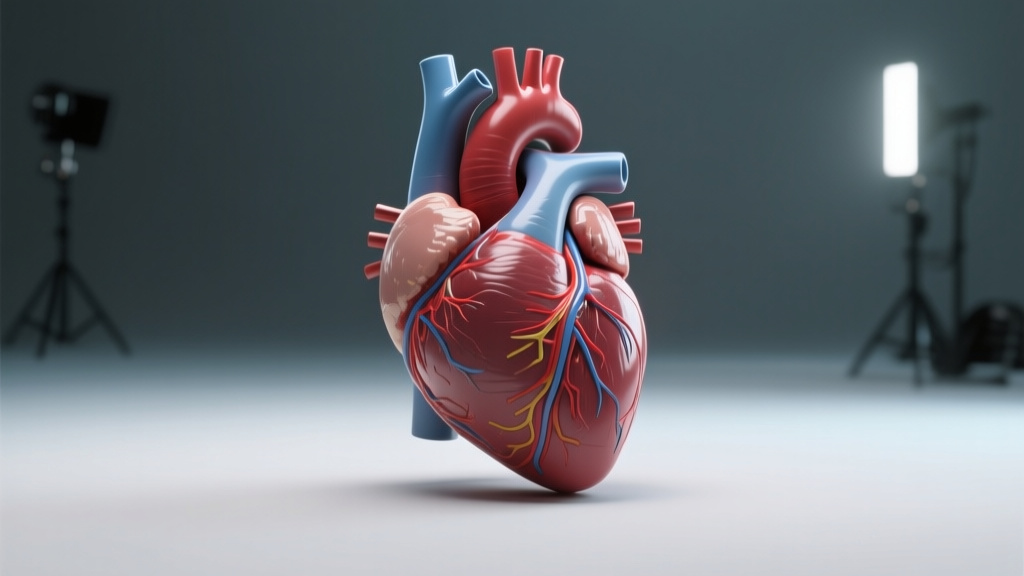
The digital twin of a child’s heart used at Boston Children’s Hospital sounds like the kind of story AI marketing teams dream about. The real story is better because it is less magical. Surgeons did not hand off the decision-making to a model. They used a patient-specific simulation to rehearse a dangerous procedure on the exact anatomy they were about to operate on, cutting down the amount of guesswork once the real surgery began.
That distinction matters. When people hear “AI success in medicine,” they often imagine an autonomous system outperforming doctors. This case is almost the opposite. The Living Heart Project and related simulation tools act as a planning layer, not a replacement for clinical judgment. In practical terms, AI and computational modelling are not pretending to be the surgeon. They are giving the surgeon a more expensive, more precise rehearsal room.
That is why the case deserves attention. In pediatric cardiac surgery, tiny anatomical differences can change the entire strategy. If a team can test multiple approaches, observe likely blood-flow dynamics, and identify the highest-risk steps on a virtual model before the first cut, that is more than a pretty rendering. It turns a one-shot high-risk intervention into a more deliberate sequence of decisions. IEEE Spectrum highlights exactly that shift as the most compelling current use of medical digital twins.
Precision medicine looks brilliant until the invoice arrives📷 Published: Apr 17, 2026 at 24:21 UTC
Precision medicine looks brilliant until the invoice arrives
The real signal, though, is not just that one surgery went well. It is that this level of preparation remains resource-intensive. For a digital twin to be clinically useful, hospitals need high-quality MRI and CT imaging, specialist software, serious compute, and teams that understand both medicine and modelling. This is not a five-click hospital app. It is an interdisciplinary workflow with a real cost structure attached to it.
That is why this story should be read as an early proof point, not evidence that personalized medicine has already scaled. Dassault Systèmes and academic partners have been pushing digital twins in healthcare for years, and similar ideas are emerging in oncology, orthopedics, and implant planning. But the path from flagship institutions to average hospitals is usually decided by budget, validation, and workflow integration rather than enthusiasm.
In other words, this is not a story about AI “solving” medicine. It is a story about precision becoming useful when the case is complex enough and the stakes are high enough. The hard part now is not proving that digital twins can help. It is proving that this kind of help can move beyond elite centres and become routine clinical infrastructure rather than a premium demonstration of what is possible.