
CS2 Reloads Are No Longer Routine📷 Published: Apr 16, 2026 at 20:36 UTC
- ★Reloading now carries visible cost
- ★Weapon balance and duel pacing both shift
- ★The real verdict will come from the meta

Valve has touched one of those Counter-Strike behaviors players stopped thinking about years ago. As Ars Technica notes, reloading in Counter-Strike 2 is no longer harmless housekeeping. If you reload, the leftover rounds are gone. That sounds small on paper, but in a game built on repetition and timing, small changes are exactly the ones that destabilize the meta fastest.
The real shift is not the animation. It is the cost of habit. The old “shoot, reload, move on” reflex now has a meaningful downside, which immediately changes pacing in close fights and reshapes how certain weapons feel. Shotguns, pistols, and eco-round choices all get reinterpreted when ammo conservation becomes part of the duel instead of background bookkeeping. Steam’s CS2 page may still present the same product identity, but changes like this rewrite how the game is actually lived from round to round.
Players are likely to feel that change before they can cleanly describe it. Some will call it a smart correction that rewards discipline. Others will say Valve is meddling with a fundamental rhythm that never needed fixing. Both reactions are fair, because this is not a simple buff-or-nerf story. It is a systems story about what happens when a long-trained reflex suddenly acquires a real penalty.

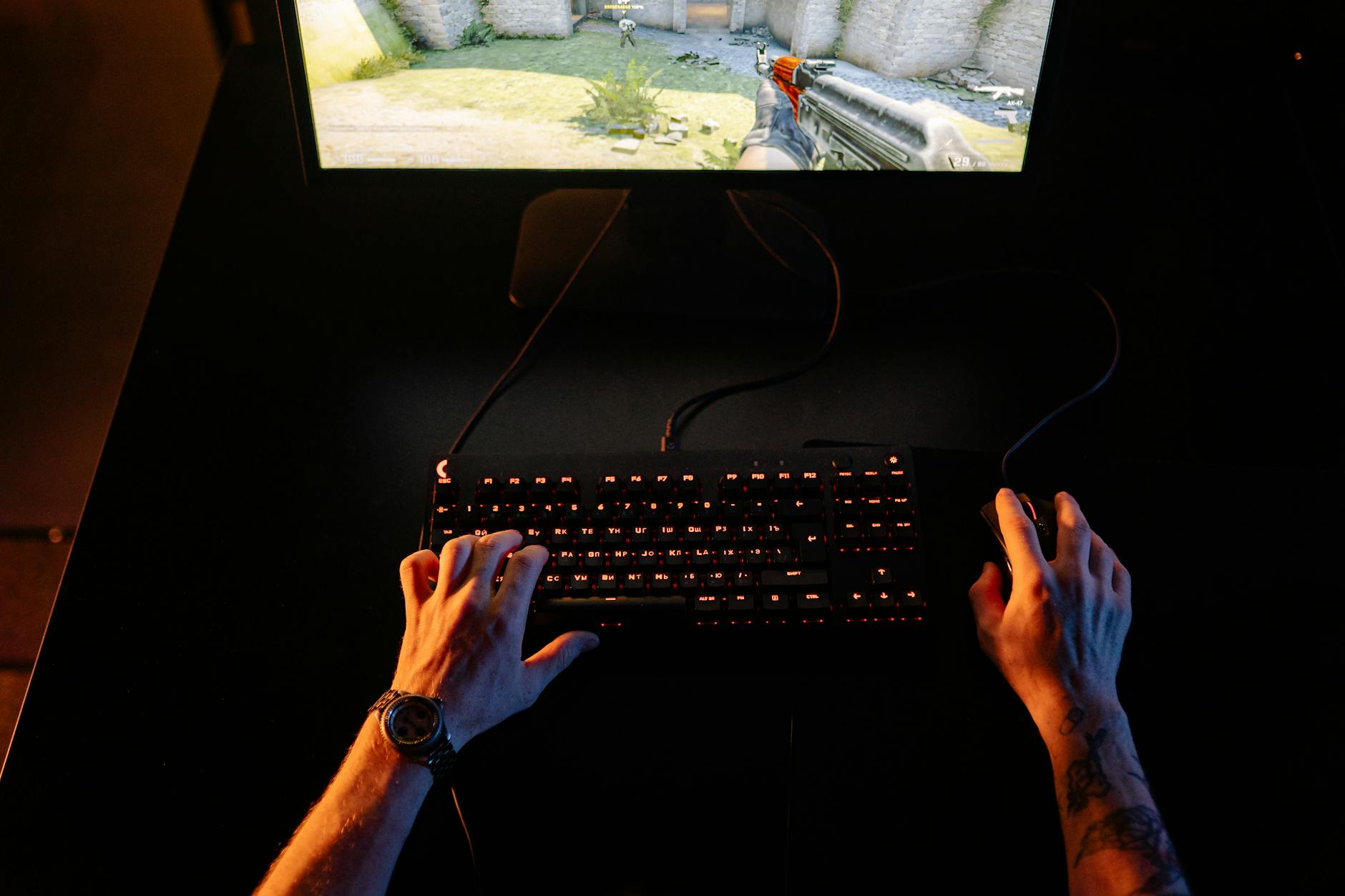
Pressing R is now a choice, not a reflex📷 Published: Apr 16, 2026 at 20:36 UTC
Pressing R is now a choice, not a reflex
That is why the most important question is what happens after the first week of novelty. If reloads become riskier, then spacing, cover, and team coordination gain more value. That sounds healthy for a tactical shooter, up to the point where one family of weapons starts benefiting too much. If certain shotgun pushes or pistol patterns gain disproportionate value, the community will surface that quickly. SteamDB can show population movement, but it cannot capture the exact moment players realize an old instinct now actively works against them.
Valve is doing something very Counter-Strike here: touching habit rather than just touching damage numbers. That is riskier, but also more interesting, because it changes the everyday feel of the game. The first week will be confusion, the second week will be complaints, and by the third someone will upload a clip explaining why the whole thing either broke the game or quietly improved it.
The point, then, is not whether the new reload is more realistic. The point is whether it produces smarter play or just more friction. In gaming, the patch note is only the opening statement. The community writes the real ruling in the matches that follow.