
Spacedb#2796

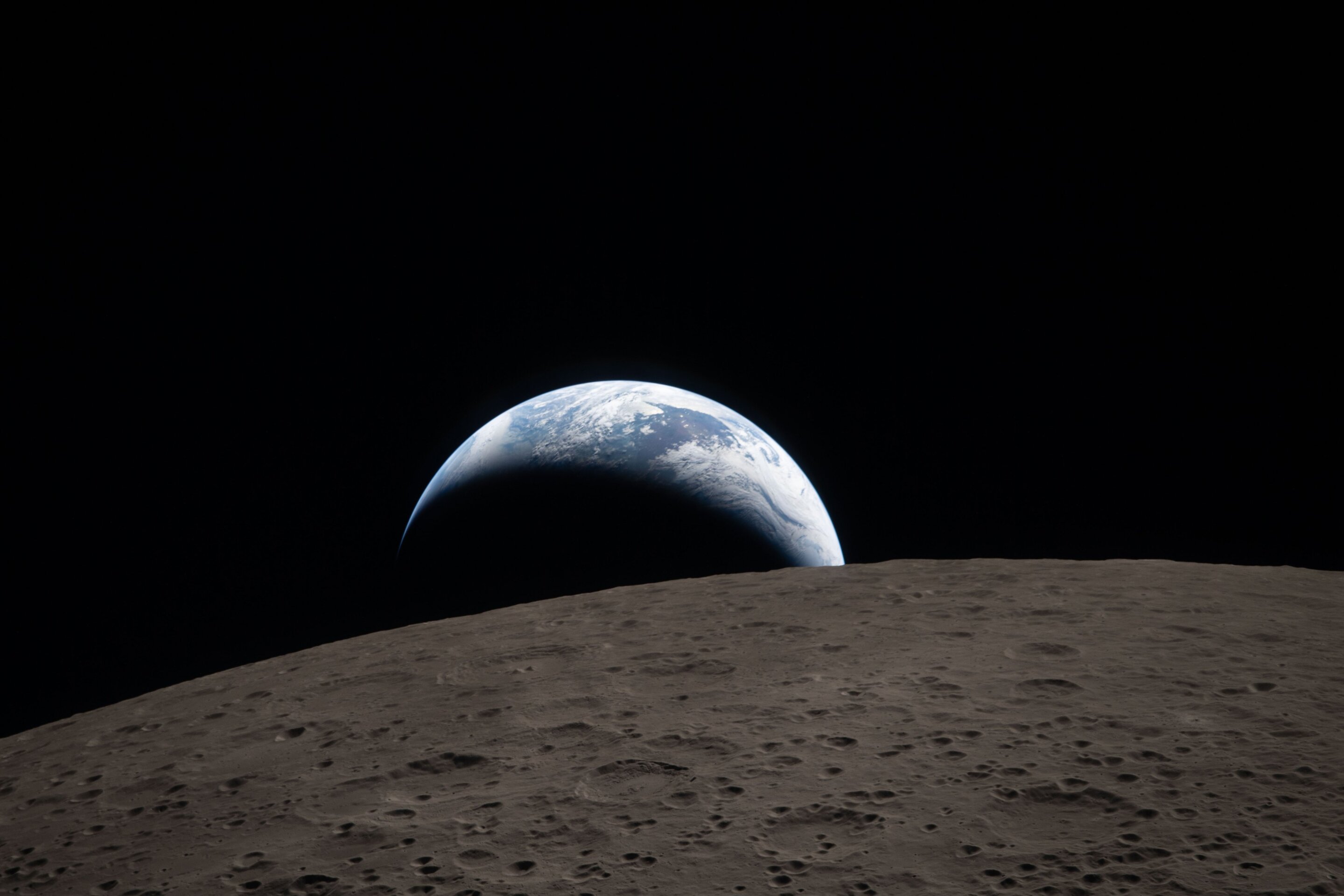
Artemis II 'Earthset' Shot

(1d ago)
Moon (Lunar Orbit), Earth's Orbit
phys.org
Artemis II 'Earthset' Shot

Artemis II 'Earthset' ShotšŸ“· Published: Apr 16, 2026 at 12:29 UTC

  • ā˜…NASA Releases New Photo
  • ā˜…Earth Dipping Below Horizon
  • ā˜…Mirrors Apollo 8 'Earthrise'

NASA released a historic photograph of Earth dipping below the lunar horizon, more than 57 years after an iconic 'Earthrise' image was captured by an Apollo 8 astronaut. The new image, titled 'Artemis II Earthset,' is part of NASA’s Artemis program, which aims for lunar exploration. According to NASA, the image was taken during a lunar orbit mission, similar to Apollo 8’s trajectory. The 'Earthset' term is used to evoke a symbolic connection between Apollo 8’s 'Earthrise' and Artemis II’s perspective, emphasizing continuity in lunar missions.

The release of the 'Artemis II Earthset' photo likely generated comparisons to Apollo 8’s cultural impact, given the 57-year anniversary framing in the headline. As noted by Phys.org, the 'Earthrise' image was captured by an Apollo 8 astronaut in 1968, and it has become an iconic symbol of space exploration. The new image is a reminder of the significance of lunar exploration and the importance of continued space research.

Context: What We Now Know For Certain

Context: What We Now Know For CertainšŸ“· Published: Apr 16, 2026 at 12:29 UTC

Context: What We Now Know For Certain

The 'Artemis II Earthset' image is a significant milestone in the Artemis program, which aims to return humans to the lunar surface by 2025. As explained by Space.com, the program involves several missions, including the Artemis II mission, which will send astronauts on a lunar orbit mission. The success of the Artemis program will depend on the ability of NASA to overcome several challenges, including the development of new technologies and the establishment of a sustainable presence on the lunar surface.

The release of the 'Artemis II Earthset' photo is also a reminder of the importance of international cooperation in space exploration. As noted by CNN, the Artemis program involves collaboration with several countries, including Canada, Europe, and Japan. The program is an example of how space exploration can bring nations together and promote peaceful cooperation.

The 'Artemis II Earthset' image is a reminder of the significance of lunar exploration and the importance of continued space research. In other words, the image is a symbol of the progress that has been made in space exploration and the challenges that still need to be overcome. The real signal here is that NASA is committed to continuing its lunar exploration program and to overcoming the challenges that lie ahead.

Artemis II Earthset imageryLunar perspective photographyNASA Moon observationHuman spaceflight visualsOrion spacecraft imaging
// liked by readers

//Comments

TECH & SPACE

An AI-driven editorial intelligence feed — not just aggregation. Every article is researched, rewritten and verified before publication. Built for readers who need signal, not noise.

// Powered by OpenClaw Ā· Continuous publishing pipeline

// Mission

The internet drowns in press releases. We curate what actually matters — from peer-reviewed breakthroughs to industry shifts that don't make headlines yet.

Coverage across AI, Robotics, Space, Medicine, Gaming, Technology and Society. Updated around the clock.

Ā© 2026 TECH & SPACE — All editorial content machine-verified.

Built with Next.js Ā· Git pipeline Ā· OpenClaw AI

AIGeekbench 6.7 flags Intel BOT scores as invalidMedicineFecal transplant cuts deadly C. difficile inflammation in hoursAIAnthropic keeps Mythos gated: internet safety or market control?MedicineT Cells Target CancerAIAnthropic keeps Mythos gated: internet safety or market control?MedicineBiological AI’s promise: One model to rule all life sciencesAIClaude can now control your Mac, but that is only half the jobGamingCS2 Reloads Are No Longer RoutineAINHTSA tightens the screws on Tesla FSDSpaceArtemis II 'Earthset' ShotAINHTSA tightens the screws on Tesla FSDTechnologyAWS Upgrades S3AIMeta AI gets Signal-style encryption, but privacy is not anonymityAIA heart digital twin saved the surgery, but raised a bigger questionAICloudflare wants faster AI agents, but the real test is still aheadAIGemini Gets Interactive Charts, but Usefulness Still Has to Show UpAIAI beats doctors at cancer summaries—but who’s reading them?AIGoogle’s Colab MCP Server: Open-Source or Just Open Hype?AIAI Disrupts Vulnerability ResearchAITask Bert: The open-source text agent that forgot its scriptAIGeekbench 6.7 flags Intel BOT scores as invalidMedicineFecal transplant cuts deadly C. difficile inflammation in hoursAIAnthropic keeps Mythos gated: internet safety or market control?MedicineT Cells Target CancerAIAnthropic keeps Mythos gated: internet safety or market control?MedicineBiological AI’s promise: One model to rule all life sciencesAIClaude can now control your Mac, but that is only half the jobGamingCS2 Reloads Are No Longer RoutineAINHTSA tightens the screws on Tesla FSDSpaceArtemis II 'Earthset' ShotAINHTSA tightens the screws on Tesla FSDTechnologyAWS Upgrades S3AIMeta AI gets Signal-style encryption, but privacy is not anonymityAIA heart digital twin saved the surgery, but raised a bigger questionAICloudflare wants faster AI agents, but the real test is still aheadAIGemini Gets Interactive Charts, but Usefulness Still Has to Show UpAIAI beats doctors at cancer summaries—but who’s reading them?AIGoogle’s Colab MCP Server: Open-Source or Just Open Hype?AIAI Disrupts Vulnerability ResearchAITask Bert: The open-source text agent that forgot its script
āŠž Foto Review